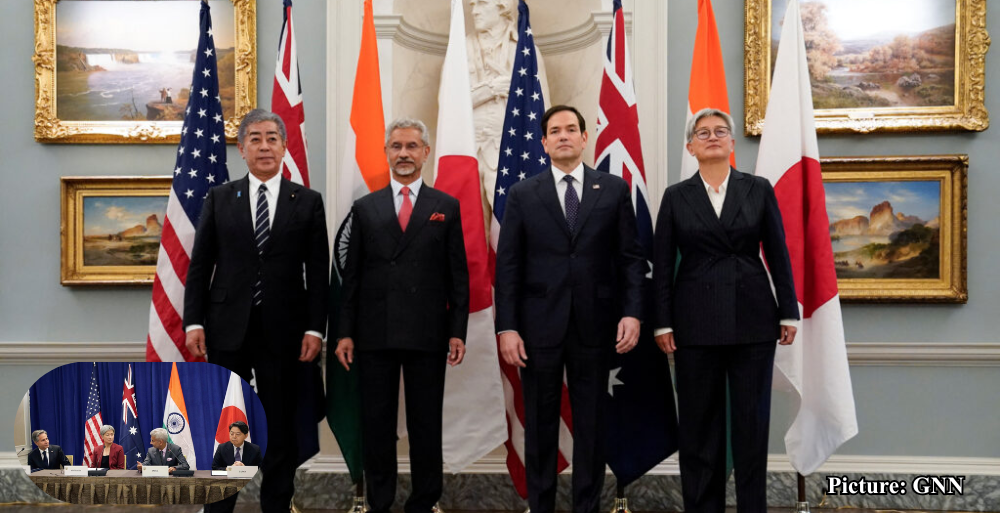
As U.S. Secretary of State Marco Rubio prepares to attend a Quad foreign ministers meeting in India, concerns arise regarding the future of the Quad alliance and the implications of President Trump’s apparent disengagement from the Indo-Pacific region.
NEW DELHI – U.S. Secretary of State Marco Rubio is set to travel to India later this month for a key meeting of the Quad foreign ministers, which includes representatives from Australia, Japan, and India. This diplomatic engagement follows a notable absence of U.S. leadership in the Quad during India’s tenure as chair in 2024, raising questions about the objectives of Rubio’s visit and the state of U.S.-India relations.
The backdrop to this meeting includes strained ties between India and the United States, particularly following Prime Minister Narendra Modi’s reluctance to support President Trump’s claim of having facilitated a resolution to ongoing tensions between India and Pakistan. The friction has been exacerbated by issues such as trade disputes, tariff disagreements, and delays in advancing a long-anticipated trade deal. Such tensions may have contributed to an overall cooling of relations between the two nations.
Despite these concerns, it has been reported that there were eight phone conversations between Trump and Modi last year, alongside at least three discussions in 2023. Additionally, U.S. Ambassador to India, Sergio Gor, who assumed office in January, has been actively involved in fostering bilateral ties, suggesting a continuing, albeit complex, diplomatic relationship.
Current Challenges Facing the Quad
Brigadier Arun Sahgal, a strategic analyst at the Forum for Security Initiatives, suggests that the Quad is currently “comatose” due to the U.S. being preoccupied with military engagements in the Persian Gulf. This assertion highlights concerns regarding the U.S. commitment to the Indo-Pacific region, especially considering that the Quad was initially revitalized under Trump in 2017 as a counterbalance to China’s growing influence in the area.
Critiques of U.S. engagement with the Quad have emerged, particularly regarding expectations for new defense agreements. A senior former diplomat noted that while the transfer of GE-404/414 engine technology is expected to proceed, more advanced technology transfers are likely to be constrained by Trump’s cautious stance on sharing sensitive U.S. technologies. This could hinder the Quad’s potential to enhance collective security among its member nations.
The Future of the Quad Alliance
The upcoming Quad summit in Queensland, Australia, scheduled for later this year, presents a pivotal moment for the alliance. An analysis published by Foreign Affairs has warned that the Quad may be on the brink of extinction, stressing that its survival could be jeopardized if it endures another two and a half years under Trump’s leadership. The article emphasizes that if Trump opts to skip this summit, it might lead to a significant diminishment of the Quad’s geopolitical relevance and effectiveness.
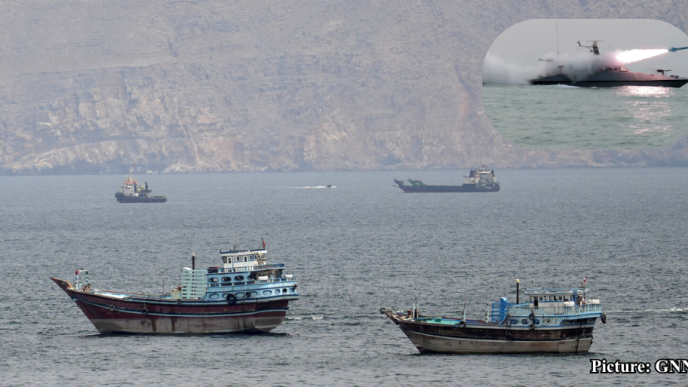
Adding to the complexity of this situation, Trump has publicly expressed dissatisfaction with Australian Prime Minister Anthony Albanese, alleging that Australia did not support U.S. efforts in the Strait of Hormuz, a claim Albanese has refuted, stating that there was no formal U.S. request for Australia to join any naval coalition. This ongoing diplomatic dispute further complicates the operational dynamics of the Quad.
Analysts like Sourabh Gupta from the Institute for China-America Studies have voiced skepticism regarding the efficacy of the Quad’s initiatives, suggesting that “the outcomes in practice will not be worth the paper on which they are written. This is more farce than tragedy.” Such sentiments reflect a growing concern that without robust U.S. leadership, the Quad’s proposals may lack substance and fail to deliver meaningful impact.
Geopolitical Implications and Strategic Importance
As the Quad foreign ministers’ meeting approaches, the geopolitical landscape remains uncertain. The alliance’s ability to navigate internal tensions and external pressures, particularly from China, will be critical in determining its future viability. With India and Australia holding significant stakes in the success of the Quad, the need for strong diplomatic engagement has never been clearer.
China’s increasing assertiveness in the Indo-Pacific has compelled nations in the region to seek stronger multilateral partnerships as a counterbalance. The Quad, initially envisioned as a coalition to address shared security concerns, must reassess its strategic priorities and operational frameworks in light of changing geopolitical dynamics.
In conclusion, the upcoming meeting in India may serve as a litmus test for the Quad’s future. As stakeholders await clarity on U.S. intentions and involvement, the resilience of the alliance will be put to the test amid shifting global dynamics. The outcomes of this meeting could significantly influence the Quad’s trajectory and its ability to respond to emerging challenges in the Indo-Pacific.