US President Donald Trump expresses optimism that the conflict with Iran may soon resolve, as Tehran reviews a 14-point US proposal intended to guide nuclear negotiations.
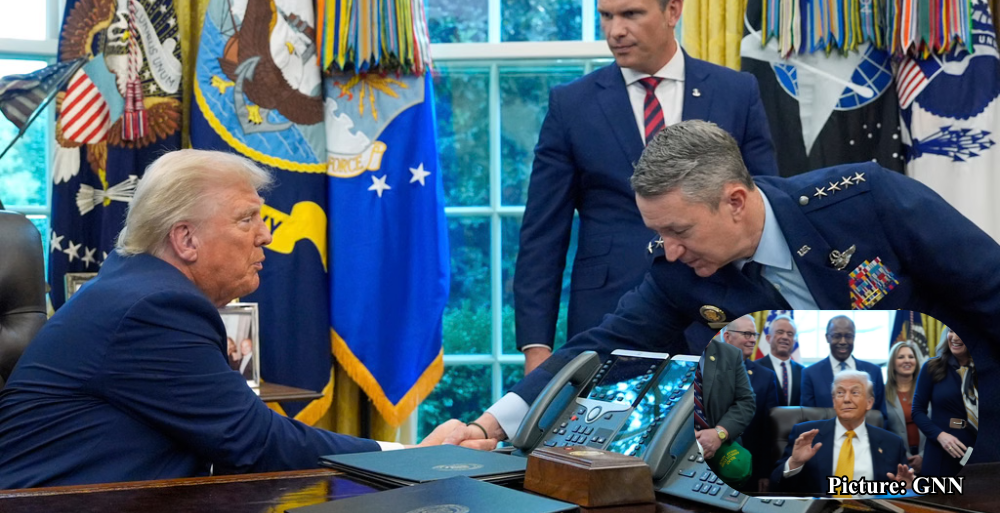
US President Donald Trump conveyed optimism regarding the rapid conclusion of hostilities with Iran during a virtual campaign event on Wednesday. His remarks come as Iran considers a US proposal aimed at addressing its nuclear ambitions. The ongoing discussions are framed within the context of a reported 14-point memorandum of understanding, which may provide a framework for future negotiations.
According to a report by Axios, the White House is nearing an agreement with Iran that includes key provisions such as a suspension of Iranian nuclear enrichment, the lifting of sanctions, and the restoration of free transit through the crucial Strait of Hormuz. However, a senior Iranian parliament member dismissed the proposal as a mere “wish list.” The Iranian Foreign Ministry spokesperson, Esmail Baghaei, indicated that Iran is reviewing the US proposal and will communicate its views through Pakistani mediators.
Context of the Negotiations
The diplomatic engagement between the United States and Iran has a complex history, influenced heavily by Iran’s nuclear program and the geopolitical dynamics of the Middle East. The tensions escalated in recent months, particularly following the US withdrawal from the Joint Comprehensive Plan of Action (JCPOA) in 2018 and the subsequent re-imposition of sanctions on Iran. The situation in the region has been further complicated by military actions, including US airstrikes and Iranian retaliatory strikes.
Pakistan’s Foreign Minister has stated that the country is working to transform the current ceasefire into a permanent resolution of the conflict. This diplomatic role underscores Pakistan’s position as a mediator in the region, aiming to stabilize relations between the US and Iran.
Trump’s Statements on the Conflict
During his address to Republican supporters in Georgia, Trump asserted that most Americans recognize the necessity of preventing Iran from acquiring nuclear weapons. He expressed confidence that the conflict could conclude swiftly, claiming that recent discussions with Iran have been favorable. Trump emphasized that any short-term suffering caused by rising fuel prices for Americans would ultimately lead to a more stable situation.
Earlier, Iranian officials reiterated their position regarding the US proposal. Ebrahim Rezaei, spokesperson for the Iranian Parliament’s national security and foreign policy commission, stated that the US would not achieve success through military action, suggesting that face-to-face negotiations would yield better outcomes. He cautioned that Iran is prepared to respond decisively if the US does not make the necessary concessions.
Military Implications and Regional Dynamics
Trump has also warned of potential military escalation, indicating that if an agreement is not reached, the US would respond with increased military action. He stated on his Truth Social platform that “the bombing starts” should Iran fail to engage constructively in negotiations. This rhetoric reflects the heightened tensions and the precarious balance of power in the region.
Moreover, Trump claimed that Operation Epic Fury, a US-Israeli military initiative targeting Iran, would conclude contingent upon Iran’s compliance with the proposed terms. However, the specifics of this operation remain unclear, and Iranian military responses have included threats of retaliation against US actions in the region.
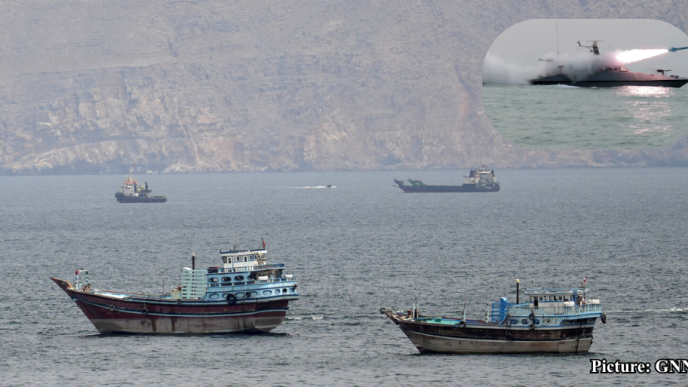
The Strait of Hormuz has emerged as a focal point in these discussions, as it is a vital passageway for a significant portion of the world’s oil supply. The US has imposed restrictions on Iranian ports, and military engagements in the Gulf have continued to escalate, with the US Central Command reporting actions taken against Iranian vessels attempting to circumvent blockades.
Israel’s Role and the Continuing Conflict
Israeli Prime Minister Benjamin Netanyahu has affirmed his government’s alignment with Trump’s approach to Iran. He stated that there is “full coordination” between Israel and the US regarding strategic goals, including the dismantling of Iran’s nuclear capabilities. Despite the ceasefire that was established in early April, tensions have persisted, exemplified by recent Israeli airstrikes in Lebanon targeting Hezbollah positions, a group that has historically received support from Iran.
The ongoing military exchanges between Israel and Hezbollah raise questions about the stability of the ceasefire and the broader implications for regional security. Both sides have accused each other of violating the terms of the ceasefire, further complicating the potential for lasting peace in the area.
In summary, the situation remains fluid as diplomatic efforts continue, with significant implications for US-Iran relations and the geopolitical landscape of the Middle East. The outcome of these negotiations could reshape the strategic dynamics in the region, particularly regarding nuclear proliferation and military engagement.