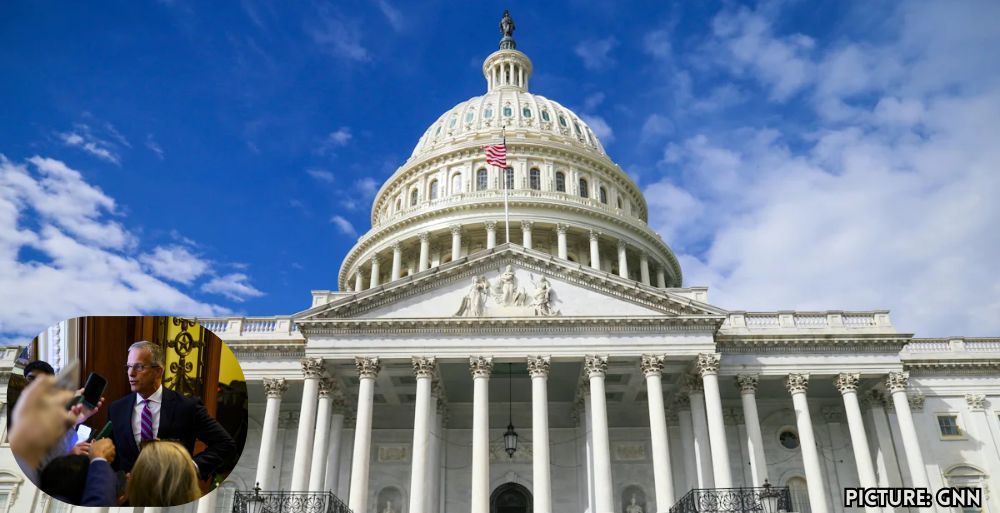
The Senate’s recent failure to advance the Clarity Act underscores the ongoing partisan divisions regarding cryptocurrency regulation, complicating the push for a coherent regulatory framework in the rapidly evolving digital asset market.
WASHINGTON, D.C. — A pivotal piece of legislation aimed at establishing a regulatory framework for the cryptocurrency industry, known as the Clarity Act, was blocked in the U.S. Senate on Tuesday. The procedural vote resulted in a narrow 49-50 outcome, falling short of the 60 votes required to proceed. This legislative setback represents a significant obstacle for an industry that has been advocating for clear regulatory guidelines for several years.
The Clarity Act was designed to provide a structured approach to cryptocurrency regulation, a sector that has been growing rapidly and has often been criticized for its lack of oversight. However, the vote’s outcome reflects deepening political divisions, with all Democrats and four Republican senators—Susan Collins (Maine), Josh Hawley (Missouri), Jerry Moran (Kansas), and Thom Tillis (North Carolina)—voting against the motion to advance the bill. The bipartisan dissent highlights the complexities and challenges lawmakers face as they attempt to navigate the intricacies of regulating a fast-evolving financial landscape.
Last-Minute Negotiations Fail to Yield Consensus
The failed vote came after extensive last-minute negotiations between Senate Republicans and a contingent of crypto-friendly Democrats. Initially, about a dozen Democrats were seen as potential supporters of the Clarity Act. However, their support evaporated due to unresolved concerns over ethical provisions, particularly in light of ongoing scrutiny regarding former President Donald Trump’s connections to the cryptocurrency industry.
Senator Cynthia Lummis (R-Wyoming), a prominent advocate for the Clarity Act, expressed frustration with her Democratic colleagues. “This vote proved they were never truly serious about protecting consumers and preserving American leadership,” she stated in a post-vote commentary. Lummis emphasized that she had engaged in good faith discussions, only to be met with what she described as “moving the goal posts” once Republicans made concessions on the bill.
Republicans’ Final Offer and Democratic Concerns
In an effort to bridge the gap, Senate Republicans presented what they termed their “last, best and final offer” just days before the vote. This updated proposal included revisions to the ethics provisions that had been a central point of contention. The revised bill sought to enhance existing language that would prevent public officials, including the president, from issuing or sponsoring cryptocurrency assets. Initially, enforcement of these provisions was limited to the Department of Justice (DOJ), but following pushback from Democrats, the revised proposal expanded this authority to include state attorneys general. This allowed for greater oversight and enforcement capabilities against crypto exchanges and potential regulatory breaches.
Despite these adjustments, many Democrats remained unconvinced. Senator Raphael Warnock (D-Georgia) articulated concerns over “a whole lot of loopholes” in the newly proposed ethics language. “Democrats should not advance a bill that does not adequately address the Trump family’s approach to this, where they’re clearly focused on enriching themselves,” Warnock stated, indicating that ethical considerations were paramount for Democratic legislators.
Political Dynamics at Play
Senator Ruben Gallego (D-Arizona), a key figure in the negotiations, criticized Republican leadership for prematurely terminating discussions and forcing a vote. “This legislation failed squarely because Republicans refuse to say no to the president,” Gallego asserted, emphasizing the importance of bipartisan collaboration to craft a bill that incorporates robust ethical standards.
The failed vote not only highlights the contentious political climate surrounding cryptocurrency regulation but also reflects broader concerns regarding governance and ethics in financial markets. As digital currencies continue to proliferate, the urgency for comprehensive regulation becomes increasingly evident. Industry advocates argue that effective regulation can foster innovation, protect consumers, and maintain the United States’ competitive standing in the global financial system.
Broader Implications for Cryptocurrency Regulation
The Clarity Act’s demise raises critical questions about the future of cryptocurrency regulation in the United States. The inability to reach a consensus on regulatory standards has potential implications for how the industry operates, as well as for consumer protection and market integrity. Without a clear legal framework, the cryptocurrency market may remain vulnerable to fraud and volatility, which could undermine confidence among investors and consumers alike.
Furthermore, the divisions within Congress reflect a growing tension regarding the regulation of emerging technologies and financial innovations, a challenge that lawmakers will need to address moving forward. As discussions surrounding cryptocurrency regulation evolve, stakeholders in the cryptocurrency market will be closely monitoring Congress for signs of renewed efforts to address regulatory concerns in a manner that balances ethical considerations with the demands of an increasingly dynamic technological landscape.
Looking Forward
The Senate’s failure to advance the Clarity Act signifies a critical moment for cryptocurrency regulation in the United States. As lawmakers reassess their strategies, the implications for the industry remain uncertain. Both supporters and detractors of the legislation will likely continue to advocate for their positions as discussions surrounding the future of cryptocurrency regulation unfold. The path forward will require a cooperative approach to ensure that the regulatory framework not only addresses existing concerns but also fosters innovation and growth in this rapidly changing sector.