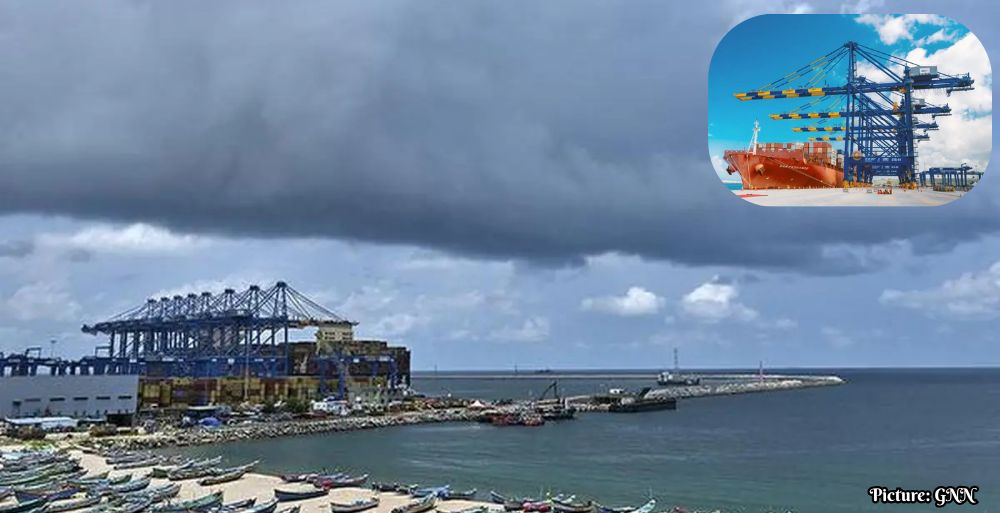
Vizhinjam International Seaport is set to commence full-fledged export-import cargo operations on August 18, transitioning from a transhipment hub to a vital gateway for India’s international trade.
VIZHINJAM, Kerala – The Vizhinjam International Seaport is on the brink of a significant operational transformation with the launch of its gateway export-import (EXIM) cargo operations scheduled for August 18. Chief Minister V.D. Satheesan will inaugurate this essential milestone, marking a pivotal moment in the port’s evolution from an exclusive international transhipment hub to a comprehensive maritime logistics center.
Since its inception, Vizhinjam has primarily operated as a transshipping point where cargo containers are transferred between large mother vessels and smaller feeder ships. The introduction of EXIM operations will allow the port to handle cargo directly linked to Indian importers and exporters, thereby expanding its commercial footprint in the nation’s maritime sector. This development is expected to enhance trade connectivity for businesses in Kerala and neighboring regions, facilitating direct access to international shipping services.
Operational Framework for Gateway Operations
The Commissioner of Customs (Preventive) in Kochi has outlined a detailed operational framework to govern the launch of EXIM cargo operations. This public notice includes essential statutory procedures, customs regulations, and operational protocols that stakeholders such as shipping lines, exporters, importers, customs brokers, terminal operators, and logistics service providers must adhere to. The structured guidelines aim to ensure smooth operations and compliance with national regulations.
In the initial phase, the port will implement several limitations on its cargo handling capabilities. Imports will be restricted to Direct Port Delivery (DPD) of Full Container Load (FCL) containers, necessitating that importers transport their cargo directly from the terminal to their facilities within a 48-hour window. During this initial rollout, Less than Container Load (LCL) cargo and any containers requiring de-stuffing or customs examination will not be permitted. Similarly, exports will be confined to Direct Port Entry (DPE) for factory-stuffed, self-sealed, or Customs-sealed FCL containers, with no acceptance of loose cargo that requires additional handling until further infrastructure is developed.
The operational guidelines also permit road transshipment of containerized cargo between Vizhinjam and Inland Container Depots (ICDs), Special Economic Zones (SEZs), Land Customs Stations, and other designated Customs stations, in accordance with the Sea Cargo Manifest and Transhipment Regulations (SCMTR) established in 2018. To facilitate efficient processing, all stakeholders are required to conduct cargo documentation electronically via the ICEGATE platform, adhering to the SCMTR framework.
Historical Significance of the Launch
The commencement of EXIM operations represents one of the most significant commercial milestones for Vizhinjam since its commissioning. This strategic shift aims not only to bolster its existing transhipment services but also to establish the port as a critical maritime logistics hub. As Vizhinjam enhances its operational capabilities, it is anticipated that the port will play a vital role in solidifying Kerala’s position on the global shipping map, thereby contributing to the state’s economic development through enhanced trade facilitation.
The inauguration also carries symbolic significance as it marks the third time a Chief Minister has presided over a critical phase of the Vizhinjam project. Chief Minister V.D. Satheesan follows the footsteps of his predecessors, Oommen Chandy and Pinarayi Vijayan, who were instrumental at various stages of the project. Chandy’s administration oversaw the initial implementation phase, while Vijayan’s government completed the port’s construction and its commissioning as an international transhipment hub.
Future Implications and Development Goals
As Vizhinjam prepares to embark on this new chapter, the focus will shift towards establishing the necessary infrastructure and operational efficiencies to support its expanded role in international trade. Stakeholders in the maritime sector view this transition as a critical opportunity to foster economic growth in Kerala, potentially leading to increased job creation and enhanced trade flows.
Moreover, the successful execution of gateway EXIM operations could serve as a model for other ports in India looking to increase their capacity for direct import-export handling. The effective management of this transition will be crucial in demonstrating the port’s capabilities and reliability as a key player in the global shipping industry.
In summary, the launch of gateway EXIM operations at Vizhinjam International Seaport is a watershed moment that is set to reshape the maritime landscape of Kerala. As businesses and stakeholders align with the new operational framework, the port aims to become a cornerstone of international trade for the region, with aspirations to enhance its competitive edge in the global market.