A Republican lawmaker has introduced a bill aiming to significantly reform the H-1B visa program, imposing stricter hiring requirements and higher wage thresholds that could have far-reaching implications for foreign technology workers, particularly from India.
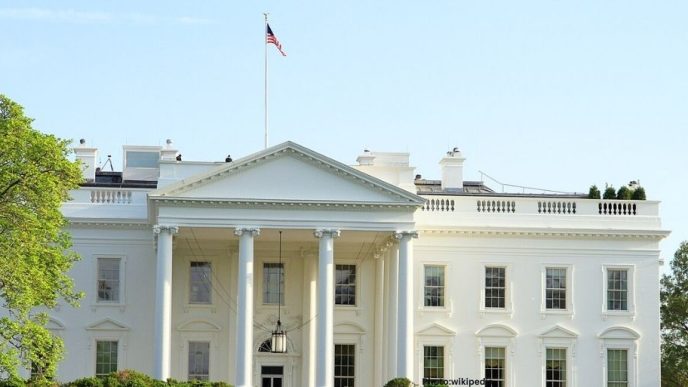
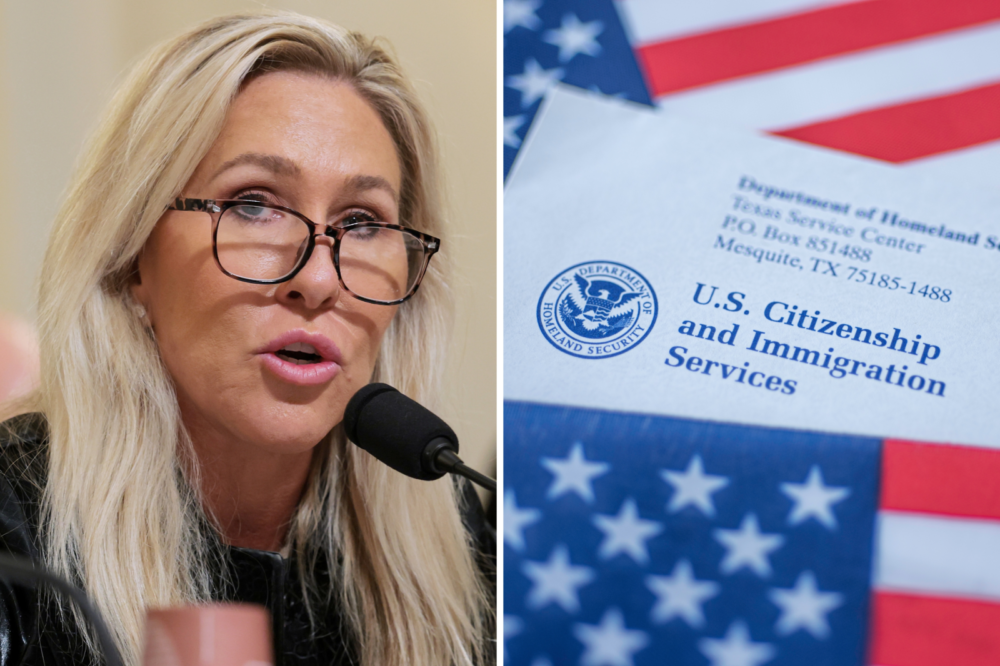
In a significant move, Congressman Chip Roy, a Republican from Texas, has introduced legislation in the U.S. House of Representatives that seeks to overhaul the H-1B visa program, which is widely utilized by technology companies to hire foreign professionals. The bill, titled the ‘American White-Collar Worker Jobs Act of 2026’, proposes stringent changes that could reshape the landscape for foreign workers and their employers.
Key Provisions of the Bill
Among the most contentious aspects of the proposed legislation is a provision that requires H-1B visa applicants to maintain a residence abroad with ‘no intention of abandoning it’. This language effectively discards the long-standing ‘dual intent’ doctrine. This doctrine has permitted H-1B visa holders to apply for permanent residency while working in the U.S., a pathway that many have relied upon for years.
According to immigration experts, the proposal could make the traditional H-1B to green card transition nearly impossible. An expert from a global conglomerate remarked, “The practical takeaway is simple: the traditional H-1B to green card pathway would become arguably impossible under the bill, as it is currently drafted.” This shift raises concerns not only for current visa holders but also for new applicants looking to secure their future in the U.S.
Impact on Green Card Processing
A recent policy memo had already shifted the green card application process, encouraging foreign nationals to apply through consular processing from their home countries instead of adjusting their status while in the U.S. This memo, however, did not eliminate the dual intent for holders of visas such as H-1B and L. Instead, it established a more discretionary adjudication framework where applicants might need to justify their status adjustment applications.
In contrast, Roy’s bill explicitly abolishes the dual intent provision, which has been a fundamental aspect of the H-1B visa program.
Rationale Behind the Bill
In his statement, Congressman Roy articulated a vision for the bill, saying, “For nearly four decades, the H-1B visa program has been abused, allowing employers to routinely sideline American STEM workers in favor of cheap foreign labor while masking layoffs and wage suppression as labor shortages. It is time to end this lottery-based pipeline and replace it with a system that prioritizes merit, enforces meaningful wage standards, and puts American white-collar workers first.” This assertion reflects a broader sentiment among some lawmakers who argue that foreign visa programs disadvantage American workers.
Proposed Changes to Employment Conditions
The legislation sets forth several critical requirements for employers seeking to hire H-1B workers. Employers would need to pay H-1B employees either the actual wage of similarly qualified American workers or a wage determined by the Department of Labor at the 75th percentile for that occupation and geographic area, whichever is higher. Furthermore, companies would have to certify that there are no qualified U.S. workers available, advertise the job on a government-run platform, and prioritize equally or better-qualified American candidates for the position before sponsoring a foreign applicant.
Additionally, the bill proposes a cap on the percentage of non-immigrant workers in a company’s workforce at 5% and would prohibit layoffs of U.S. workers in the same job classification within one year of filing an H-1B application. The maximum duration of H-1B visas would be reduced from six years to two years, and visas would be allocated based on salary levels rather than the current lottery system.
Implications for Indian Technology Workers
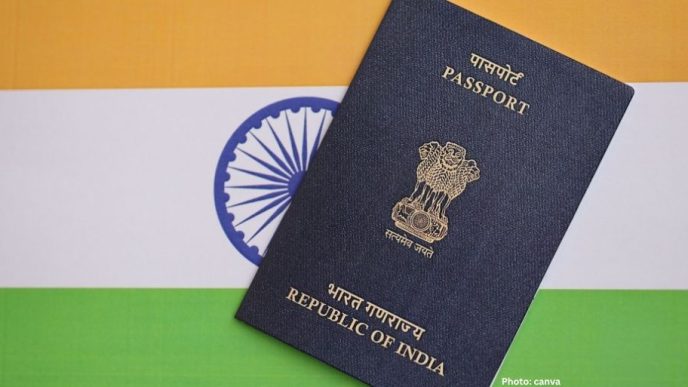
As the largest group of H-1B visa holders, Indian nationals have been significantly impacted by changes in U.S. immigration policy. Recent data from the U.S. Citizenship and Immigration Services (USCIS) reveals that Indian nationals accounted for approximately 71% of the nearly 400,000 approved H-1B visas in fiscal year 2024. Furthermore, over 1.26 million Indians, including dependents, are currently waiting in employment-based green card categories. If passed, the new legislation could severely restrict their ability to secure permanent residency in the U.S., which many view as a critical step toward the ‘American dream.’
Political Landscape and Future Prospects
Despite the potential implications of this bill, immigration experts caution that its passage may be challenging given the sharp divide between Republicans and Democrats over immigration policy. As the political landscape continues to evolve, the future of the H-1B visa program remains uncertain, with many stakeholders closely monitoring the legislative developments.