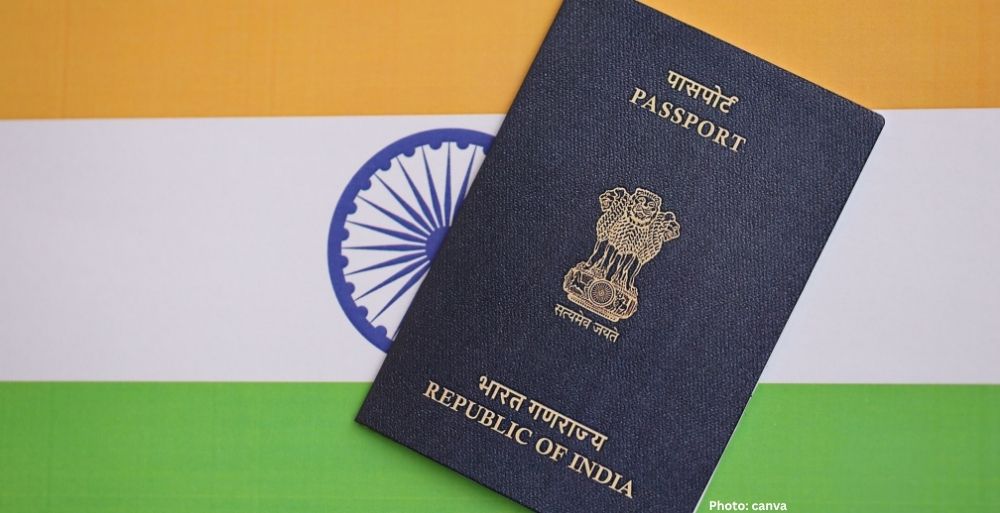
The Indian Ministry of External Affairs emphasizes the distinction between passports as travel documents and citizenship credentials, while announcing plans to enhance international mobility for Indian citizens.
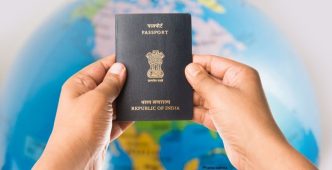
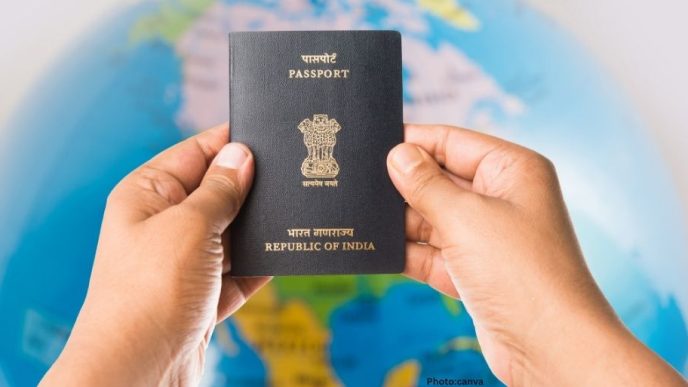
The Indian Ministry of External Affairs (MEA) issued a significant clarification on June 24, 2026, asserting that the Indian passport operates primarily as a travel document, rather than a certificate of citizenship. This statement came from a senior MEA official during a media briefing, where concerns were raised about the implications of passports in relation to citizenship rights amid a national voter registration process.
During the ongoing Special Intensive Revision (SIR) of electoral rolls affecting 16 states, questions had emerged regarding whether Indian passports could serve as valid documentation to contest exclusions from voter lists. The MEA official responded unequivocally, stating, “A passport is a travel document, not a document of citizenship, and theoretically speaking, that distinguishes a passport from other documents.” This assertion underscores the legal distinction that, while a passport indicates a person’s nationality for travel purposes, it does not confer citizenship rights.
Legal Context of Passports and Citizenship
The distinction between passports and citizenship documents is not merely semantic. Under Indian law, citizenship is defined by specific criteria outlined in the Citizenship Act of 1955, which includes birth, descent, registration, and naturalization. As such, possessing an Indian passport does not inherently grant an individual the same rights as citizenship, such as voting in elections. The MEA’s clarification aims to prevent any potential misuse of passports in legal contexts pertaining to citizenship.
Further elaborating on the issuance process, the MEA official noted that Indian passports are issued after extensive verification processes. This includes checks against various government databases, such as the Aadhaar system and the Permanent Account Number (PAN) registry. These measures are designed to ensure that only eligible individuals receive a passport, reinforcing the idea that passports are not synonymous with citizenship.
Enhancing International Mobility for Indian Citizens
In addition to clarifying the role of passports, the MEA announced a proactive approach to enhancing international mobility for Indian citizens. The ministry is planning increased engagements with Western countries and Japan to secure employment opportunities for Indian workers in these industrialized nations.
As part of this initiative, the MEA will host the Human Resource Mobility Forum in New Delhi from June 30 to July 1, 2026. This event is expected to attract numerous recruitment agencies and will focus on ethical migration practices, highlighting the importance of avoiding illegal channels that can lead to dangerous situations for migrants. One MEA official stated, “We have to demolish the myths that one can go to Italy or Greece using unfair means and then send home lots of money.” This reflects the ministry’s commitment to promoting safe and legal pathways for migration.
Passport Statistics and Global Recognition
As of mid-2026, approximately 10% of Indian passport holders have acquired the new e-passport, which features advanced security measures, including a microchip that stores biometric data. The MEA has established 545 Passport Seva Kendras (PSKs) across the country to facilitate the increased demand for passport services. This network strategically covers almost every Lok Sabha constituency, ensuring that citizens have access to necessary services.
Moreover, the MEA has taken steps to support vulnerable populations within the Indian diaspora, particularly women facing domestic violence or other crises abroad. One-stop centers have been established in Gulf countries and Singapore, providing crucial assistance to Indian women in distress, with plans to expand these services to other regions.
On the occasion of the 14th Passport Seva Divas, External Affairs Minister S. Jaishankar reaffirmed the ministry’s dedication to improving the efficiency, transparency, and accessibility of passport services. He noted that innovations such as chip-enabled e-passports and the establishment of new PSKs have significantly enhanced the ability of Indian citizens to travel internationally and access global job markets.
Current Visa Policies and International Standing
Minister Jaishankar also highlighted the growing global acceptance of the Indian passport, citing that 27 countries currently grant visa-free entry to Indian passport holders. Additionally, 47 nations offer visas on arrival, while 66 countries provide electronic visas (e-visas) for Indian citizens. This expansion of international mobility is indicative of the Indian government’s ongoing efforts to enhance the travel capabilities and global standing of its citizens.
The MEA’s recent clarifications and initiatives reinforce the importance of understanding the legal frameworks surrounding citizenship and travel documentation. As India continues to navigate its role in a complex global landscape, the distinction between a travel document and citizenship remains a critical conversation, particularly as it relates to the rights of Indian citizens both domestically and abroad.