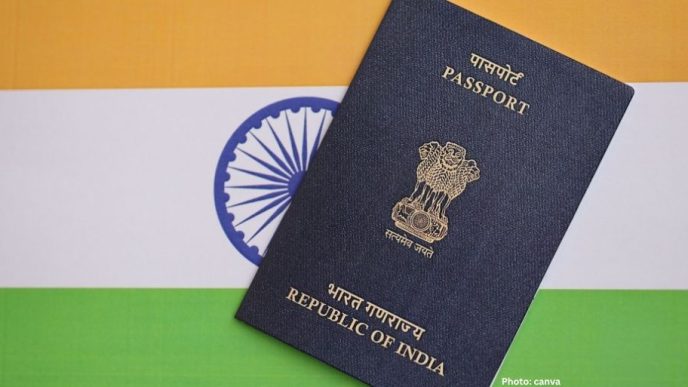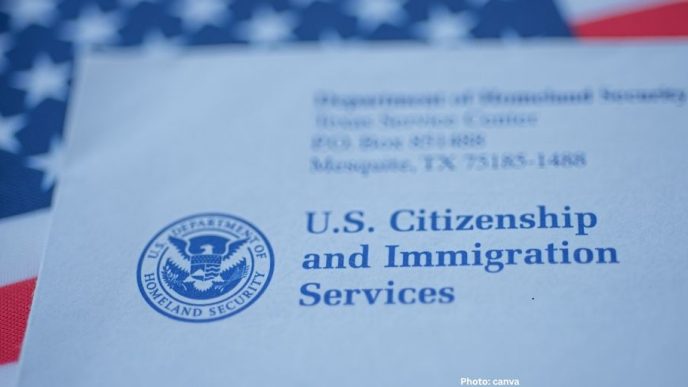
A federal judge has ruled that the Trump administration’s $100,000 fee for H-1B visa petitions constitutes an unlawful tax, nullifying the policy in its entirety and highlighting the tension between executive action and congressional authority.
A federal judge in Massachusetts has ruled against a controversial policy from the Trump administration that imposed a $100,000 fee on employers seeking H-1B visas for skilled foreign workers. In a decision announced on June 8, 2026, Judge Leo T. Sorokin declared the policy unlawful, stating it effectively constituted a tax that Congress alone has the authority to levy.
The 42-page opinion from Judge Sorokin followed a lawsuit filed by a coalition of 20 states in December 2025, which argued that the exorbitant fee would exacerbate existing shortages of skilled professionals across various sectors, including healthcare and education. The ruling nullified the September 2025 policy in its entirety, reflecting ongoing legal battles over immigration restrictions imposed by the Trump administration.
Judge’s Rationale
In his ruling, Judge Sorokin noted that the Trump administration’s argument characterizing the fee as a “regulatory payment” lacked sufficient legal grounding. He criticized the administration for failing to provide a clear definition of this term, stating, “This is mere ipse dixit.” He emphasized that there was no evidence supporting the notion that a regulatory payment could differ from a tax or penalty.
Moreover, Judge Sorokin pointed out that the policy was developed without a formal process or opportunity for public comment, which could have revealed significant opposition from industries that rely on the H-1B program to address labor shortages. His ruling underscored the importance of adherence to established legal processes in shaping immigration policy.
Background on the H-1B Visa Program
The H-1B visa program, which allows U.S. companies to hire skilled foreign workers, has historically provided approximately 85,000 new visas annually through a lottery system. This program is heavily utilized by sectors such as technology, finance, healthcare, and academia, where there are often shortages of qualified candidates. Proponents of the program argue that it plays a critical role in filling skills gaps, especially in high-demand fields.
The Trump administration had argued that the H-1B visa program was being exploited to replace American workers with lower-paid foreign labor. President Trump himself claimed that the $100,000 fee would encourage companies to prioritize hiring U.S. citizens for these high-paying roles. However, critics contended that the fee would disproportionately harm smaller companies and nonprofit organizations, which often rely on the program to attract talent from abroad.
Legal and Political Context
Judge Sorokin’s ruling comes amidst a backdrop of conflicting judicial decisions regarding immigration policy. Just months earlier, Judge Beryl Howell, an Obama appointee, allowed the administration to proceed with the fee in a different case, asserting that the executive branch had the authority to regulate immigration under federal law. However, Judge Sorokin countered this position, referencing precedents indicating that the president can only impose taxes or penalties when explicitly authorized by Congress.
This decision is part of a broader trend of federal judges challenging the Trump administration’s immigration policies. For instance, another recent ruling invalidated a directive that froze applications for work permits and other immigration benefits. These legal challenges highlight the ongoing struggle between the executive and legislative branches regarding the regulation of immigration.
Reactions to the Ruling
In response to the ruling, New York Attorney General Letitia James, who was part of the coalition that sued the administration, stated, “Today a court put an end to this administration’s illegal attempt to destroy this critical program and the many jobs it makes possible.” This sentiment reflects a widespread concern among various stakeholders about the implications of the fee on the labor market and the availability of skilled workers.
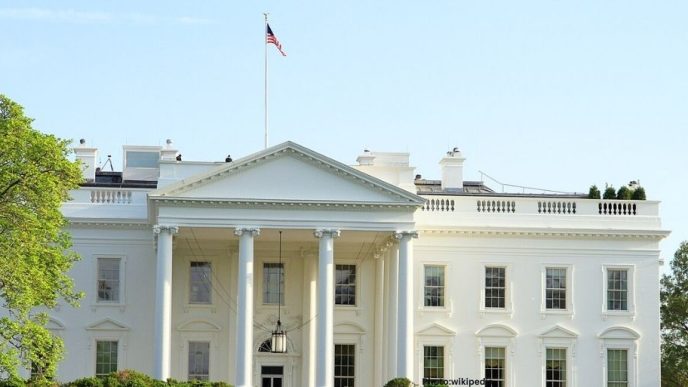
On the other hand, a White House spokeswoman, Taylor Rogers, defended the administration’s actions, asserting that President Trump possesses the legal authority to restrict immigration based on national interest. She expressed confidence that the ruling would be overturned on appeal, citing the earlier decision by Judge Howell as indicative of a flawed judgment.
The future of the H-1B visa program remains uncertain as lawmakers continue to navigate the complexities of immigration policy. A bipartisan group of legislators introduced a bill in March aimed at exempting foreign healthcare professionals from the fee, acknowledging their critical role in supporting underserved communities and healthcare facilities, particularly in rural areas. However, as of now, that measure has not progressed in Congress.
As legal challenges continue to unfold, the landscape of U.S. immigration policy remains fraught with contention, reflecting differing views on the balance between protecting American jobs and attracting vital international talent.