A year after India’s suspension of the Indus Waters Treaty with Pakistan, tensions have escalated over water-sharing rights, prompting Pakistan to seek international intervention and raising concerns about regional stability.
In April 2022, India announced its decision to keep the Indus Waters Treaty (IWT) with Pakistan “in abeyance,” a move that has significantly impacted the already strained bilateral relations between the two countries. The IWT, established in 1960, governs the sharing of waters from six major transboundary rivers: the Indus, Jhelum, Chenab, Ravi, Sutlej, and Beas. India’s suspension of the treaty means it no longer feels obligated to adhere to its stipulations, leading to disruptions in the normal flow of water to Pakistan.
As a downstream state, Pakistan relies heavily on the Indus river system for its irrigation needs, with over 70% of its agricultural water supply sourced from these rivers. The suspension has created uncertainties regarding the volume of water flowing into Pakistan, hampering the country’s ability to plan for agricultural use and manage flood or drought risks. This situation has heightened tensions and raised fears of potential conflict, especially as Pakistan has accused India of exacerbating water scarcity.
International Legal Efforts by Pakistan
Over the past year, Pakistan has actively sought to build an international legal case against India regarding the IWT, appealing for intervention from various global organizations, including the United Nations (UN), the International Court of Justice (ICJ), and the World Bank. Serving as a non-permanent member of the UN Security Council (UNSC) since January 2022, Pakistan has leveraged this platform to bring international attention to the issue, repeatedly raising concerns about India’s actions.
Pakistan’s legal argument hinges on the assertion that the IWT does not permit either country to suspend its obligations unilaterally. Instead, the treaty includes a dispute resolution mechanism that should be invoked to address grievances. This argument has been emphasized in Pakistan’s ongoing efforts to internationalize the issue and garner support from other nations.
Framing the Issue as a Security Concern
Pakistan has framed the dispute over the IWT as a matter of regional peace and security, positioning it as a human rights issue as well. To this end, Pakistani NGOs have petitioned the UN Human Rights Council (UNHRC) to intervene. The UN Special Rapporteurs have issued communications to India seeking clarifications regarding its decision to suspend the treaty, although India has maintained that the treaty is fundamentally a bilateral arrangement with the World Bank serving only as a facilitator.
Additionally, Pakistan claimed a legal victory when the Court of Arbitration, established under the IWT mechanism to address disputes, ruled that India’s decision to suspend the treaty did not negate the court’s jurisdiction over ongoing matters. This ruling has been cited by Pakistan as evidence that India’s suspension is inconsistent with international law, although India has rejected the court’s authority and did not participate in the proceedings.
India’s Infrastructure Development and Strategic Positioning
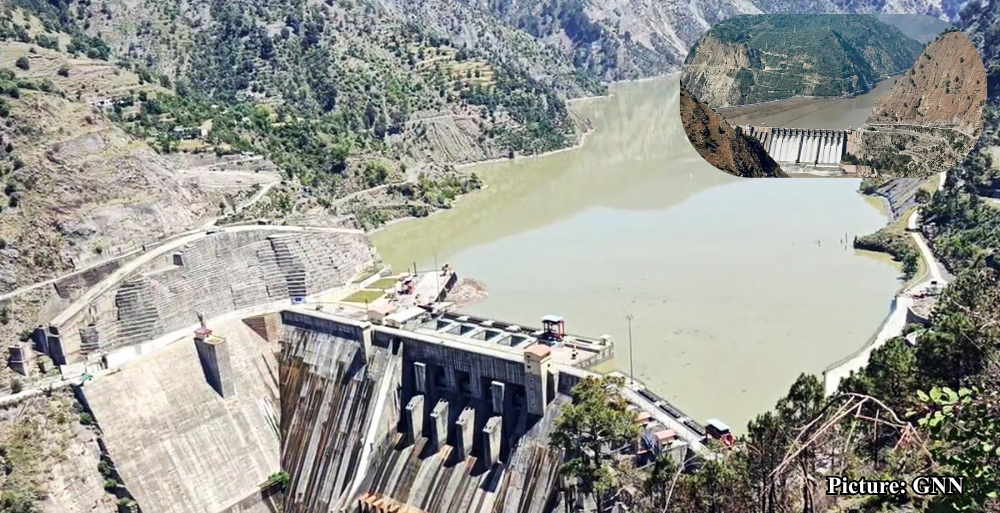
In contrast to Pakistan’s focus on international legal channels, India has concentrated its efforts on completing infrastructure projects on the rivers covered by the IWT. The treaty allows India limited, non-consumptive use of waters from the western rivers (Indus, Jhelum, and Chenab), while granting unrestricted access to the eastern rivers (Ravi, Sutlej, and Beas). However, India has faced repeated objections from Pakistan regarding its development projects, which Pakistan argues violate the treaty.
India’s government has argued that the treaty is outdated and requires renegotiation, citing significant changes in demographics, climate conditions, and technological advancements since the treaty’s inception. The Indian side has also emphasized that the rising population and changing needs of Jammu and Kashmir necessitate a reassessment of the treaty’s terms. A committee of experts has been working to strengthen India’s position with updated data and evidence supporting the need for a new framework.
Despite the tensions, the flow of water has continued, albeit under a cloud of uncertainty. Regular meetings between the Indus Waters Commissioners from both nations have been interrupted, complicating data-sharing efforts and exacerbating the challenges faced by Pakistan in managing its water resources. As the situation evolves, the potential for a major legal or diplomatic confrontation remains, with both countries preparing for various scenarios.
The implications of India’s suspension of the IWT extend beyond immediate regional concerns, as the issue of water rights and resource management gains increasing significance on the international stage. As both nations navigate this complex landscape, the potential for escalation remains a pressing concern for regional stability and security.