
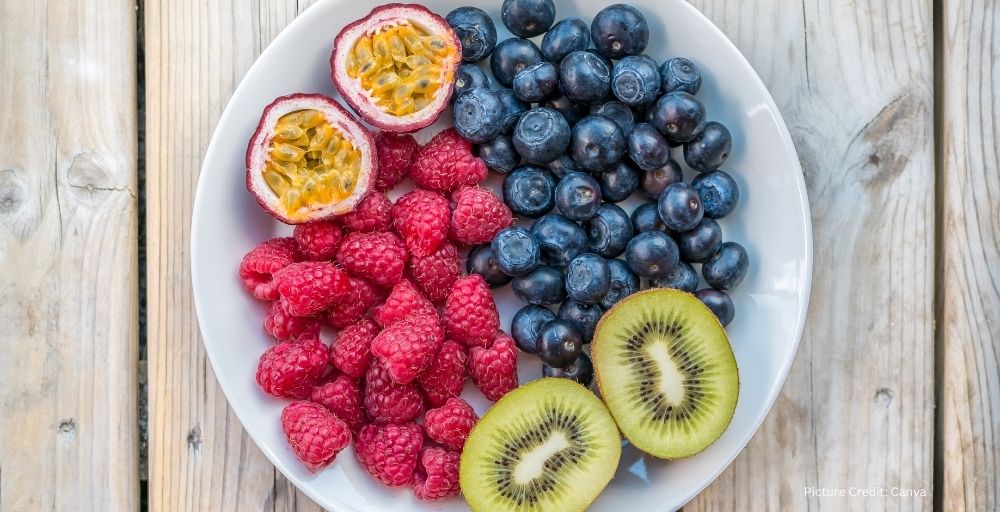
Despite bananas being a popular source of fiber, kiwi, apples, blueberries, and passion fruit offer higher fiber content per serving, contributing to improved digestive health for many Americans.
A recent focus on dietary fiber has revealed that a significant portion of the American population is falling short of the recommended daily intake. According to various health statistics, approximately 95% of Americans do not consume enough fiber, which is crucial for digestive health and overall well-being. While bananas are often recognized for their potassium content, they also serve as a common source of dietary fiber. Each raw banana contains just over 2 grams of fiber, which is about 7% of the daily value based on a recommended intake of 28 grams for most adults. However, several other fruits surpass bananas in fiber content, making them valuable additions to a health-conscious diet.
Kiwi: A Fiber Powerhouse
Among the fruits that exceed bananas in fiber content, kiwi stands out significantly. This tropical fruit offers approximately 3 grams of fiber per 100 grams, which translates to 4.5 grams for a standard two-kiwi serving, providing 16% of the daily value. Recent studies have highlighted kiwi’s role in enhancing digestive health, with evidence suggesting that the consumption of two kiwis daily can alleviate constipation and reduce abdominal discomfort. Amanda Sauceda, a registered dietitian nutritionist, notes, “Eating two kiwis a day can promote softer, more normal bowel movements, so kiwi can be a real game-changer if you get constipated.” This is largely attributed to kiwi’s fiber content, which helps to retain water in the digestive tract, thereby facilitating smoother bowel movements.
Kiwi’s tart flavor pairs well with numerous foods, making it a versatile ingredient. It can be added to smoothies, combined with yogurt and almond butter, or even used in salsa for a unique twist on traditional recipes.
Apples: The Everyday Fiber Superstar
Another fruit frequently overlooked in fiber discussions is the apple. Commonly found in lunchboxes across the country, apples are rich in fiber, particularly varieties like Granny Smith, which contain around 2.8 grams of fiber per 100 grams or approximately 4.7 grams per medium apple, equating to 17% of the daily value. According to Sauceda, “Apples are near and dear to my heart because they’re easily accessible and there’s tons of varieties.” Apples also contain pectin, a type of soluble fiber that acts as a prebiotic, nourishing beneficial gut bacteria. Research indicates that pectin may enhance the growth of several strains of good gut bacteria, thereby promoting digestive health.
Whether enjoyed simply sliced, dipped in peanut butter, or incorporated into various recipes, apples provide a wealth of nutritional benefits.
Blueberries: Small But Mighty
Blueberries are another fruit that offers more fiber than bananas, containing 2.1 grams per 100 grams. A single cup of blueberries provides approximately 3.6 grams of fiber, which is about 13% of the daily value. A 2023 study examined the effects of blueberries on individuals with functional gastrointestinal disorders, revealing that those who consumed the equivalent of 1¼ cups of blueberries daily for six weeks reported improvements in abdominal symptoms and overall quality of life. “It’s also thought that the antioxidants in blueberries could have an anti-inflammatory effect in the gut,” notes Sauceda.
Blueberries’ natural sweetness makes them a popular choice for a variety of dishes, including baked goods, smoothies, and salads. They can even serve as a healthier dessert option when paired with dark chocolate.
Passion Fruit: A Nutritional Gem
Passion fruit is another excellent source of dietary fiber, with each small fruit containing nearly the same amount as a banana. A serving of two passion fruits yields about 4 grams of fiber, or 14% of the daily value. Beyond fiber, passion fruit is rich in antioxidants like vitamins A and C, which contribute to its status as a nutritious addition to meals. “If you have a hard time finding fresh passion fruit, try the frozen section and add it to smoothies for a tart nutrient punch,” suggests Kaytee Hadley, another registered dietitian nutritionist.
Strategies for Increasing Fiber Intake
Incorporating fruits into one’s diet is a beneficial strategy for increasing fiber intake, but there are additional approaches to consider. The Institute of Medicine recommends a daily fiber intake of 25 grams for women and 38 grams for men. To meet this goal, it is essential to diversify fiber sources. Sauceda advises, “Varying up flavors keeps you excited about food,” encouraging the exploration of new high-fiber ingredients. Focusing on plant-based foods, such as fruits, vegetables, legumes, and whole grains, is a reliable method for boosting fiber consumption.
Furthermore, starting the day with high-fiber foods can help individuals achieve their daily goals more easily. Options such as oatmeal topped with fruits, beans in a breakfast burrito, or vegetables in an omelet can make fiber a prominent part of breakfast.
In conclusion, as the majority of Americans struggle to meet their fiber needs, incorporating a variety of fiber-rich fruits like kiwi, apples, blueberries, and passion fruit can play a critical role in enhancing dietary fiber intake. These fruits not only provide essential nutrients but also contribute to improved digestive health and overall wellness.