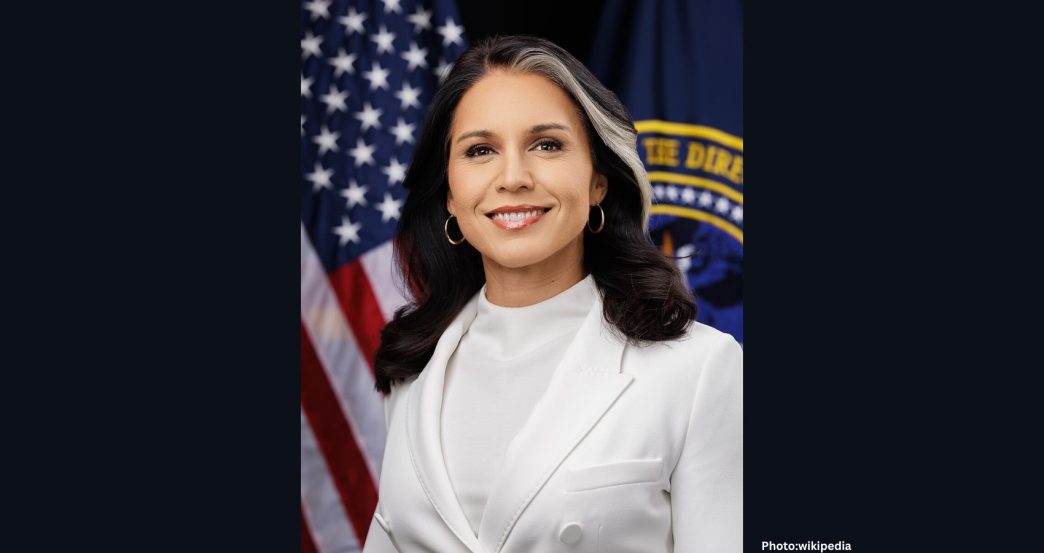
Former Congresswoman Tulsi Gabbard announced her resignation as Director of National Intelligence, citing family health issues. Her departure has ignited a wave of conspiracy theories and speculation within right-wing circles.
Tulsi Gabbard, the Director of National Intelligence (DNI), announced her resignation on Friday, stating that she needs to focus on supporting her husband, Abraham Williams, who has been diagnosed with a rare form of bone cancer. In her resignation letter addressed to President Donald Trump, Gabbard expressed her commitment to stand by her husband during his health battle. Gabbard previously served as a U.S. Representative for Hawaii from 2013 to 2021, and her tenure in office has been marked by controversy and polarizing views.
Gabbard’s background has drawn significant scrutiny, particularly regarding her upbringing in the Science of Identity Foundation, a spiritual group some have labeled a cult. A spokesperson for Gabbard has denied these claims, arguing that they stem from biases against Hinduism. Throughout her political career, Gabbard has been a controversial figure, often expressing sympathetic views towards authoritarian regimes. Notably, her secret meeting with Syrian President Bashar al-Assad in 2017 raised eyebrows, especially after she publicly questioned the veracity of allegations that Assad used chemical weapons against his own citizens. Human Rights Watch has documented extensive evidence of such attacks.
Political Context and Speculation
Gabbard’s resignation comes amid increasing tensions within the Trump administration regarding U.S. foreign policy, particularly concerning Iran. Rumors and speculation have circulated alleging that Gabbard was forced out due to differences with Trump and other administration officials over the Iran war policy. Reports from Reuters suggested that Gabbard was “forced out” by the White House, a claim that was denied by administration spokespeople. These tensions have been exacerbated by Gabbard’s critical stance towards NATO and the Biden administration’s handling of Russia’s invasion of Ukraine.
As Gabbard’s departure was announced, various conspiracy theories began to surface, particularly within right-wing circles. Prominent figures, including former Trump advisor Steve Bannon, claimed that her resignation was part of a larger conspiracy involving the CIA and other intelligence agencies. Bannon insinuated that Gabbard had been “fired” due to her opposition to deep state actors and alleged a hostile takeover of her position.
The MAGA community has been rife with speculation, with some claiming that Gabbard’s office had been raided by the CIA to confiscate documents relating to high-profile historical events, such as the JFK assassination and the MKUltra program. Gabbard’s office has denied these assertions, and no credible evidence has emerged to support these claims.
Resignation and Its Implications
Gabbard’s resignation marks her as the fourth woman to exit the Trump administration in recent months, following the departures of prominent officials such as Attorney General Pam Bondi and Homeland Security Secretary Kristi Noem. This pattern of resignations raises questions about the stability and direction of the administration as it grapples with internal dissent and external pressures, particularly regarding U.S. military engagements abroad.
In the context of Gabbard’s career, her time as DNI has been characterized by pugnacious rhetoric and a tendency to align with conspiracy theories. While in office, Gabbard accused former U.S. officials of engaging in a “years-long coup” against Trump and released classified documents related to Russian interference in the 2016 election, actions that drew ire from other intelligence officials.
Despite her efforts to align with Trump by supporting his claims of a “treasonous plot” against him, Gabbard’s position ultimately became untenable. Reports indicated that Trump had contemplated firing her prior to her resignation. This situation reflects broader fractures within the Republican base, particularly around issues such as foreign policy and the administration’s approach to the Iran war.
Future of Gabbard and the Administration
The fallout from Gabbard’s resignation is likely to continue, as various factions within the Trump-supporting community seek to interpret her departure. As political commentator Lauren Lee noted, the trend of resignations, particularly among those who have voiced dissent regarding the Iran war, raises concerns about the future direction of the administration.
In summary, Gabbard’s resignation not only underscores the personal challenges she faces but also highlights the political turbulence within the current administration. Her departure opens a new chapter for the DNI, presenting an opportunity for Trump to appoint a successor more aligned with his views. As speculation continues to swirl around Gabbard’s exit, the implications for both her future and the administration’s stability remain to be seen.