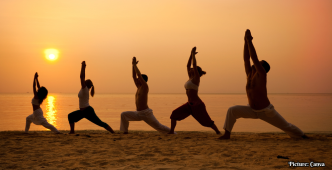

Gentle yoga for relaxation is a mindful practice that emphasizes slow movements and deep breathing, aiming to calm the nervous system and reduce stress.
In recent years, the practice of gentle yoga has gained popularity as individuals seek effective methods to manage stress and anxiety in an increasingly fast-paced world. This form of yoga is designed not merely to challenge physical fitness levels but to facilitate relaxation and mental clarity. It employs slow, mindful movements that activate the body’s natural relaxation response, making it a suitable practice for individuals of all ages and fitness backgrounds.
What is Gentle Yoga for Relaxation?
Gentle yoga for relaxation focuses on calming the nervous system through mindful movement rather than strenuous exercise. Unlike more intense forms of yoga, such as power or hot yoga, gentle yoga promotes slow transitions, longer holds, and deep breathing techniques to help practitioners release tension and cultivate inner peace. This practice is particularly accessible for beginners and those recovering from injuries, as it emphasizes comfort and support over physical challenge.
Core Principles of Mindful Movement
Mindful movement is central to gentle yoga, where practitioners are encouraged to pay attention to their body’s signals in each moment. The practice fosters self-awareness and engages participants in listening to their bodies, which can help interrupt the cycle of stress. By moving with intention and care, individuals create space for genuine relaxation.
Who Benefits from Gentle Yoga?
Gentle yoga can be beneficial for a wide range of individuals, from stressed students to busy professionals and those dealing with chronic pain. Its accessible nature means that it can serve as a valuable tool for anyone looking for effective stress management techniques that do not require high-intensity workouts or gym memberships.
Effective Gentle Yoga Styles
Not all yoga styles are equally effective for relaxation. The most beneficial practices focus on calming the nervous system rather than building strength or flexibility. Among these, restorative yoga is often cited as the most effective for relaxation. This style utilizes props such as bolsters and blankets to support the body in passive poses held for extended periods, allowing for deep relaxation.
Restorative Yoga Fundamentals
In restorative yoga, poses are designed to be effortless, allowing practitioners to focus entirely on their breath and the release of stress. This practice is akin to meditation with gentle movement, enabling participants to let go of physical and mental tension.
Essential Calming Yoga Poses
Several poses are particularly effective for stress relief, including:
- Child’s Pose (Balasana): This pose calms the nervous system and offers a sense of safety and comfort.
- Legs-Up-the-Wall (Viparita Karani): Ideal for evening practice, this pose helps reduce swelling and prepares the body for sleep.
- Seated Forward Bend (Paschimottanasana): This pose encourages introspection and a calming effect through gentle stretching.
Slow Flow Yoga Sequences
Unlike traditional vinyasa flows, slow flow yoga emphasizes gentle transitions between poses, holding each for several breaths. This style not only releases physical tension but also promotes present-moment awareness, enhancing the overall relaxation experience.
Scientific Backing for Gentle Yoga
Research indicates that regular yoga practice can alter the brain’s stress response, leading to reduced cortisol levels and an activated vagus nerve, which plays a crucial role in relaxation. For individuals experiencing sleep issues, gentle yoga addresses both physical tension and mental distractions that impede restful sleep. By integrating gentle movement with focused breathing, practitioners can transition from a state of alertness to one of calm, often resulting in improved sleep quality.
Specific Poses for Anxiety Relief
Some yoga poses can provide immediate relief during anxious moments, including:
- Standing Forward Bend: This pose encourages introspection and helps calm the nervous system.
- Supported Bridge Pose: This pose opens the chest and counteracts stress-induced postures.
Evening Yoga Routines
Establishing an evening yoga routine can signal to the body that it is time to unwind. Incorporating gentle twists, forward folds, and restorative poses like legs-up-the-wall can effectively prepare the body for sleep. Dimming the lights and avoiding stimulating poses can further enhance relaxation before bedtime.
Essential Breathing Exercises
Breathing techniques are fundamental to the relaxation benefits of gentle yoga. Controlled breathing serves as a bridge between conscious and unconscious states, enabling practitioners to access their relaxation response. Techniques such as the 4-7-8 breathing method and box breathing can be practiced anywhere and are particularly effective during stressful moments.
Starting a Gentle Yoga Practice at Home
Beginning a gentle yoga practice at home requires minimal equipment—primarily a yoga mat and a quiet space. Creating an inviting relaxation environment, utilizing props such as bolsters and blankets, and establishing a consistent routine are key to developing a sustainable practice. A beginner-friendly routine can include a combination of deep breathing, gentle stretches, and restorative poses.
Modifications for Accessibility
Gentle yoga is highly adaptable, making it accessible for individuals with physical limitations or those in special conditions such as pregnancy. Modifications ensure that everyone can benefit from the practice without forcing themselves into discomfort. Chair yoga is an excellent alternative for individuals unable to practice on the floor, allowing for gentle movements while seated.
Conclusion: A Path to Inner Peace
Gentle yoga for relaxation offers a practical approach to managing stress and enhancing overall well-being. By activating the body’s natural relaxation response, this practice provides effective tools for individuals facing anxiety, sleep issues, or general life stress. Ultimately, the focus should be on consistency and self-acceptance rather than perfection, allowing practitioners to find moments of tranquility amidst the chaos of daily life.