Yemen’s Iran-backed Houthi rebels announced a missile attack on Saudi Arabia’s southern city of Jizan, escalating tensions in the region following a series of retaliatory strikes between Iran and the U.S. that have intensified conflict and instability.
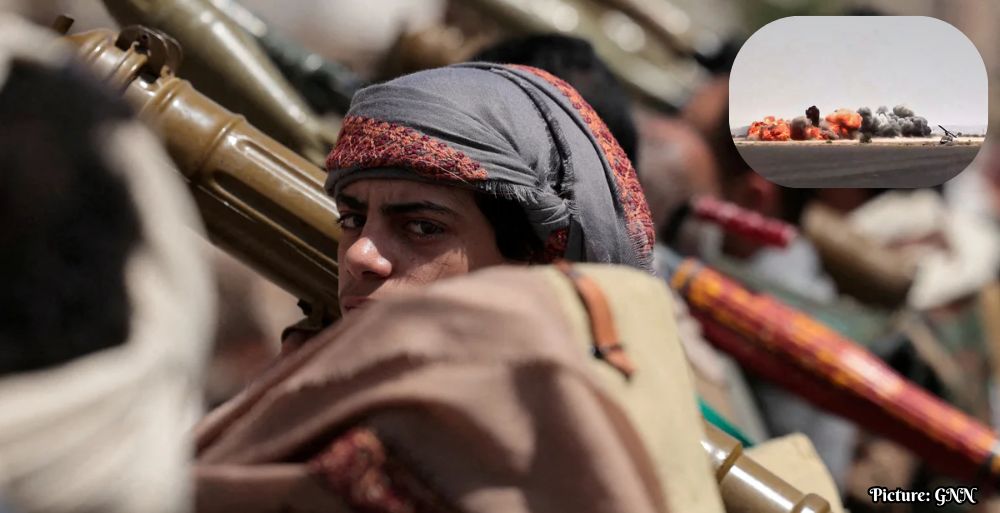
JIZAN, Saudi Arabia — Yemen’s Iran-backed Houthi rebels claimed responsibility for a missile attack on Saturday targeting the southern Saudi city of Jizan. This incident marks a significant escalation in hostilities between the Houthis and Saudi Arabia, highlighting the ongoing tensions in the region, particularly following recent military actions involving U.S. forces.
The missile attack comes after the Houthis vowed to retaliate against Saudi Arabia for earlier strikes. Reports indicate that air defense systems in Saudi Arabia successfully intercepted two ballistic missiles aimed at oil refineries in Yanbu on the Red Sea. The Saudi civil defense department also issued warnings for the port city of Jizan, which is located near the border with Yemen.
Recent Developments in Iranian and U.S. Relations
In a broader context, the attack follows a period of heightened tensions between Iran and the United States. The Iranian health ministry spokesperson, Hossein Kermanpour, reported that Iran had experienced a “peaceful night” for the first time in two weeks, after a series of U.S. strikes in retaliation for Iranian attacks on commercial vessels in the Strait of Hormuz.
This situation escalated after a memorandum of understanding (MoU) signed between the U.S. and Iran in June broke down. The MoU aimed to reopen the strategically vital Strait of Hormuz, through which around 20% of the world’s oil and gas passes, and to pause hostilities for 60 days to allow for negotiations. However, ongoing conflicts have severely hampered any progress towards peace talks.
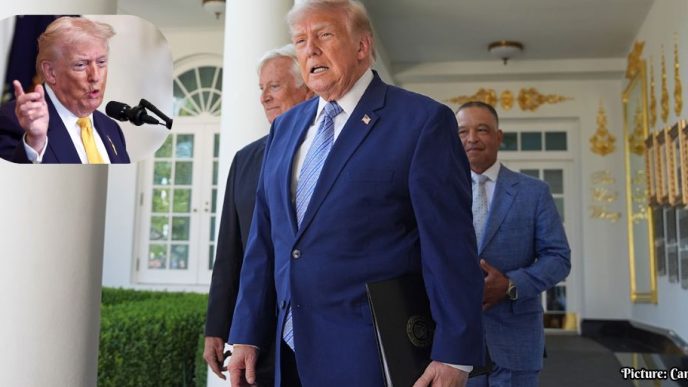
U.S. President Donald Trump has indicated a willingness to escalate military actions against Iran, suggesting potential strikes on Iranian civilian infrastructure, including energy facilities, and a ground operation to seize Kharg Island, a major oil export terminal. “There’s a military exit where we just keep going just the way we are… Or there’s a smarter strategy that you make a deal,” Trump stated during a press briefing on Friday.
Reactions from Iran and Regional Implications
The Iranian government has responded to these developments with strong rhetoric. Iranian Foreign Minister Abbas Araghchi stated that the “American approach” is obstructing peace negotiations, asserting that Iran will not be intimidated by threats or yield to pressure.
As tensions continued to mount, the U.S. military fired on a merchant vessel in the Gulf of Oman, claiming it was violating a blockade of Iranian ports. In a separate incident, the UK maritime agency reported an altercation involving military forces and a tanker in the region, although specifics regarding the parties involved were not disclosed.
On the ground, a Yemeni security source noted that Saudi airstrikes targeted a naval base in Hodeida and a military camp on Kamaran Island in response to Houthi activities. The Houthis have labeled these actions as a “dangerous escalation,” further complicating the already volatile situation.
Economic Impact and Global Energy Markets
The ongoing conflict has significant repercussions for global energy markets. Following the escalation, oil prices surged past $100 a barrel for the first time since May, with shipping insurance costs through the southern Red Sea doubling for some companies. The Houthis had previously declared a naval blockade of Saudi Arabia in the Red Sea, which threatens to disrupt oil supplies further.
Araghchi emphasized in a recent interview that there is no military solution to the Saudi-Houthi conflict, which he characterized as rooted in longstanding disputes. He called for dialogue as the only viable path forward, reflecting a desire for a diplomatic resolution amidst escalating military actions.
Efforts for Mediation and Dialogue
Mediators, including Pakistan and Qatar, have been attempting to facilitate communication between the U.S. and Iran over the past two weeks. Reports suggest that Iraq has also attempted to deliver a ceasefire proposal to Tehran, although this was reportedly rejected, a claim disputed by Iraqi officials.
Additionally, a diplomatic initiative spearheaded by China has sought to explore new avenues for dialogue. Iranian Interior Minister Eskandar Momeni recently visited Istanbul to discuss potential resolutions, indicating that despite the rising tensions, there are still efforts behind the scenes to foster communication between the conflicting parties.
The situation remains fluid, with developments occurring rapidly as both regional and global stakeholders navigate the intricacies of the Yemen conflict and its wider implications for Middle Eastern stability.