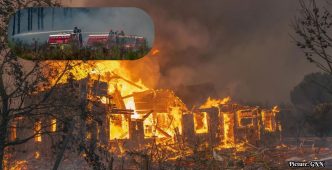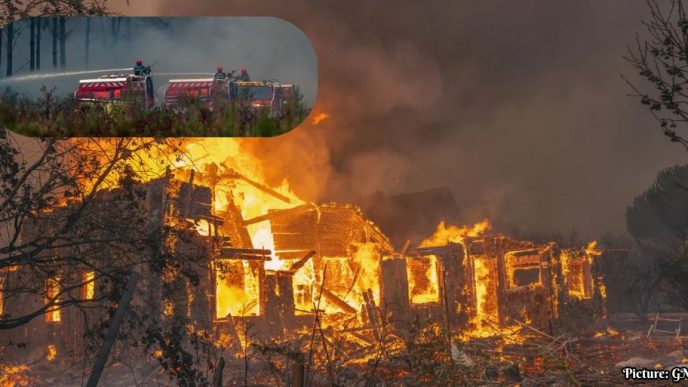
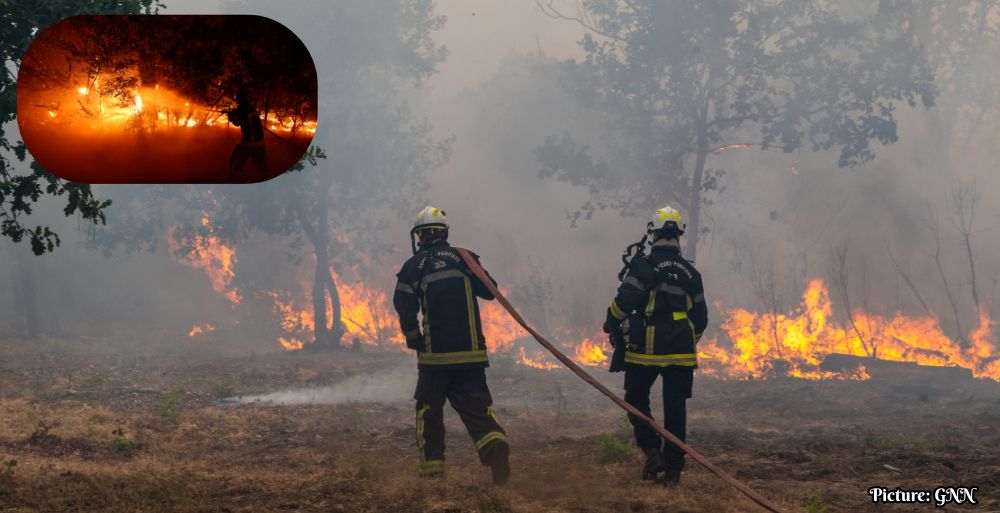
Severe wildfires in France and Spain have led to the evacuation of over 200,000 residents, with emergency measures being implemented to combat the flames fueled by unprecedented heatwaves attributed to climate change.
As wildfires continue to devastate regions in southwest Europe, more than 200,000 individuals have been forced to evacuate their homes in France and Spain. The escalating situation has prompted governments to declare national emergencies and deploy military resources to assist in firefighting efforts.
Evacuations and Response Efforts
In France, particularly in the Cap Ferret peninsula, approximately 40,000 residents have been evacuated. The suburbs surrounding Bordeaux, the country’s sixth largest city, have also seen significant evacuations. On Saturday, authorities dispatched boats to rescue individuals from the Cap Ferret area, which is a popular tourist destination. The French interior minister, Laurent Nuñez, announced that a military A-400M cargo plane has been deployed to aid firefighting operations. This aircraft is specially adapted to carry flame retardants and can transport up to 20 tonnes of water per flight.
In addition to aerial support, more than 1,000 military personnel have been deployed to assist local firefighters. French Minister Sébastien Lecornu indicated that the Armed Forces Health Service would also provide medical care to vulnerable populations affected by the fires. Furthermore, 1.5 million FFP2 masks were delivered to Gironde province to protect both residents and firefighters from smoke inhalation.
Conditions and Impacts
Reports indicate that thick smoke has blanketed parts of the Aquitaine region, resulting in visibility reductions to approximately one kilometer. Local authorities have warned residents, particularly those with respiratory conditions, to remain indoors. The fires have not only threatened property but also posed significant health risks, with at least 27 firefighters injured in the line of duty, six of whom required hospitalization due to carbon monoxide poisoning and a gas bottle explosion.
In Spain, where similar conditions prevail, towns west of Madrid have also been evacuated. Spanish military firefighters are actively battling blazes in the Sierra Oeste region, which have been exacerbated by strong winds and high temperatures. The fires in Spain are considered to be among the worst in the region’s recorded history, with the government declaring a national emergency in response to the escalating crisis.
Climate Context and Historical Trends
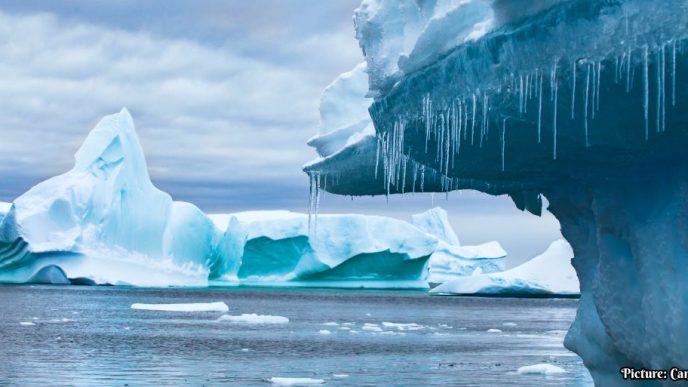
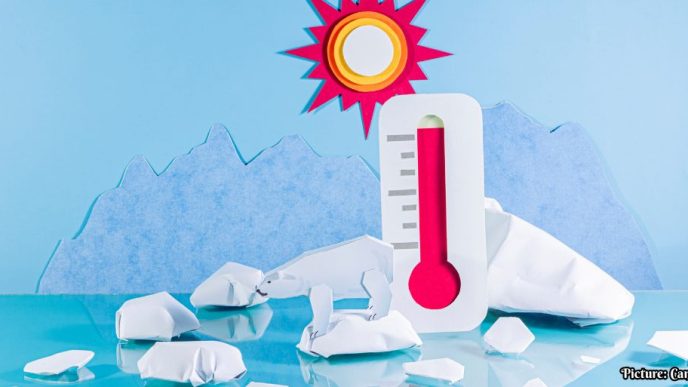
The current wildfires are part of a broader pattern observed in Europe, which faces increased wildfire threats each summer. However, this year has seen a significantly higher area of land burned compared to the historical average for the same period. Data from the European Forest Fire Information System (EFFIS) indicates that the extent of land affected by wildfires has surged due to climate change, which has intensified heatwaves across the continent.
Analysts from World Weather Attribution have stated that the brutal heatwaves experienced in June—characterized as “heat domes”—would have been “virtually impossible” without the influence of human-induced climate change. These heat domes create conditions that trap heat and suppress rainfall, leading to extreme temperatures and heightened fire risks. Since the 1980s, Europe has warmed at twice the global average, according to the European Union’s Copernicus Climate Change Service.
Personal Accounts and Community Impact
For many evacuees, the experience has been traumatic. Residents have described receiving emergency alerts to evacuate in the middle of the night, often leading to frantic departures. “We’re all very anxious about the situation. We just left the house in a hurry,” said Vivien Molina, a 19-year-old environmental student who fled Saint-Aubin-de-Médoc. Other evacuees expressed fears of losing their homes, underscoring the emotional toll of the crisis.
Among those evacuated are elderly care home residents, who face significant challenges during such emergencies. Caregivers have highlighted the difficulties of managing evacuations for vulnerable individuals, particularly those with limited independence. “Whether they’re able-bodied or not, they’re still vulnerable people,” noted caregiver Anais Daussy, emphasizing the upheaval caused by sudden evacuation orders.
Looking Ahead: Challenges and Implications
As the wildfires continue to spread, the immediate future remains uncertain for thousands of residents across France and Spain. The combination of climate change, ongoing heatwaves, and a lack of sufficient rainfall has set the stage for one of the most severe wildfire seasons in recent memory. The situation underscores the urgent need for effective disaster response strategies and climate adaptation policies, particularly as the frequency and intensity of such events are expected to rise in the coming years due to ongoing climate change.
Officials in both countries are calling for heightened awareness and preparedness among communities, stressing the importance of having evacuation plans and emergency supplies readily available. The impact of these fires is not only felt in terms of immediate physical danger but also in the long-term psychological effects on displaced families and the economic ramifications for the regions affected.
In summary, the ongoing wildfires in France and Spain serve as a stark reminder of the increasing vulnerability of regions across Europe to climate-induced disasters. With over 200,000 people evacuated, the scope of this crisis is unprecedented, and the full extent of its impact will likely unfold in the days and weeks to come as communities begin to assess the damage and plan for recovery.