In response to significant unrest over a leaked NEET examination paper, the Citizens for Justice and Peace (CJP) has opened negotiations with the Indian government to address the concerns of students and educational advocates regarding the integrity of the examination process.
The Citizens for Justice and Peace (CJP), a prominent advocacy group in India, has taken proactive measures to engage with the central government following a wave of protests sparked by the alleged leak of the National Eligibility cum Entrance Test (NEET) paper. These protests have intensified, reflecting widespread dissatisfaction among students regarding the examination’s fairness and transparency.
NEET serves as the sole entrance examination for undergraduate medical courses in India, impacting millions of aspiring medical students each year. The examination is administered by the National Testing Agency (NTA), which is tasked with maintaining the integrity and security of the examination process. However, the recent allegations have raised significant concerns about the efficacy of the NTA’s existing safeguards against malpractice.
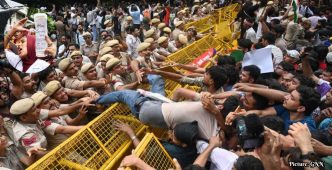
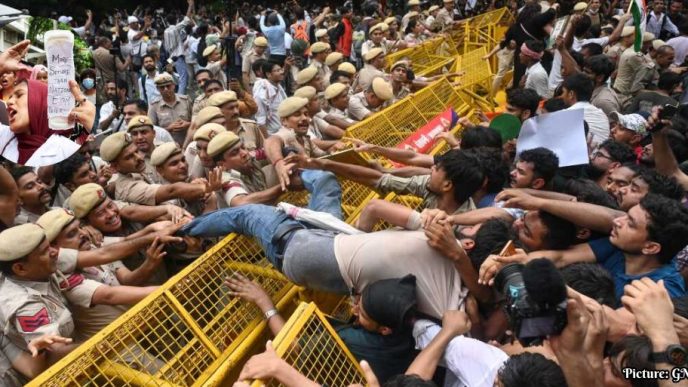
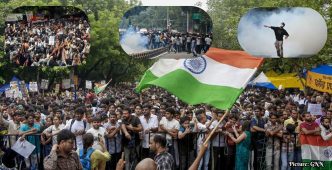
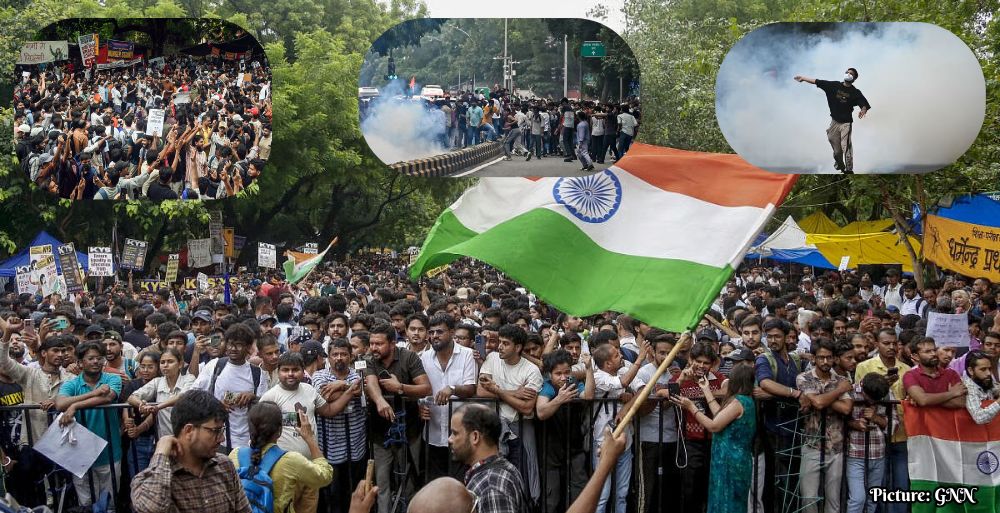
Details of the Protests
Demonstrations began shortly after reports of the leaked NEET paper circulated on social media platforms in the days leading up to the exam date, leading to allegations of widespread examination malpractice. The protests have attracted the attention of various educational groups, with participants demanding a thorough investigation into the leak and the implementation of robust measures to safeguard against future incidents. Many students and advocates argue that the integrity of NEET is crucial for ensuring equal opportunities for all candidates in the highly competitive medical admission process.
The protests, which have taken place in various cities across India, have seen students voicing their concerns through rallies, social media campaigns, and formal petitions. As frustration mounts, participants have highlighted the need for systemic reforms within the examination framework to restore confidence in its fairness.
CJP’s Engagement with the Government
In light of the escalating unrest, the CJP has stepped forward to represent the students’ concerns directly to government officials. The organization has initiated discussions with key stakeholders in the education sector, advocating for increased transparency and accountability in the NEET examination process. These dialogues aim to ensure that the voices of affected students are heard and that their demands for justice are addressed.
A representative from the CJP stated, “We believe it is crucial to have an open dialogue with the government to address these serious issues. The integrity of the NEET examination is paramount to ensuring that all students have a fair chance at pursuing a medical career.” This sentiment underscores the gravity of the situation as the CJP seeks to facilitate a constructive exchange of ideas aimed at resolving the ongoing crisis.
Government’s Response and Future Actions
In response to the protests and the CJP’s engagement, government officials have expressed a willingness to engage in further discussions. Sources within the Ministry of Education have indicated that they are reviewing the situation and contemplating potential reforms to enhance the security protocols surrounding the NEET examination. However, skepticism remains among students and advocacy groups regarding the government’s commitment to implementing effective measures.
Many participants in the protests are calling for immediate actions rather than mere promises of future reforms. The situation has prompted a broader discussion about educational integrity in India, particularly concerning high-stakes examinations that determine the future of countless students. The implications of the NEET paper leak incident extend beyond the immediate crisis, raising concerns about the potential for similar issues to arise in the future.
Broader Implications for Educational Integrity
The NEET paper leak incident has sparked a nationwide conversation about the integrity of standardized testing in India. Calls for systemic changes are becoming increasingly pronounced, with many advocating for the establishment of an independent body to oversee the examination process, ensuring it remains free from corruption and malpractice. This proposed oversight could serve to bolster public confidence in the examination system and mitigate the risk of future leaks.
As the CJP continues to engage with the government, the outcome of these discussions may set a significant precedent for how similar issues are handled in the future. The ongoing protests and increased scrutiny on the NEET examination reflect a broader concern about educational equity and access in India, particularly for marginalized communities who may face additional barriers in the pursuit of medical education.
A Pivotal Moment for Educational Policy in India
The situation surrounding the NEET paper leak represents a critical juncture for educational policy in India. As stakeholders from various sectors await the government’s response, the actions taken in the coming weeks will likely have lasting implications for the integrity of the examination system and the future of medical education in the country.
The CJP’s involvement highlights the essential role of advocacy groups in addressing systemic issues within the education sector. As discussions progress, the potential for meaningful reforms remains contingent on the government’s willingness to listen to and act upon the concerns raised by students and educational advocates.
In conclusion, the NEET examination paper leak has ignited a significant movement among students and advocacy groups, emphasizing the need for transparency and accountability in the educational system. With the CJP’s active role in facilitating dialogue with the government, the outcome of these engagements will be closely monitored by stakeholders across the country, as they seek to ensure a fair and equitable educational environment for all students aspiring to enter the medical field.