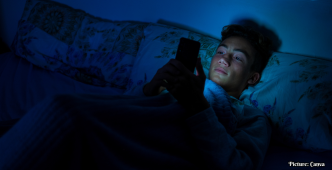

A recent study presented at the SLEEP 2026 annual meeting indicates that increased smartphone use by adolescents before bedtime correlates with extended late-night smartphone activity, potentially impacting their sleep quality.
Darien, IL – A new study set to be presented at the SLEEP 2026 annual meeting reveals significant correlations between adolescents’ smartphone use prior to bedtime and their overall late-night smartphone activity. Conducted by researchers from Stony Brook University, the findings suggest that when teenagers utilize their smartphones for longer periods before sleeping, they are likely to continue using their devices later into the night.
The study examined 230 adolescents from across the United States, who were predominantly smartphone users (46% female, 47% male, 7% other). Participants were asked to complete a survey regarding their sociodemographic characteristics and sleep habits. Subsequently, they installed an application called RealityMeter, which objectively measured their smartphone usage for an average duration of 17 days.
Study Findings and Implications
Results from the research indicate that on nights when adolescents increased their smartphone usage by an additional 20 minutes during the hour leading up to bedtime, they engaged in 8-9 more minutes of late-night smartphone use. Specifically, this late-night usage was measured during the hours of midnight to 5:00 AM on school nights and from 1:00 AM to 6:00 AM on non-school nights. The average late-night smartphone usage among these adolescents was found to be approximately 46 minutes.
Lead author Dr. Gina Marie Mathew, a senior post-doctoral associate in the program in public health at the Renaissance School of Medicine at Stony Brook University, emphasized the significance of these findings. “On evenings when adolescents used their smartphone more before bed, they used it for a longer time later that night, potentially leading to later bedtimes and greater sleep disruption,” stated Mathew. She suggested that limiting smartphone use before bed could help mitigate nighttime phone use and thereby improve sleep quality among teenagers.
The American Academy of Sleep Medicine (AASM) recommends that teenagers aged 13-18 years should aim for 8-10 hours of sleep regularly to promote optimal health. Additionally, the AASM advises turning off electronic devices 30-60 minutes prior to bedtime to facilitate better sleep hygiene.
Methodology and Measurement Techniques
A notable aspect of this study is its reliance on passive measurement techniques. Dr. Mathew pointed out that using objectively measured smartphone data provides a more accurate representation of adolescents’ nighttime media habits compared to traditional self-reported measures. This approach allowed researchers to analyze smartphone usage patterns on a within-person, nightly basis, enabling a detailed understanding of how pre-bedtime smartphone use could predict additional late-night usage.
Notably, the study’s design addresses a critical concern in adolescent health, as sleep deprivation has been increasingly linked to various negative outcomes including poor academic performance, mental health issues, and overall well-being. The findings contribute to a growing body of literature examining the impact of technology on sleep behaviors, particularly in a demographic that is already at risk of insufficient sleep.
Context of Adolescent Sleep Health
Adolescents today face numerous challenges regarding sleep health, with many factors contributing to their sleep deprivation. The proliferation of smartphones and other electronic devices has transformed how young people interact with media, often leading to increased screen time, particularly in the hours leading up to sleep. The AASM’s recommendations underscore the importance of good sleep hygiene practices, particularly for teenagers who are navigating the demands of school, extracurricular activities, and social lives.
The correlation between increased screen time before bed and disrupted sleep patterns is not a new discovery. Prior studies have highlighted similar trends, yet the use of objective data in this research strengthens the validity of the findings. By focusing on actual smartphone usage rather than self-reported behavior, this study addresses a common limitation in sleep research, where participants may underestimate or overestimate their device usage.
Support and Future Research Directions
This research was supported by the Della Pietra Family Foundation and aims to contribute to the ongoing conversation about digital media’s impact on adolescent health. The findings are set to be presented on June 15 during the SLEEP 2026 conference, organized by the Associated Professional Sleep Societies, a coalition of the American Academy of Sleep Medicine and the Sleep Research Society.
Looking ahead, researchers emphasize the need for further studies to explore not only the effects of smartphone use on sleep but also the broader implications for mental health and academic performance. Understanding the nuances of technology’s role in adolescent life could inform public health strategies aimed at promoting healthier digital habits among teenagers.
Overview of the Associated Professional Sleep Societies
The Associated Professional Sleep Societies (APSS) was established as a joint venture between the American Academy of Sleep Medicine (AASM) and the Sleep Research Society (SRS). The APSS is responsible for organizing the annual SLEEP meeting, which serves as a platform for the latest research and advancements in sleep medicine.
The American Academy of Sleep Medicine, founded in 1975, is dedicated to advancing sleep care and enhancing sleep health for individuals suffering from sleep disorders. With a membership exceeding 9,500 professionals, the AASM plays a crucial role in improving sleep quality across the nation by accrediting approximately 2,300 sleep centers.
The Sleep Research Society is committed to the advancement of sleep and circadian science, providing training, education, and collaborative opportunities for researchers in the field. The SRS also advocates for federal funding for sleep research and publishes peer-reviewed journals that contribute to the scientific literature on sleep and circadian health.
As digital media continues to permeate adolescents’ lives, studies such as this underscore the importance of understanding its effects on sleep patterns and overall well-being. Further research in this domain may inform public health strategies aimed at promoting healthier digital habits among teenagers.