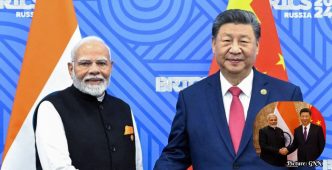

As the 18th Brics Summit approaches, India and China are reportedly working towards revitalizing their economic ties through a framework that includes special economic zones and enhanced trade routes.
The 18th Brics Summit, scheduled to take place on September 12 and 13 in New Delhi, has become a focal point for discussions on the potential renewal of economic ties between India and China. This summit follows the recent Shanghai Cooperation Organization meeting, where leaders from both countries engaged in dialogue on collaborative strategies. While speculation surrounds a possible visit from Chinese President Xi Jinping to the summit, official confirmation from his office remains pending.
India-China relations have long been characterized by a cycle of high-level diplomatic engagements, often culminating in grand announcements of potential investments following the resolution of bilateral disagreements. This pattern reflects the complexities inherent in the relationship, shaped by both nations’ strategic ambitions and regional dynamics. The upcoming Brics Summit serves as a critical opportunity for India and China to address these historical issues and explore avenues for economic cooperation.
Exploring New Economic Frameworks
Recent reports indicate that India and China are contemplating the establishment of a comprehensive economic framework aimed at facilitating trade and investment. One proposal under consideration is the creation of a special economic zone that would enhance maritime trade routes. Additionally, discussions are underway regarding an export-processing zone in India, which would be developed with Chinese investment to cater to third-country markets. These initiatives underscore a strategic shift towards strengthening economic collaboration between the two nations.
However, the realization of these ambitious plans hinges on effective regulatory cooperation and mutual policy alignment. Experts assert that while the summit may yield headline-grabbing investment pledges, the real challenge lies in the speed and efficiency with which both governments can implement these agreements. Regulatory environments in both countries will play a crucial role in determining the success of proposed investments and the overall effectiveness of economic re-engagement.
Regulatory Challenges and Opportunities
In recent years, India’s investment landscape has undergone significant transformations, particularly concerning foreign investments from neighboring countries. The introduction of Press Note 2 (2026 series) marked a notable policy shift, allowing non-controlling beneficial ownership of up to 10% via the automatic route, subject to sectoral caps. This policy adjustment aims to facilitate foreign direct investment (FDI) while balancing national security considerations.
As India and China navigate potential economic collaborations, addressing the regulatory landscape is essential. The ability of Chinese investors to engage with India’s economic zones will depend not only on the specific terms of investment but also on the broader geopolitical climate. Ongoing tensions related to territorial disputes and trade imbalances could complicate the implementation of agreements forged at the Brics Summit.
Historical Context of India-China Relations
The historical backdrop of India-China relations adds complexity to their current diplomatic engagements. The two nations share a long and contentious history, marked by a border conflict in 1962 and ongoing disagreements over territory and influence in the region. Despite these tensions, both countries have recognized the importance of economic cooperation in fostering stability and growth.
In recent years, both governments have made efforts to engage in dialogue and find common ground on various issues. For instance, the establishment of the India-China Economic and Trade Cooperation Forum in 2015 aimed to enhance bilateral trade and investment. However, periodic flare-ups over border disputes and geopolitical rivalries continue to pose challenges to sustained collaboration.
Implications for Regional Stability
The potential economic partnership between India and China carries significant implications for regional stability and development. Both countries are pivotal players in the global economy, and their collaboration could pave the way for enhanced trade relations not only between themselves but also with neighboring countries and beyond. The establishment of economic zones and increased investment could lead to job creation, infrastructure development, and technological exchanges, ultimately benefiting local economies.
Nevertheless, analysts caution that economic cooperation must be pursued with an acute awareness of the historical tensions that have marred India-China relations. The success of any new economic framework will depend on a commitment to address longstanding grievances and cultivate a spirit of collaboration. As both nations prepare for the Brics Summit, the international community remains watchful, hopeful for a positive shift in bilateral relations that could contribute to regional peace and stability.
Conclusion: A Critical Juncture for Bilateral Relations
In summary, the upcoming Brics Summit signifies a pivotal moment for India and China as they explore pathways for enhanced economic engagement. The focus on mutual policy coordination and strategic investments offers the potential to reshape the economic landscape in Asia. However, the challenges of navigating regulatory frameworks and overcoming historical tensions remain substantial. The outcomes of the summit will be instrumental in determining the future trajectory of India-China relations and their implications for the broader geopolitical landscape.