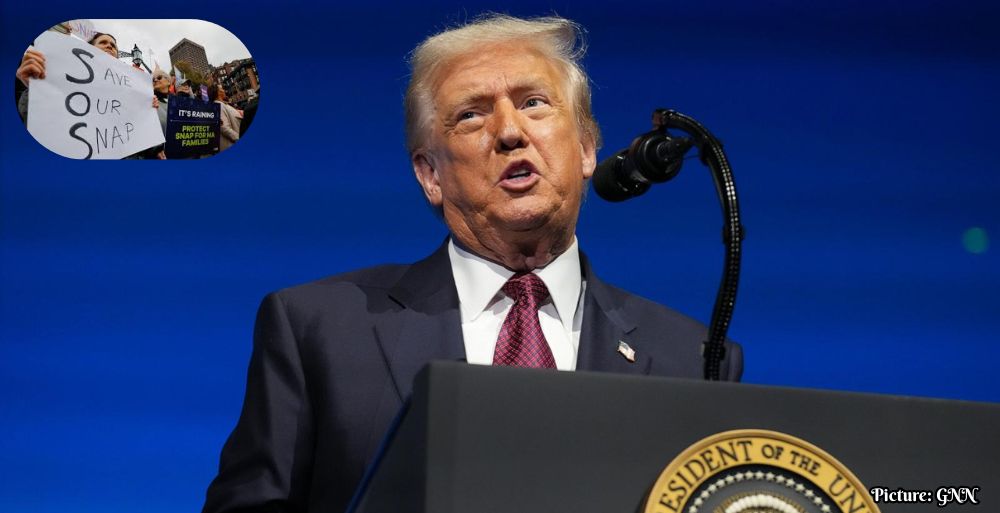
A federal judge has temporarily barred the Trump administration from enforcing new conditions on federal nutrition funding that states argue could disrupt vital assistance programs for low-income families.
On June 5, 2026, U.S. District Judge Myong Joun issued a preliminary injunction preventing the enforcement of new requirements tied to billions of dollars in federal nutrition funding. The ruling affects a coalition of 20 states and the District of Columbia, who contend these new conditions pose a significant threat to programs that serve low-income families across the nation.
Judge Joun’s decision came in response to a lawsuit filed by the coalition, which includes several Democratic-led states like California, Massachusetts, and New York. They argued that the U.S. Department of Agriculture (USDA) had overstepped its authority by imposing conditions that are not only vague but also unrelated to the core functions of nutrition assistance and agricultural programs.
Background of the Lawsuit
The lawsuit, initiated in March 2026, specifically challenged USDA directives that required states to certify compliance with an array of federal policies as a condition for receiving crucial funding. Among the controversial provisions included in the USDA’s directives were stipulations related to immigration enforcement, “gender ideology,” and “fair athletic opportunities” for women and girls.
The plaintiffs argued that these requirements introduced what they termed “unconstitutional and unlawful roadblocks” between federally authorized nutrition programs and state administrations. They emphasized that the vague nature of these requirements could jeopardize essential nutrition assistance, agricultural research, and the overall integrity of food supply systems.
Massachusetts Attorney General Andrea Joy Campbell, a key figure in the coalition, described the USDA’s funding as “a lifeline” for families in need. The states collectively receive over $74 billion annually from various USDA programs, underscoring the critical nature of these funds for food security initiatives nationwide.
Arguments from the Trump Administration
In defense of the challenged requirements, attorneys for the Trump administration argued that the conditions were essential for enhancing federal oversight of taxpayer-funded programs. They contended that these stipulations were designed to promote responsible stewardship of federal funds and to ensure that program recipients comply with established federal laws and regulations.
Government attorneys maintained that if states are required to adhere to federal anti-discrimination laws in order to receive federal funding, it is reasonable that other federal policies should also be imposed similarly. This argument reflects a broader administrative philosophy that seeks to integrate various aspects of federal oversight into state-administered programs.
Implications for Nutrition Assistance Programs
The implications of Judge Joun’s ruling extend well beyond the Supplemental Nutrition Assistance Program (SNAP), which currently assists approximately 39 million Americans in accessing groceries. The lawsuit also raises concerns about the potential impact on other critical federal nutrition initiatives, including school meal programs and the Special Supplemental Nutrition Program for Women, Infants, and Children (WIC).
With funding from the USDA being a lifeline for many local food assistance programs, the outcome of this legal battle could have far-reaching consequences for food security in the United States. The preliminary injunction serves as a temporary relief for states concerned about the potential disruptions to essential food programs while the matter is litigated.
Future Developments and Reactions
As the case progresses, observers are keenly awaiting Judge Joun’s forthcoming written memorandum, which is expected to detail the legal reasoning behind the injunction. This document may provide further insights into the court’s interpretation of the balance between federal authority and state administration of nutrition assistance programs.
In the wake of the injunction, several state attorneys general expressed their satisfaction with the ruling. New York Attorney General Letitia James remarked on social media that her office would remain vigilant in its efforts to protect federal funding for these essential programs during the ongoing legal proceedings.
The ruling also highlights a pivotal moment in the ongoing national debate regarding the intersection of federal oversight, state autonomy, and the administration of social welfare programs. As the political landscape evolves, this case could serve as a benchmark for future legal challenges concerning federal funding conditions and their implications for state agencies.
In summary, while the preliminary injunction provides temporary relief for states relying on USDA funding, the broader implications of this legal battle will continue to unfold. As the Trump administration’s directives become subject to judicial scrutiny, the outcome may ultimately reshape the framework within which states operate their nutrition assistance programs.