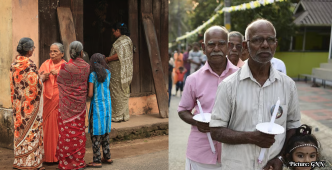

Kerala, which has the largest elderly population in India, is embarking on a significant initiative to enhance geriatric care with the formation of a dedicated department, as the percentage of seniors is projected to rise sharply in the next decade.
THIRUVANANTHAPURAM: In a move aimed at addressing the challenges posed by an increasingly aging population, Kerala Chief Minister V D Satheesan announced the establishment of a dedicated department for the elderly during his first Cabinet meeting. This initiative comes at a time when Kerala, recognized for its high life expectancy, also grapples with inadequate organized care programs for its senior citizens.
The demographic profile of Kerala is shifting significantly, with the elderly population currently accounting for approximately 18.7% of the total population. Forecasts suggest that this figure could rise to 22.8% over the next decade, highlighting an urgent need for comprehensive policies tailored to meet the needs of this demographic. The rise in the elderly population is attributed to a combination of declining birth rates and improved healthcare, which has resulted in longer life spans.
Health Challenges Faced by Seniors
As the elderly population continues to grow, many seniors are contending with a variety of chronic health conditions. Common ailments include diabetes, hypertension, high cholesterol, and a range of age-related eye diseases such as cataracts and glaucoma. Health experts emphasize the necessity of implementing effective healthy aging plans starting as early as the age of 30, advocating for lifestyle modifications and proactive management of chronic conditions. Regular health check-ups, annual screenings, and preventive vaccinations are essential components of these strategies, serving to prevent or mitigate serious health issues later in life.
Moreover, effective medication management is critical, especially considering the decline in kidney function that often accompanies aging. In Kerala, the prevalence of diabetes is notably high, with recent studies indicating that approximately 25.56% of the population is affected, making it the state with the highest diabetes rates among major Indian states. Poor management of diabetes in younger years can lead to severe complications in old age, resulting in healthcare costs that can increase fivefold, alongside significant mental distress for patients and their families.
Importance of Physical Activity and Mental Wellbeing
Despite the recommendations from health experts for daily physical activity among seniors, less than 10% of elderly individuals in India meet the suggested exercise levels. The role of non-medical interventions in geriatric care is crucial, as many seniors experience issues such as depression, anxiety, and sleep disorders. Addressing these mental health concerns is vital for improving the overall quality of life for the elderly.
Social Factors and Support Systems
Another significant issue in Kerala’s elderly population is the high percentage of widows, who constitute nearly 55% of seniors in the state. Many of these women face loneliness and lack adequate caregiving support in their later years. Experts have called for a comprehensive approach to address the psychosocial challenges faced by elderly women living alone, emphasizing the importance of community and family support systems.
The challenges associated with geriatric care in Kerala are multifaceted and require a systemic overhaul. While the establishment of the new department marks a positive step forward, much remains to be done to improve the quality of life for seniors and their caregivers. The proposed department is tasked with introducing a comprehensive policy framework that ensures not only access to regular medical care but also sustenance and emotional support for the elderly.
Future Directions for Geriatric Care in Kerala
The new department for the elderly is expected to develop strategies that encompass various aspects of geriatric care, including preventive healthcare, mental health services, and social support systems. Considering the high costs associated with elderly healthcare, particularly for chronic illnesses, the policy must address these issues holistically. This involves collaboration between policymakers, non-governmental organizations, healthcare institutions, and community members.
Furthermore, the successful implementation of organized geriatric care programs will require the involvement of dedicated professionals, including doctors, nurses, and social workers. The aim is not only to prolong life but also to ensure that the additional years are accompanied by a high quality of life. As Kerala navigates its demographic transition, a commitment to improving geriatric care will be essential for creating a sustainable and supportive environment for its aging citizens.
In conclusion, the challenges posed by an aging population in Kerala necessitate urgent and strategic action. The establishment of a dedicated department for the elderly is a promising initiative, but it must be supported by robust policies and community engagement to effectively address the needs of seniors. The future of geriatric care in Kerala hinges on the ability to adapt to these demographic changes while ensuring that the rights and dignity of the elderly are upheld.