The United States has overtaken Gulf nations to become the primary supplier of liquefied natural gas (LNG) and liquefied petroleum gas (LPG) to India in May 2026, a development driven by disruptions in the Strait of Hormuz and changing energy trade dynamics.
In May 2026, the United States emerged as the leading supplier of liquefied natural gas (LNG) and liquefied petroleum gas (LPG) to India, significantly surpassing shipments from Gulf countries. This shift is attributed to ongoing disruptions in the Strait of Hormuz, a vital shipping channel for energy supplies that has been impacted since tensions escalated following military actions involving the U.S. and Israel against Iran in late February 2026.
Data from Kpler indicates that the U.S. exported 630,000 tonnes of LPG to India during May, representing a 60% increase compared to the total of 380,000 tonnes supplied by all Gulf nations combined. Additionally, U.S. shipments of LNG reached 900,000 tonnes, accounting for more than 40% of India’s total LNG demand, marking a threefold increase from April 2026. This surge in exports reflects shifting priorities in energy sourcing amid geopolitical tensions.
Shifting Energy Trade Dynamics
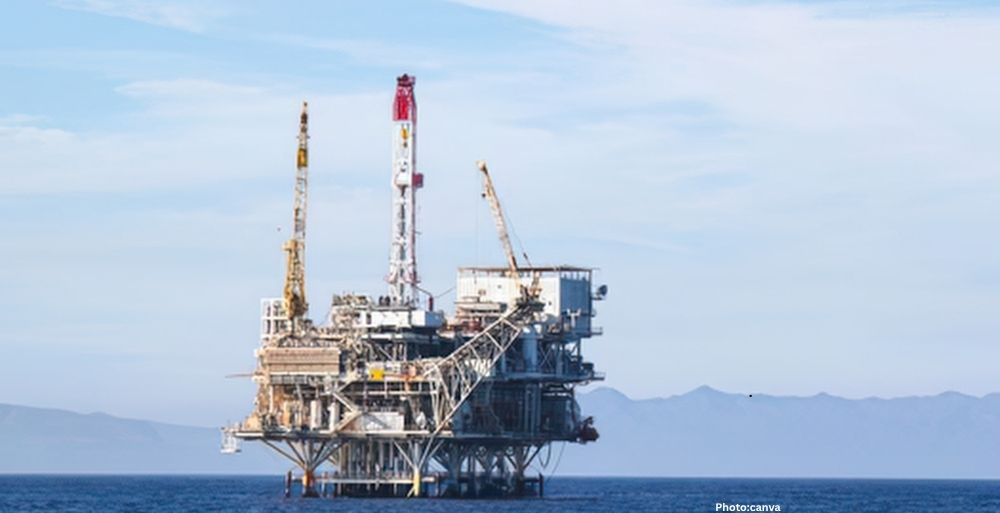
The increase in U.S. energy exports to India is not solely a reaction to current geopolitical events; it also aligns with a broader strategic maneuver by Washington to deepen energy ties with New Delhi. Experts believe this trend will continue, with increased focus on gas trade. Sumit Ritolia, a lead research analyst at Kpler, noted that the U.S. is uniquely positioned to cater to India’s need to diversify its gas supply, thanks to abundant shale resources and a growing export infrastructure.
Prior to the conflict, high freight costs had hindered the competitiveness of U.S. gas in the Indian market. However, the disruption of Gulf supplies has altered market dynamics, making U.S. shipments more appealing. Manish Sejwal, senior vice president at Rystad Energy, explained that the Middle Eastern LPG supply had traditionally outperformed U.S. cargoes on a landed-cost basis, limiting U.S. market penetration until recent months. With the Gulf’s supply chain now more vulnerable, the U.S. has taken advantage of this opportunity.
Projected Growth and Political Considerations
Looking ahead, projections indicate that U.S. LPG exports to India could exceed the 1 million-tonne mark by the end of June 2026. The LPG market is particularly sensitive in India, where it predominantly serves as cooking fuel. Consequently, the Indian government is keen to shield consumers from rising global prices, which complicates the energy sourcing landscape. A report by global brokerage Nomura underscored that the U.S. is the “biggest beneficiary” of India’s shift in gas sourcing, with exports to New Delhi reportedly surging eightfold compared to pre-war levels.
Bineet Banka, an equity research analyst at Nomura, highlighted that Washington has a vested interest in encouraging India to reduce its trade surplus with the U.S., and increasing energy imports could be a strategic avenue. While importing LNG from the U.S. is generally more expensive than sourcing from Gulf countries, Banka pointed out that India’s options are narrowing as it seeks reliable energy supplies amidst escalating geopolitical tensions.
Economic Implications and Future Outlook
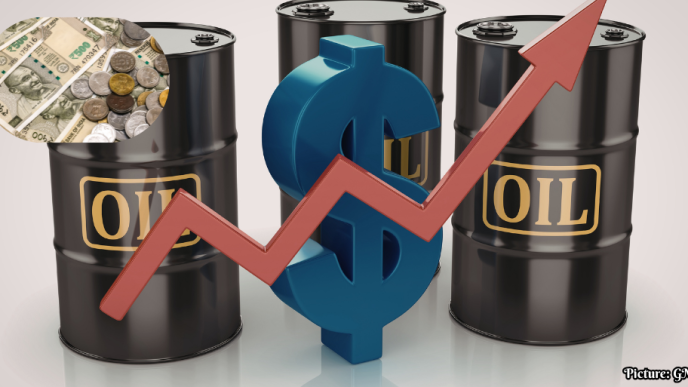
The ongoing conflict and shifts in energy sourcing have had tangible effects on the Indian economy. The Indian rupee has weakened against the dollar, partly due to the rising energy import bill. India ranks as the world’s third-largest crude oil importer, fourth-largest LNG importer, and second-largest LPG importer, underscoring its reliance on foreign energy sources.
With these dynamics in mind, the Indian government faces the challenge of ensuring energy security while managing costs for consumers and balancing trade deficits. The strategic pivot towards U.S. energy supplies may provide a buffer against geopolitical risks associated with the Gulf region, but it also raises questions about long-term sustainability and pricing stability.
In conclusion, the recent emergence of the U.S. as a leading supplier of LNG and LPG to India not only highlights a significant shift in international energy dynamics but also points to a changing landscape in U.S.-India relations. As both countries navigate the complexities of energy trade amid geopolitical tensions, the implications of this new partnership will likely play a crucial role in shaping energy security and economic policies in the region. The evolving nature of this relationship signals a potential reconfiguration of global energy supply chains, with long-lasting effects on energy markets around the world.