Approximately 500 members of the Indian diaspora gathered in New York City to protest against the Indian government’s policies, echoing widespread protests occurring in India.
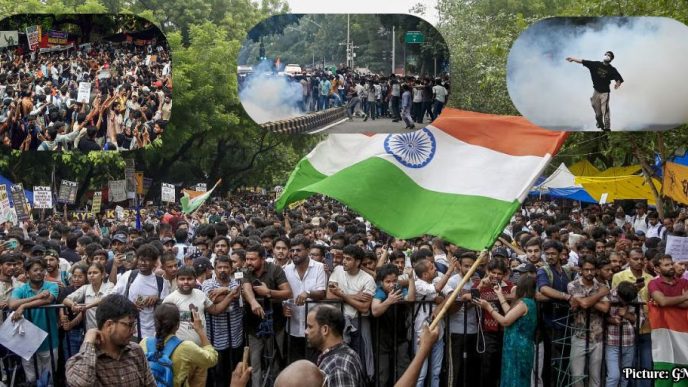
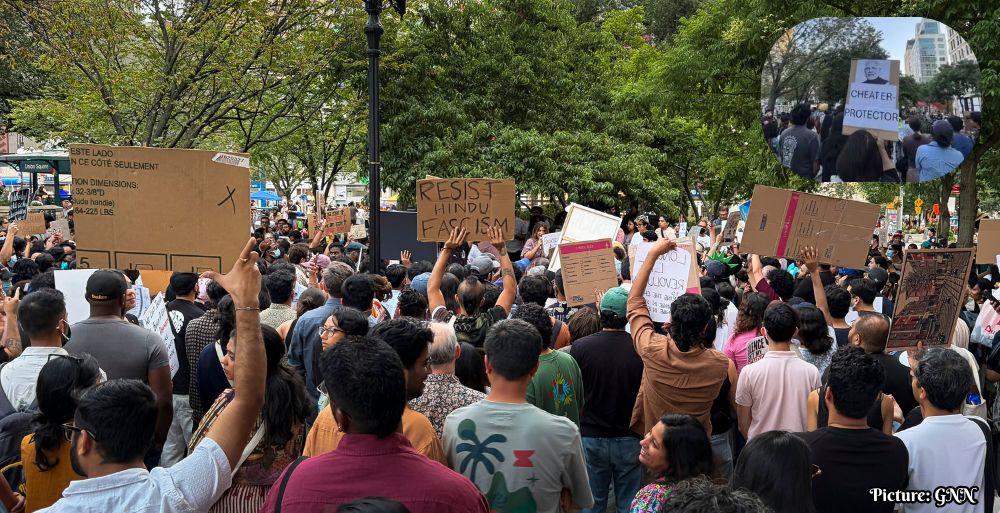
On Friday, September 22, 2023, around 500 individuals from the Indian diaspora gathered in Union Square, New York City, to express their discontent with the Indian government. This demonstration was part of a broader wave of protests that have emerged globally, mirroring significant unrest in India, particularly among young people disillusioned with corruption and limited job opportunities.
The gathering in Union Square featured participants chanting slogans in Hindi, including “we will take our freedom,” which underscored the urgency and frustration felt by many regarding the current political climate in India. Among the attendees was 25-year-old Aarsh Chauhan, a finance student at Baruch College, who described himself as “apolitical” but felt compelled to join the protests after witnessing videos of police violence against demonstrators in India.
Context of the Protests
This protest in New York was part of a larger trend, with similar demonstrations taking place in cities like Los Angeles, London, Prague, Berlin, and Vancouver. These protests were prompted by a series of recent events in India, where tens of thousands of Gen Z and millennial citizens have taken to the streets. These protests mark one of the largest public outcries against government policies in recent years, reflecting a growing dissatisfaction with the administration led by Prime Minister Narendra Modi.
Recent studies indicate that India’s youth, which comprises more than 50% of the population, has been particularly vocal about their grievances. Issues central to these protests include widespread corruption, inadequate job prospects, and perceived failures within the education system. Shonita Joshi, a 36-year-old actor originally from Mumbai, attended both demonstrations in Union Square and articulated a poignant sentiment shared by many: “You know the moment in your life when you realize the systems you believe in no longer protect you. The young people in India have come to realize that.” This statement captures a growing disillusionment with the governmental structures that many young Indians once trusted to safeguard their rights and futures.
The Cockroach Janta Party
The protests were notably inspired by the creation of the Cockroach Janta Party, a satirical political party formed in May 2023 by Abhijeet Dipke, a Boston University graduate. This unconventional party was established as a response to the perceived failures of India’s traditional political structures, aiming to engage younger voters through humor and satire. The name itself is a metaphor for resilience and adaptability, qualities that Dipke believes are essential for political engagement in today’s India.
As the protests continue to gain momentum, they reflect a significant shift in political engagement among the Indian diaspora, particularly within younger generations. This demographic is increasingly vocal about their dissatisfaction with the status quo, leveraging their positions abroad to amplify the voices of dissent against the Indian government.
Global Implications
The ongoing demonstrations in New York and other cities carry potential implications for the Indian government, which has faced scrutiny over its handling of dissent and political opposition. The international attention garnered by these protests could serve as a catalyst for change, pressuring Indian authorities to address the concerns raised by both domestic and diaspora protesters. As these movements continue to unfold, the implications for India’s political landscape may be significant, potentially reshaping the relationship between the government and its citizens, both at home and abroad.
The protests also highlight a broader trend of diaspora communities rallying around issues affecting their home countries. By participating in demonstrations abroad, members of the Indian diaspora are not only expressing their discontent but also forging connections with like-minded individuals, both in India and globally. This interconnectedness of global activism signifies a powerful shift in how political discourse is shaped and influenced across borders.
Conclusion
The protests organized by the Indian diaspora in New York serve as a microcosm of a larger global movement advocating for change in India. As these events unfold, they underscore the vital role that diaspora communities play in influencing political discourse and mobilizing support for critical issues. The ongoing unrest in India, characterized by a generation of young people demanding accountability and reform, is likely to have lasting ramifications not only for the Indian government but also for how political engagement is understood and pursued globally.
As the situation evolves, the relationship between the Indian government and its citizens, both within the country and abroad, will continue to be tested. The voices of protesters, like those gathered in Union Square, are indicative of a growing demand for change that resonates well beyond the borders of India. The protests signify not only a rejection of the current political climate but also an assertion of the rights and aspirations of a new generation determined to make their voices heard.