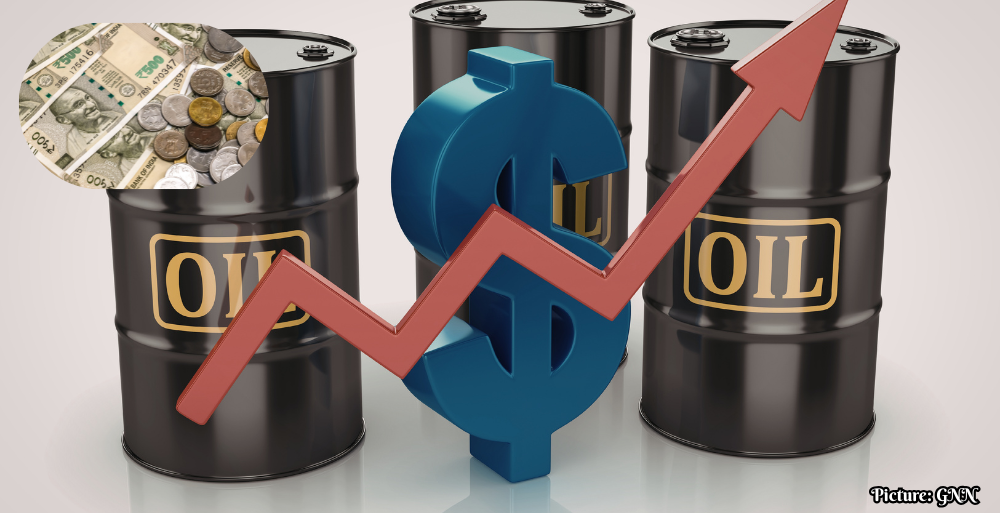
The Indian rupee has declined against the US dollar, driven by increased dollar demand from oil companies, nearly offsetting previous gains supported by intervention from the Reserve Bank of India.
The Indian rupee faced significant depreciation on September 25, 2023, as the currency weakened to 83.25 against the US dollar. This decline, which marked a 0.13% loss for the day, was primarily influenced by heightened dollar demand from oil importers preparing for increased import costs amid rising global crude oil prices. The rupee’s fall nearly erased earlier gains that had been achieved through the Reserve Bank of India’s (RBI) interventions, highlighting ongoing economic vulnerabilities amidst fluctuating oil prices and foreign exchange markets.
Market Dynamics and Currency Movements
On the day of trading, the rupee opened at 83.19 per dollar before slipping further to 83.25. This movement illustrates the immediate market reaction to the increased dollar demand linked to oil importers’ expectations of higher import bills. Geopolitical tensions and ongoing supply chain disruptions have contributed to a surge in crude oil prices, which recently crossed the $90 per barrel mark. Such fluctuations directly affect the Indian economy, particularly its current account deficit and inflation rates.
Prior to this decline, the RBI had undertaken measures to stabilize the rupee, which had been trading within a narrow band of 82.95 to 83.10 for much of the month. The central bank’s interventions aimed to curb market volatility and mitigate the adverse effects of high oil prices, which can significantly influence the Indian economy due to its status as one of the largest crude oil importers worldwide.
Impact of Oil Prices on the Indian Economy
India’s dependency on oil imports is profound, with oil accounting for nearly 30% of the country’s total imports. This reliance means that any significant fluctuations in global oil prices can have immediate and far-reaching economic consequences. Analysts note that the recent rise in oil prices poses a challenge for the Indian economy, potentially widening the current account deficit and exerting further downward pressure on the rupee.
As of late September 2023, the price of crude oil has surged, raising concerns about trade imbalances and inflationary pressures within India. Sustained high oil prices are expected to result in a growing current account deficit, which, if coupled with rising demand for dollars, could exacerbate the rupee’s depreciation.
Analyst Perspectives on Currency Stability
Financial analysts have voiced concerns regarding the sustainability of the rupee’s value in light of these economic challenges. Ritesh Bhatia, a senior economist, commented, “The consistent demand for dollars from oil companies is a concerning trend for the rupee. Unless there is a significant reduction in global oil prices, we may continue to see downward pressure on the currency.” This sentiment reflects a broader concern regarding the implications of prolonged high oil prices on India’s economic stability.
In addition to market forces, the effectiveness of the RBI’s interventions is under scrutiny. Although the central bank maintains a healthy foreign exchange reserve position estimated at approximately $600 billion, the effectiveness of direct market interventions remains a topic of debate. Some economists argue that simply intervening in the forex market may not be enough to address the underlying economic challenges, particularly in a context where external factors like oil prices dominate currency dynamics.
Long-Term Implications for Monetary Policy
The depreciation of the rupee and the corresponding rise in dollar demand have significant implications for India’s monetary policy framework. The RBI is tasked with the dual objective of maintaining price stability and fostering economic growth—an increasingly challenging endeavor given the current inflationary pressures driven by rising oil prices.
As inflation escalates, the RBI may face pressure to adjust interest rates to curb the impacts of a weaker rupee on domestic prices. This potential adjustment could have widespread implications for borrowing costs, investment decisions, and overall economic growth across various sectors.
Conclusion and Future Outlook
The recent decline of the Indian rupee against the US dollar serves as a critical reminder of the complexities involved in managing a national currency within a volatile global economic environment. The interplay of escalating oil prices, fluctuating currency values, and monetary policy considerations will continue to influence the Indian economy in the near term.
As policymakers navigate these multifaceted challenges, the focus will likely remain on strategies for stabilizing the rupee, managing inflation, and promoting sustainable economic growth. Financial market stakeholders will be closely monitoring developments related to crude oil prices and RBI policy actions as they assess the future trajectory of the Indian rupee and its implications for the broader economy.