
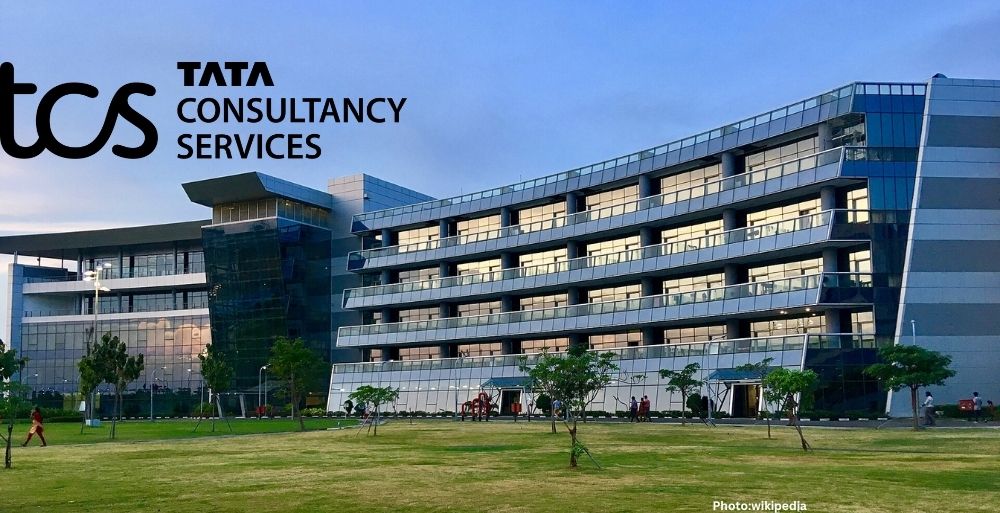
Tata Consultancy Services is set to incur a $70 million financial charge after the U.S. Supreme Court declined to review a lower court ruling in its legal dispute with DXC Technology, exacerbating the ongoing financial and reputational challenges for the IT services giant.
Tata Consultancy Services (TCS), one of the largest IT services companies globally, is bracing for a substantial financial impact following the U.S. Supreme Court’s refusal on June 15, 2024, to review its ongoing legal dispute with DXC Technology, previously known as Computer Sciences Corporation (CSC). This decision has compelled TCS to recognize an additional provision of $70 million for damages, interest, and legal costs, which will be recorded as a one-time exceptional expense in the first quarter of fiscal year 2026-27.
Details of the Legal Dispute
The legal conflict between TCS and DXC Technology revolves around allegations that TCS misappropriated trade secrets belonging to DXC. The case has drawn considerable attention in the tech industry due to its implications for corporate governance and intellectual property rights. In a previous ruling, the U.S. Court of Appeals for the Fifth Circuit upheld a significant damages award of $194.2 million in favor of DXC, marking a critical loss for TCS that has now been reinforced by the Supreme Court’s decision not to intervene.
Prior to this latest provision, TCS had already allocated $150 million in its financial accounts to cover potential liabilities related to the litigation, reflecting a proactive approach in compliance with applicable accounting standards. With the new $70 million provision, TCS’s total reserves earmarked for this case have escalated to $220 million, indicating the serious financial ramifications of this legal battle.
Investor Reactions and Market Dynamics
The market’s reaction to the Supreme Court’s decision was mixed. Despite the adverse legal developments, TCS shares saw a modest increase of over 2 percent, closing at Rs 2,208.50 on the Bombay Stock Exchange (BSE) the day after the Supreme Court ruling. This resilience in stock price underscores investors’ confidence in TCS’s broader business model despite ongoing legal challenges. Over the past year, TCS shares have demonstrated significant volatility, reaching a 52-week high of Rs 3,539.45 and a low of Rs 2,110.00, reflecting the dynamic nature of the IT services market.
TCS has committed to keeping its investors informed, having issued regulatory disclosures in June 2024 and November 2025 detailing the ongoing litigation and its financial implications. However, the company has not provided further insights into the broader financial impact of the Supreme Court ruling beyond the newly announced provision.
Broader Implications for TCS and the IT Sector
The Supreme Court’s decision not to review the Fifth Circuit’s ruling places TCS in a precarious position as it confronts the financial and reputational ramifications of this legal challenge. The outcome of this case could set critical precedents for how trade secret disputes are handled in the future, particularly within the technology and consulting sectors. The implications extend beyond TCS, potentially influencing how companies approach trade secret protections and litigation strategies in a highly competitive industry.
Industry analysts are closely monitoring the situation, recognizing that the legal landscape surrounding trade secret disputes is complex and evolving. The precedents set by this case could affect not only TCS but also other technology firms that rely heavily on intellectual property rights for their competitive advantage. As the legal battle continues, TCS will need to reassess both its legal strategies and its broader financial planning to navigate the potential long-lasting effects of this ruling.
Legal and Financial Strategies Moving Forward
In light of the Supreme Court’s decision, TCS may need to enhance its legal strategies to mitigate further risks and prepare for potential future litigation. The company’s approach to intellectual property management and trade secrets will likely come under scrutiny as stakeholders assess the effectiveness of its current practices. Moreover, TCS might consider diversifying its risk management strategies to buffer against similar legal disputes that could arise in the future.
Furthermore, as TCS continues to grapple with the financial fallout from this legal setback, its leadership may need to engage in transparent communication with shareholders and the public to maintain trust and confidence. Stakeholders will be keenly interested in how TCS manages its legal obligations while continuing to drive business growth in an increasingly competitive environment.
The outcomes of such disputes often reverberate through the industry, influencing not only the companies directly involved but also shaping the regulatory environment in which they operate. As the tech sector evolves and the importance of intellectual property continues to grow, the ramifications of the TCS-DXC case could have far-reaching implications for corporate strategies and legal frameworks across the industry.