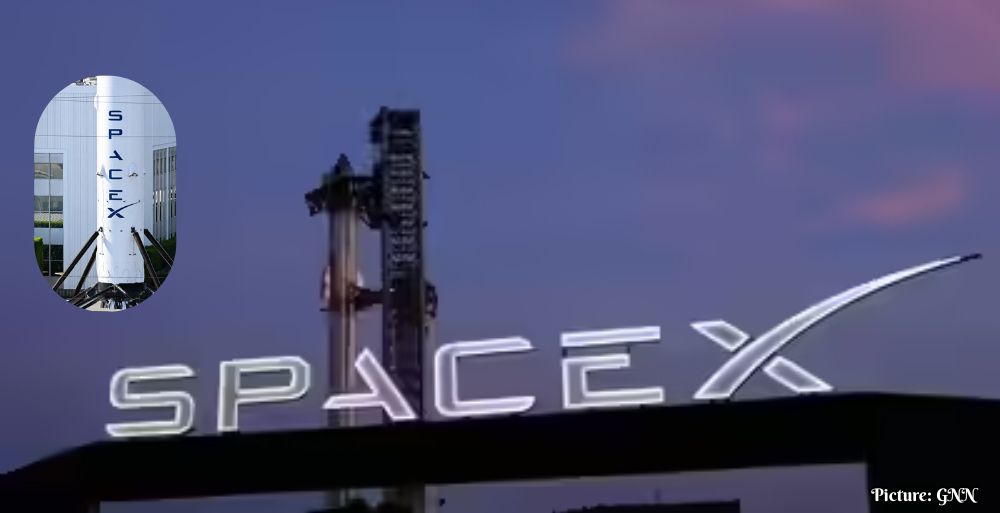
The initial public offering of SpaceX on Thursday, which raised $75 billion, is the largest in history, propelling CEO Elon Musk’s net worth to potentially over $1 trillion as shares begin trading today.
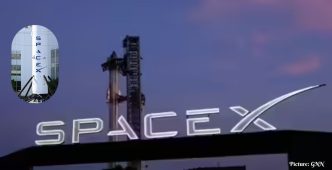
NEW YORK, NY — SpaceX, the aerospace company founded by Elon Musk in 2002, officially embarked on its journey as a publicly traded entity on Thursday, marking a significant moment in financial history. The company sold 556 million shares at an initial price of $135 each, raising a staggering $75 billion. This initial public offering (IPO) is now recognized as the largest in history, valuing SpaceX at approximately $1.77 trillion.
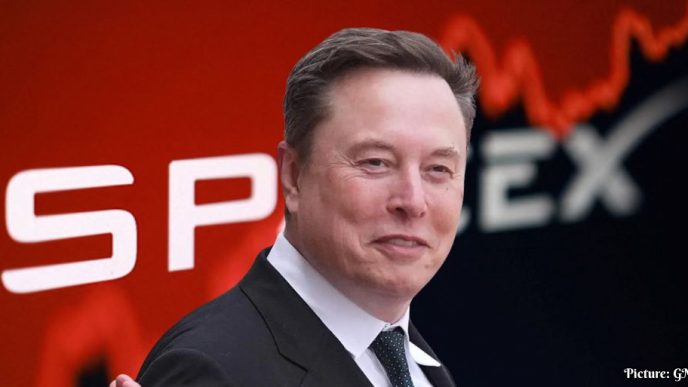
The excitement surrounding the IPO was palpable, with Musk ringing the Nasdaq opening bell at SpaceX headquarters in Starbase, Texas. Crowds gathered in both Texas and New York City to celebrate this milestone, underscoring the public’s fascination with Musk and his ventures.
Market Conditions and Trading Dynamics
As the broader U.S. stock market opened on Friday, analysts noted mixed trading conditions. The Dow Jones Industrial Average rose by 298 points, or 0.6%, while the S&P 500 and Nasdaq Composite experienced slight declines of 0.1%. Despite these fluctuations in the market, SpaceX’s shares were anticipated to start trading later in the day, contingent on the coordination of bankers and brokerage firms working behind the scenes.
In the lead-up to SpaceX’s debut, the Nasdaq experienced notable volatility. A week prior, the tech-heavy index encountered its worst trading day of the year, yet managed to bounce back with its best day since April shortly before the IPO. Analysts attributed this volatility to traders potentially selling stocks to generate cash for SpaceX shares or waiting for the IPO to unfold. Sam Grelck, an equity strategy analyst at Truist, remarked, “The projected size and retail participation are likely to drive significant volatility alongside excitement around the SpaceX IPO.”
Financial Overview and Future Ambitions
SpaceX’s substantial revenue generation is noteworthy, with the company reporting $18.7 billion in sales last year, reflecting a 33% increase from the previous year. However, this growth comes alongside significant financial losses, with the company registering losses of $4.9 billion in 2025 and $4.3 billion in the first quarter of 2026. Much of this expenditure is attributed to a heavy investment in artificial intelligence, which totaled $12.7 billion last year and $7.7 billion in early 2026.
Musk’s ambitions extend beyond the immediate horizon, as SpaceX aims to establish data centers in space, leveraging solar energy for cooling and power. The company also harbors grand aspirations, including the establishment of colonies on Mars and the Moon. If successful, these ventures could further elevate Musk’s wealth, which is already projected to surpass $1 trillion following the IPO.
Elon Musk’s Financial Standing
As of Friday, Musk’s net worth was estimated at $971 billion, with the potential to reach $1 trillion based on the performance of SpaceX shares. Musk owns just under half of SpaceX, which translates to approximately $867 billion in value at the IPO valuation. Additionally, his holdings in Tesla, worth around $279 billion, contribute to his overall wealth.
Despite this impressive valuation, Musk’s wealth remains largely theoretical, as it is deeply tied to the stock market’s perception of his companies rather than liquid cash reserves. This aspect has led to skepticism among some investors, who caution against the speculative nature of the market surrounding Musk’s enterprises.
Investor Sentiment and Market Speculation
While there is considerable enthusiasm for SpaceX’s stock, not all investors are convinced of its long-term value. Mike O’Rourke, chief market strategist at JonesTrading, characterized the IPO as a reflection of broader issues within Wall Street, stating, “The largest IPO in history is a perfect storm of everything that is wrong with Wall Street and the clearest signal that we are in the midst of an equity market bubble.” He further predicted that the financial markets would assign over $3.25 trillion in equity market value to Musk’s enterprises based more on vision than profit generation.
Others have echoed similar sentiments, with veteran investor James Chanos describing the SpaceX IPO as a “hopes-and-dreams IPO,” driven largely by speculative fervor for artificial intelligence and Musk’s reputation. Analysts from Morningstar have suggested that SpaceX is significantly overvalued, estimating its worth at $780 billion, and recommending that investors wait for more favorable purchasing opportunities.
Conclusion
As SpaceX prepares for trading under the ticker SPCX on the Nasdaq, the implications of this IPO extend beyond mere financial metrics. Its success or failure could have far-reaching effects on the market’s perception of technology and innovation firms, particularly those helmed by charismatic leaders like Musk. The coming days and weeks will reveal how investors respond to SpaceX’s entry into the public market and what it signifies for the future landscape of both aerospace and artificial intelligence industries.