President Donald Trump has announced significant progress in negotiations with Iran aimed at finalizing a deal to end the ongoing conflict, coinciding with the cancellation of scheduled military strikes against the nation.
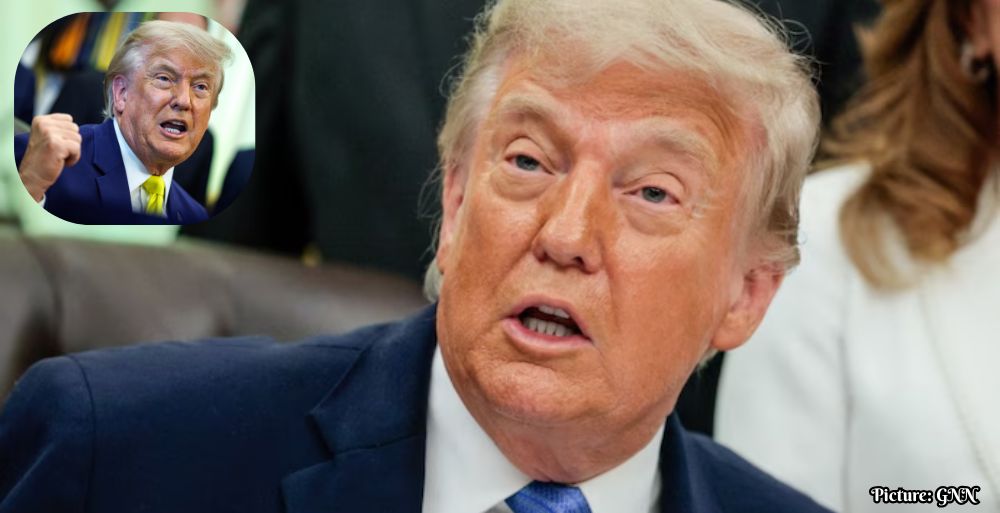
In a notable shift in U.S.-Iran relations, President Donald Trump declared on Thursday that negotiators have made considerable strides toward finalizing an agreement intended to conclude the protracted conflict with Iran. Speaking to reporters from the Oval Office, Trump expressed optimism that a signing ceremony could occur in Europe as early as this weekend, suggesting that the deal is nearing completion.
“We just made a great settlement of the war with Iran,” Trump stated, emphasizing that the documents related to the agreement are in their final stages. He reiterated that the primary goal of the U.S. administration’s strategy has been to ensure that Iran does not acquire nuclear weapons, a theme he consistently underscores in discussions regarding Iran.
Iran’s Position on the Near Completion of the Deal
In a statement reflecting Trump’s comments, Iranian foreign ministry spokesperson Esmail Baghaei acknowledged that the text of the agreement with the United States is “mostly finalized.” Baghaei’s remarks, made during a phone call broadcast on Iranian state television, indicated that while there is optimism, inconsistencies in the U.S. stance have complicated the negotiation process.
During his announcement, Trump suggested that the reopening of the Strait of Hormuz—a vital artery for global oil transport—would occur following the agreement’s finalization. Reports indicate that Geneva is being considered as a venue for the potential signing, with sources suggesting an announcement could be made as early as Sunday.
Trump Critiques Iranian Media Reports
Despite the seemingly positive momentum, Trump criticized Iranian media reports concerning the negotiations, labeling them as inaccurate and misleading. In a post on Truth Social, he stated, “The terms that Iran leaked out to the Fake News have NOTHING to do with the terms that were agreed to, in writing.” He emphasized the importance of the Iranian regime adhering to the agreed-upon terms and urged them to “get their act together.”
Additionally, Trump condemned recent military actions by Iran, including an alleged drone attack on commercial vessels, calling such behavior “TOTALLY UNACCEPTABLE.” This underscores the delicate nature of the negotiations, where military provocations could derail diplomatic efforts.
Expert Opinions on the Feasibility of an Agreement
While the negotiations appear to be advancing, skepticism persists among experts regarding the likelihood of a successful agreement. Rebeccah Heinrichs, a senior fellow at the Hudson Institute, expressed her doubts during a segment on Fox News, stating that she is “not confident” a memorandum of understanding will be signed. Heinrichs argued that the U.S. must maintain a robust military presence in the region, particularly in light of the aggressive actions of Iran’s Islamic Revolutionary Guard Corps (IRGC).
Heinrichs emphasized that the U.S. should continue its current military strategies to ensure safe passage through the Strait of Hormuz and to deter Iranian aggression. She pointed out that recent incidents, including drone attacks targeting commercial vessels, highlight the ongoing risks in this critical maritime region.
Israel’s Stance on Iran’s Nuclear Program
Internationally, Israeli Prime Minister Benjamin Netanyahu has reiterated his firm commitment to preventing Iran from acquiring nuclear weapons. In a statement made Friday, he asserted, “As long as I am the Prime Minister of Israel – Iran will not have nuclear weapons.” Netanyahu expressed alignment with Trump’s position on the necessity of inhibiting Iran’s nuclear ambitions, viewing them as a direct threat to Israel’s existence.
Military Incidents and Ongoing Regional Tensions
The backdrop of these diplomatic efforts is marked by significant military confrontations in the region. U.S. Central Command reported that the Strait of Hormuz remains “open for transit,” despite heightened tensions following Iranian attempts to target commercial shipping with drones. U.S. forces successfully intercepted two Iranian drones that were reportedly aimed at vessels transiting the Strait, underscoring the precarious security situation.
Moreover, the Israel Defense Forces (IDF) have conducted operations targeting Hezbollah positions in southern Lebanon, further indicating the broader regional implications of ongoing U.S.-Iran negotiations. The IDF reported striking over 50 targets associated with Hezbollah, a group supported by Iran, during these operations. This escalation of military activity highlights the interconnected nature of regional conflicts and the potential for diplomatic agreements to impact broader security dynamics.
As the situation evolves, the international community is closely monitoring the negotiations to determine whether a formal agreement will materialize. The implications of such an agreement could reshape U.S.-Iran relations significantly and influence the geopolitical landscape in the Middle East for years to come. The potential reopening of the Strait of Hormuz could ease pressure on global energy markets, which have been strained due to recent military tensions and disruptions in maritime operations.