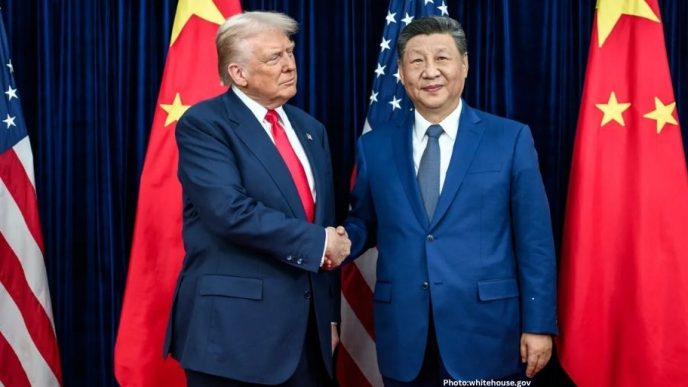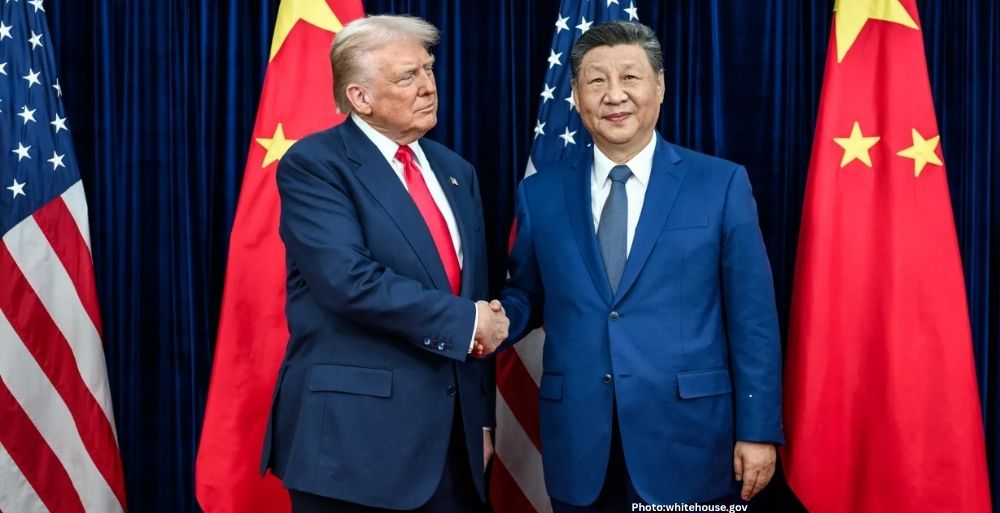
President Donald Trump is set to visit China this week for talks with President Xi Jinping, with critical discussions anticipated on topics ranging from the ongoing war in Iran to U.S.-China trade relations.
President Donald Trump is preparing for a significant state visit to China this week, where he will engage in discussions with Chinese President Xi Jinping. This visit marks Trump’s first official trip to China since 2017 and follows their last in-person meeting in October 2022 during a summit in South Korea. The meeting was initially scheduled for late March but was postponed due to the escalating conflict in Iran. This trip is expected to play a crucial role in shaping the future of U.S.-China relations.
Trump Seeks Chinese Support on Iran
One of the primary issues on the agenda is the ongoing war in Iran, particularly concerning the Strait of Hormuz, a vital shipping route for oil. According to the U.S.-China Economic and Security Review Commission, China and Iran maintain a robust economic, strategic, and diplomatic relationship. Secretary of State Marco Rubio voiced hope that China would leverage its influence to encourage Iran to reduce tensions in the Strait of Hormuz. He remarked, “I hope the Chinese tell him what he needs to be told… You’re the bad guy in this.”
China, as the largest buyer of Iranian oil, faces significant repercussions from the closure of this critical waterway, which has been exacerbated by military conflicts. During a recent Oval Office briefing, Trump indicated that Iran acknowledged that only the U.S. and China possessed the capabilities to retrieve its uranium, underscoring the intertwined nature of these geopolitical challenges.
Trade Relations and Tariffs
Another pressing issue will be the ongoing trade tensions between the U.S. and China. Since the commencement of a trade war last year, tariffs have been a contentious focal point. Trump asserts that he has a positive relationship with Xi, and the two leaders are expected to discuss the establishment of new economic forums, such as a “Board of Trade” and a “Board of Investments,” aimed at fostering dialogue and cooperation in economic matters.
The U.S. and China temporarily resolved some trade disputes last October after Trump and Xi’s previous meeting in South Korea, which led to a reduction of tariffs and commitments for China to purchase U.S. agricultural products. An extension of this truce may be one of the anticipated outcomes of the upcoming discussions.
Taiwan: A Point of Bipartisan Concern
The issue of Taiwan is also likely to be a significant topic of conversation. Both Republican and Democratic senators have urged Trump to reaffirm U.S. support for Taiwan, particularly regarding a proposed $14 billion arms sale. This bipartisan push reflects growing concerns over China’s stance toward Taiwan, which it regards as part of its territory despite the island’s self-governance.
Trump acknowledged the sensitivity of this topic, noting, “President Xi would like us not to” proceed with the arms sale. However, he indicated that Xi would likely raise the issue of Taiwan during their talks, emphasizing the importance of solidifying U.S. support for the island amidst regional tensions.
Human Rights Considerations
Calls for Trump to address human rights issues during his meeting with Xi have intensified, particularly regarding the detention of political prisoners in China. Human rights advocates are urging Trump to advocate for the release of individuals such as former Hong Kong media mogul Jimmy Lai and Christian pastor Ezra Jin, both of whom have faced severe repercussions for their activism.
Trump has expressed intentions to bring up Jin’s situation specifically, highlighting his commitment to addressing human rights concerns in China. Lai’s conviction and Jin’s detention are emblematic of the broader human rights issues that critics argue should be part of the U.S.-China dialogue.
The Future of Artificial Intelligence
The growing competition in artificial intelligence (AI) is also expected to feature prominently in discussions. U.S. officials have indicated that they view this meeting as a pivotal opportunity to establish communication regarding AI and its implications for security. Trump has previously claimed that the U.S. leads in AI development; however, the potential for advanced semiconductor technology remains a critical area of concern as the U.S. has instituted export restrictions that China is attempting to navigate.
As articulated by U.S. officials, establishing a formal channel of communication on AI could be beneficial, given the rapid advancements in the sector and the associated security implications. The outcome of this meeting may provide insights into how both nations plan to approach future cooperation and competition in this vital field.
In summary, Trump’s visit to China is poised to address several high-stakes issues, with the potential to alter the trajectory of U.S.-China relations significantly. The outcomes of these discussions could have lasting implications for trade, regional security, and international cooperation on emerging technologies.