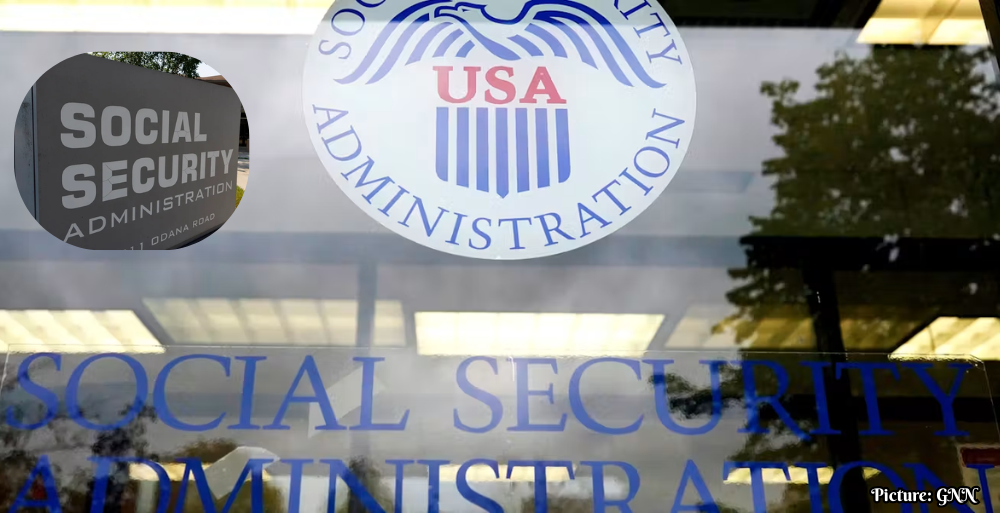
A recent comprehensive study reveals that significant staffing cuts and policy changes at the Social Security Administration have increasingly hindered access to disability benefits for millions of Americans.
The Social Security Administration (SSA) is experiencing a crisis in accessibility following a series of administrative and staffing changes that have made it significantly more difficult for individuals to obtain disability benefits. The changes come in the wake of a dramatic reduction in workforce and modifications in operational policies under the Trump administration.
In early 2026, the SSA reported a reduction of over 7,100 jobs, marking a substantial 13% decrease in its total workforce—the largest cut in the agency’s history. Concurrently, the agency closed six out of its ten regional offices and shifted many services online while increasing reliance on automated systems and artificial intelligence for customer service operations.
Changes to Application Processes
These changes have led to a confusing and inconsistent application process. For instance, in March 2025, SSA officials declared that applicants would no longer be able to apply for benefits via telephone—a decision reversed just a month later. This back-and-forth has contributed to uncertainty and frustration among those seeking assistance.
Despite the elimination of the phone application option being short-lived, the agency’s broader operational shifts have sparked concerns among experts and advocates. Professors from California State University, Sacramento, Binghamton University, and the University of Wisconsin-Madison, who study social work and disability benefits, noted that the process for obtaining benefits was already challenging before 2025, but the latest changes have exacerbated difficulties.
Loss of Transparency
In June 2025, the SSA removed key performance metrics from its website, including critical data on phone wait times and disability claim processing durations. The absence of this information has made it increasingly difficult for the public to gauge the agency’s performance, leading to a lack of accountability.
In response to these operational changes, researchers launched a project aimed at understanding their impact on access to disability benefits. They conducted interviews with 52 advocates from 32 nonprofits, including legal aid organizations and disability rights groups, who collectively assist over 8,000 clients annually. To protect their identities, many advocates opted to use pseudonyms due to fears of retaliation from the administration.
Impact on Disability Beneficiaries
The SSA administers two key types of disability benefits that serve approximately 16 million Americans. Supplemental Security Income (SSI) provides financial assistance to low-income older adults and individuals with disabilities under 65, with maximum monthly payments set at $994 in 2026. Social Security Disability Insurance (SSDI) offers benefits to those who have worked sufficiently to qualify but can no longer maintain employment due to disability, with average monthly payments of approximately $1,634.
While no formal changes to eligibility criteria have been implemented, research from the Urban Institute indicates a 7% decline in disability benefit claims submitted during the first half of 2025 compared to the previous year. This decline may reflect the challenges posed by the SSA’s operational changes rather than a decrease in the number of individuals needing assistance.
Challenges in Accessing Services
Advocates and benefits representatives report significant difficulties in reaching SSA staff for assistance. With the agency’s downsizing, many representatives have cited long wait times and difficulties in obtaining necessary information regarding claims. As one paralegal noted, “I just have so many cases that are stuck in purgatory because they don’t have enough workers to work them.”
Field office operations have also been a source of frustration. The SSA had previously announced that it would not turn away individuals who arrived without appointments, yet many field offices have reportedly required appointments for service, leading to further complications for individuals attempting to access benefits.
Digital Barriers and Immigration Concerns
The SSA’s push to transition services online has not considered the varying levels of digital literacy among low-income individuals, particularly those with disabilities. Advocates have pointed out that many vulnerable populations, including the elderly and unhoused individuals, face barriers to utilizing online services effectively.
Additionally, the ongoing immigration policy changes under the Trump administration have led to increased anxiety among immigrant beneficiaries regarding their safety when interacting with the SSA. Reports of SSA staff being instructed to share appointment data with Immigration and Customs Enforcement (ICE) agents have heightened fears, complicating the ability of immigrant families to seek assistance.
Recommendations for Improvement
In light of these challenges, researchers have outlined recommendations for improving the SSA’s response to disability benefit applications. They advocate for hiring sufficient staff to ensure timely processing of claims while also prioritizing data privacy and accessibility for all applicants, including those from immigrant backgrounds.
The findings from this project highlight the urgent need for the SSA to address the operational and accessibility challenges that have emerged following extensive staffing cuts and policy changes. As the agency continues to navigate these changes, it remains critical to prioritize the needs of the millions of Americans who depend on disability benefits for their livelihood.