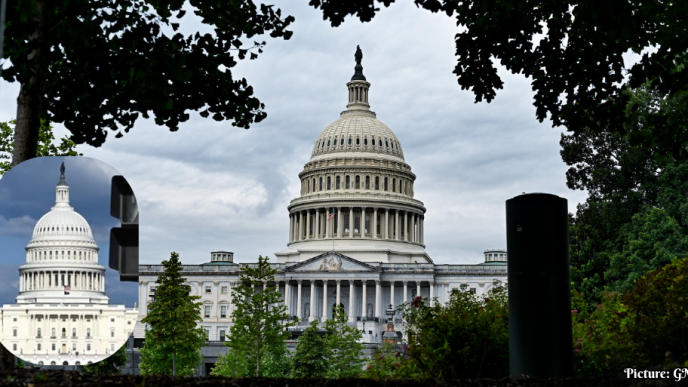
In a significant legislative move, the U.S. House of Representatives passed a measure aimed at curbing U.S. military involvement in Iran, reflecting growing bipartisan concerns over the ongoing conflict. The vote marks a notable moment for anti-war advocates and highlights divisions within the Republican Party.
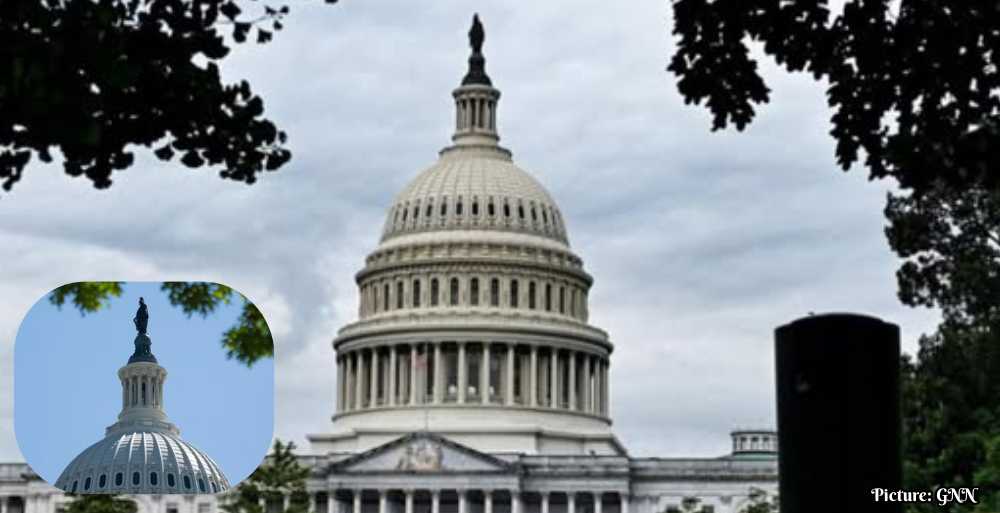
On [insert date], the U.S. House of Representatives successfully voted on a resolution to restrict military operations in Iran, following a previous attempt that was postponed due to internal party conflicts. This development comes as lawmakers expressed increasing dissatisfaction with the ongoing military campaign, which has faced scrutiny from both sides of the aisle.
Legislative Background
Nearly two weeks prior to the recent vote, House Republican leaders had delayed the war powers measure, anticipating a likely defeat due to defections and absences among their ranks. However, advocates returned to Capitol Hill this week with renewed confidence, believing that the resolution would gain enough support to pass.
Ultimately, the measure garnered bipartisan backing, with several Republican representatives, including Tom Barrett of Michigan, Brian Fitzpatrick of Pennsylvania, Warren Davidson of Ohio, and Thomas Massie of Kentucky, voting in favor of the initiative. Notably, Massie has consistently opposed military action in Iran, having voted against similar resolutions on all four previous occasions. His recent primary loss to a challenger endorsed by former President Donald Trump has raised questions about his political future.
Democratic Support and Key Defections
All Democratic representatives supported the resolution, with moderate Rep. Jared Golden of Maine reversing his previous opposition to the measure and voting in favor this time. This shift underscores a growing consensus among Democrats that limits should be placed on executive military powers, particularly in light of escalating tensions in the Middle East.
Despite the significant defections, the majority of Republican representatives remained aligned with Trump’s stance on foreign policy, reflecting a broader trend of party loyalty amid rising internal dissent. Minority Leader Hakeem Jeffries issued a call to Republicans prior to the vote, urging them to collaborate with Democrats to oppose what he termed a ‘reckless and costly war of choice.’ Jeffries stated, “All we need are a handful of Republicans to join us, and we can end this reckless and costly war of choice,” emphasizing the urgency for bipartisan action against the ongoing military engagement.
Senate Developments
In a separate but related development, the Senate advanced a similar anti-war measure last month through an unexpected procedural vote, benefiting from a notable absence of Republican senators. Four Republican senators participated in the vote, including Bill Cassidy, who shifted his position to oppose the war following his own primary defeat. Their involvement signifies a potential shift in the Republican Party’s approach to military engagement and reflects the increasing pressure from constituents and advocacy groups.
Legal and Political Context
The administration has exceeded a 60-day legal deadline to wind down military operations, with the White House arguing that a ceasefire agreement negates the need for compliance. However, tensions between the U.S. and Iran have escalated, with both countries exchanging military actions in recent weeks as diplomatic efforts to de-escalate the conflict and reopen the vital Strait of Hormuz have stalled.
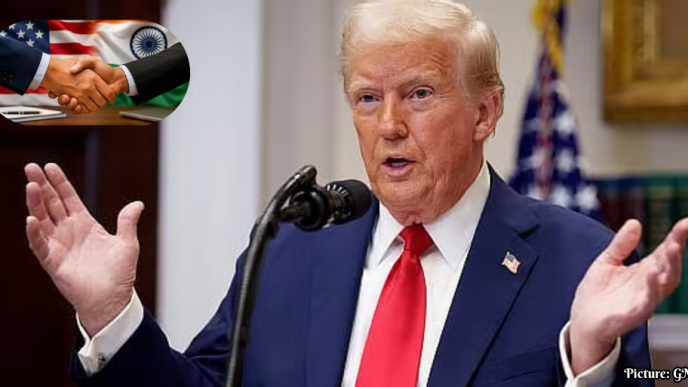
Former President Trump, who has consistently maintained that negotiations to resolve the conflict were approaching fruition, expressed ambivalence regarding the talks in a recent interview with CNBC. Trump stated, “I don’t care if they’re over, honestly,” indicating a potential shift in focus away from diplomatic resolutions. Nonetheless, in a separate interview published by the New York Post, Trump reiterated his belief that a deal could be reached “fairly quickly,” suggesting that the administration remains optimistic about future negotiations.
Implications and Future Outlook
The recent vote in the House represents a crucial moment for anti-war advocates who have long sought to limit executive military authority. As public sentiment grows increasingly skeptical of U.S. involvement in foreign conflicts, the outcome may forecast future legislative battles over military engagement. In addition, the divisions within the Republican Party could signal challenges for Trump and his allies as they navigate an evolving political landscape marked by shifting voter priorities.
The implications of this vote extend beyond immediate military actions, as they may influence the broader discourse surrounding U.S. foreign policy and the role of Congress in overseeing military operations. As lawmakers continue to grapple with these complex issues, the evolution of Republican sentiment and the potential for bipartisan collaboration on foreign policy matters will be closely scrutinized in the months ahead.