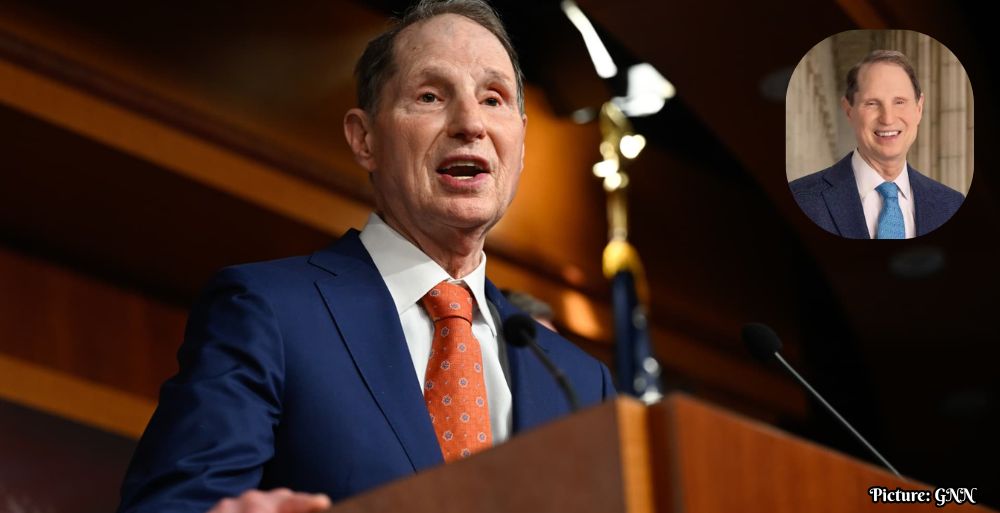
Senator Ron Wyden has introduced the Congressional Trade Powers Reform Act of 2026, aiming to restrict President Trump’s tariff powers and enhance congressional oversight.
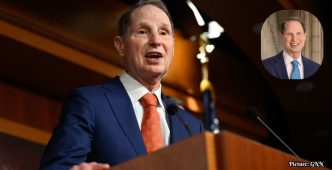
Senator Ron Wyden, a Democrat from Oregon and the ranking member of the Senate Finance Committee, announced on June 17, 2026, the introduction of a new bill aimed at reining in the tariff powers of President Donald Trump. The legislation, titled the Congressional Trade Powers Reform Act of 2026, seeks to remove certain statutory tools that allow the president to unilaterally impose import duties, thereby giving Congress a more significant role in trade policy decisions.
During a news conference at the U.S. Capitol, Wyden stated, “Donald Trump has pushed the boundaries of power on trade and tariff policies like no other president we’ve seen before. That’s why I am introducing a bill to put Congress back in the driver’s seat on international trade.” He emphasized the need for Congress to reassert its authority over tariffs to prevent any president from having the ability to alter the global economy unilaterally. Wyden’s bill follows Trump’s recent announcement of 50% retaliatory tariffs on a variety of Canadian goods, a move he justified using a nearly century-old trade law that has seldom been invoked.
Wyden characterized Trump’s action as “only the latest example of his reckless abuse of tariffs,” reflecting a growing concern among lawmakers regarding the implications of unchecked presidential power in trade matters.
Legislative Details and Historical Context
The U.S. Constitution grants Congress the authority to impose tariffs; however, over the years, Congress has delegated significant tariff-setting powers to the executive branch. Wyden’s proposed bill seeks to reverse this trend by requiring presidential tariff proposals under three specific authorities—Sections 301, 201, and 232—to receive congressional approval.
Section 301 of the Trade Act of 1974 allows the president to impose tariffs in response to foreign trade practices deemed unfair to U.S. interests. Section 201 permits the president to act if the U.S. International Trade Commission determines that a surge in imports is seriously threatening a domestic industry. Lastly, Section 232 of the Trade Expansion Act of 1962 authorizes the president to impose tariffs on national security grounds, a power that has been particularly contentious.
In addition to requiring congressional approval for these tariff measures, Wyden’s bill proposes the elimination of two outdated tariff authorities. Section 122 of the Trade Act of 1974, which grants the president authority regarding international payments issues, and Section 338 of the Tariff Act of 1930, which allows for tariffs against countries found to be discriminating against U.S. goods, would be removed under this legislation.
Proposed Oversight Mechanisms
The Congressional Trade Powers Reform Act of 2026 would establish a Joint Committee on Tariffs and Trade, composed of five members each from the Senate Finance Committee and the House Ways and Means Committee. This committee would be responsible for reviewing presidential tariff proposals, which would need to be submitted for consideration. The committee would have a maximum of 30 days to recommend the proposal to Congress for a vote on a joint resolution.
Moreover, the bill aims to enhance oversight of the Office of the U.S. Trade Representative by establishing it as an independent agency outside the Executive Office of the President, along with the creation of an inspector general to oversee its operations.
Political Landscape and Implications
While Wyden’s bill signals a push for increased congressional oversight of trade policy, it is expected to face significant challenges in Congress, where Republicans currently hold majorities in both chambers. Even if the legislation were to pass, it would likely encounter a presidential veto from Trump. A White House spokesman, Kush Desai, criticized Wyden and other Democrats, accusing them of neglecting the economic realities faced by American workers and the manufacturing sector. Desai stated, “If Wyden actually cared about America and Americans, he would work with the President to build on the trillions of investments that he has secured with tariffs, not play foolish political games that accomplish nothing.”
The introduction of the Congressional Trade Powers Reform Act of 2026 represents a significant moment in the ongoing debate over trade policy and presidential authority. As the political landscape continues to evolve, the implications of this legislation could shape the future of U.S. trade relations and the balance of power between Congress and the executive branch.