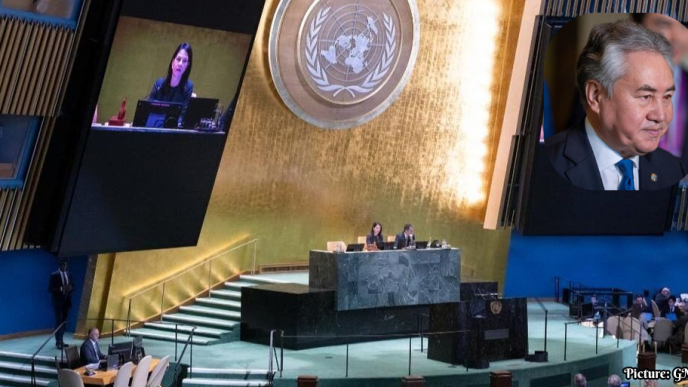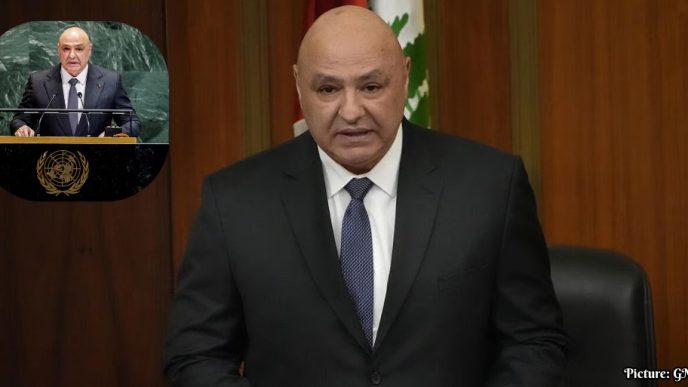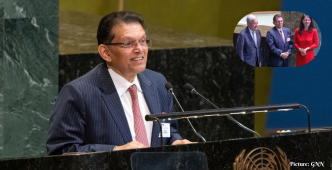
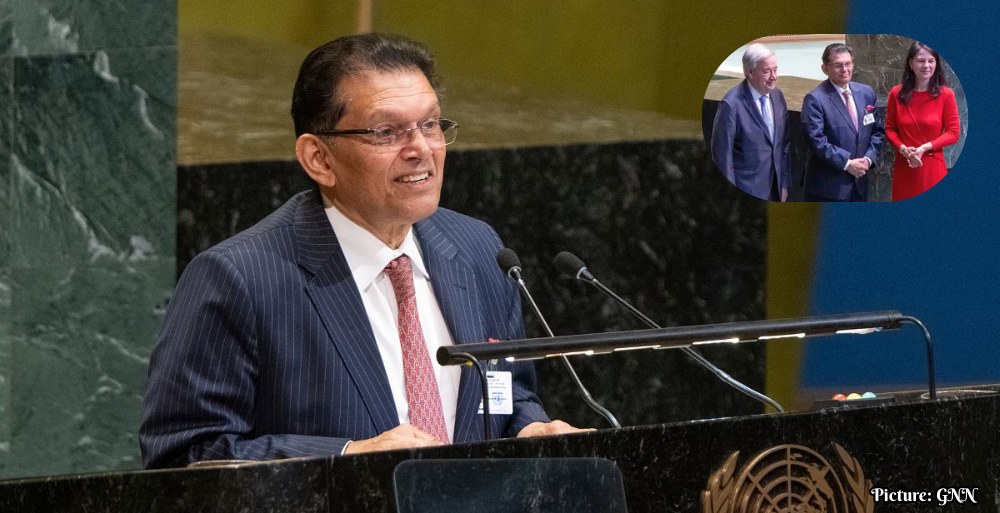
Khalilur Rahman, Bangladesh’s Foreign Minister, has been elected as the 81st president of the United Nations General Assembly, marking a significant moment in international diplomacy amid evolving global challenges.
On Wednesday, Khalilur Rahman, the Foreign Minister of Bangladesh, was elected as the 81st president of the United Nations General Assembly (UNGA) during a closely contested vote at the UN headquarters in New York. Rahman garnered 99 votes, defeating Cyprus Ambassador Andreas Kakouris, who received 91 votes. This election marks a rare instance of competition for the role, underscoring changing dynamics within the UN and the importance of multilateral leadership at a time of global turbulence.
Background of Khalilur Rahman
Khalilur Rahman has built a career as a seasoned diplomat since joining Bangladesh’s foreign service in 1979. He has held various prominent positions within the United Nations, including roles in both Geneva and New York. Notably, he has served as the spokesperson for the Least Developed Countries (LDC) group and as a special adviser to the United Nations Conference on Trade and Development (UNCTAD), where he focused on trade policies affecting developing nations.
Rahman’s ascent to the role of Bangladesh’s Foreign Minister occurred in February 2026, following a pivotal electoral victory by the Bangladesh Nationalist Party (BNP) in the country’s first elections after the significant 2024 student-led uprising that resulted in the removal of former Prime Minister Sheikh Hasina. In his capacity before becoming Foreign Minister, Rahman was the high representative and national security adviser during the interim government, led by Nobel laureate Muhammad Yunus, where he played a crucial role in addressing the ongoing Rohingya crisis—a humanitarian situation that has drawn international attention and concern.
The Significance of the UNGA Election
The election of a new president for the UNGA occurs at a critical juncture for the United Nations, particularly as discussions intensify regarding the successor to the current UN Secretary-General António Guterres, whose term concludes in 2026. Outgoing UNGA President Annalena Baerbock emphasized the evolution of the president’s role, stating that “the role of the president of the General Assembly is no longer simply procedural.” She noted that multilateralism faces “immense pressure” and highlighted the necessity for strong leadership to navigate complex global challenges.
The UNGA president oversees sessions of the 193-member body and plays a vital role in shaping the agenda for discussions on pressing global issues such as diplomacy, development, and conflict resolution. As the world grapples with multifaceted challenges—including climate change, economic inequities, and humanitarian crises—the significance of the UNGA presidency has grown markedly, positioning Rahman at the center of international decision-making.
Context of a Contested Vote
Traditionally, the UNGA president is appointed through consensus or acclamation, making Rahman’s contested election particularly noteworthy. The last time a competitive election took place was in 2016, when Fijian diplomat Peter Thomson won a narrow victory over Cyprus’s candidate by just four votes. Rahman’s election reflects a potential shift in how member states approach leadership selections within the UNGA, indicating a growing willingness among nations to engage in the electoral process for this prominent role.
As president, Rahman will be responsible for facilitating complex dialogues and fostering cooperation among member states. His election is interpreted as a strategic move to elevate Bangladesh’s profile on the global stage, especially regarding humanitarian efforts and sustainable development initiatives.
Potential Implications for Bangladesh and Global Diplomacy
Rahman’s position as president of the UNGA could significantly enhance Bangladesh’s visibility in international forums, providing a platform to advocate for critical issues affecting developing nations. Key areas of focus may include climate change, sustainable development, and the rights of displaced populations, particularly in light of the ongoing Rohingya crisis, which remains a pressing concern for both Bangladesh and the global community.
Furthermore, Rahman’s leadership may allow Bangladesh to play a more influential role in discussions surrounding global governance, international trade, and development policies that affect the LDCs. His extensive diplomatic experience suggests he will prioritize inclusive dialogue, addressing the needs and challenges faced by these nations, which are often marginalized in international discussions.
Global Context and Future Challenges
Rahman steps into the presidency amid a backdrop of significant geopolitical tensions, economic instability, and pressing environmental issues. The UNGA president’s influence extends beyond procedural responsibilities; it encompasses shaping the narrative around the UN’s role in addressing global crises and promoting international cooperation. The challenges facing the UN, including the need for reform and the balancing of power among member states, are critical issues that will require adept leadership from Rahman.
As he assumes this influential role, the international community will closely monitor Rahman’s leadership style and the initiatives he champions within the UNGA. His election not only represents a milestone for Bangladesh but also serves as an opportunity for the UN to reinvigorate its commitment to multilateralism and collaborative problem-solving.
Conclusion
Khalilur Rahman’s election as the 81st president of the United Nations General Assembly marks a significant development in both Bangladesh’s international standing and the broader landscape of global diplomacy. As he takes on this pivotal role, the focus will be on how he navigates the complexities of international relations and champions the agenda of developing nations within the UN framework. With urgent global challenges ahead, Rahman’s presidency could play a critical role in shaping the future of international cooperation and multilateralism.