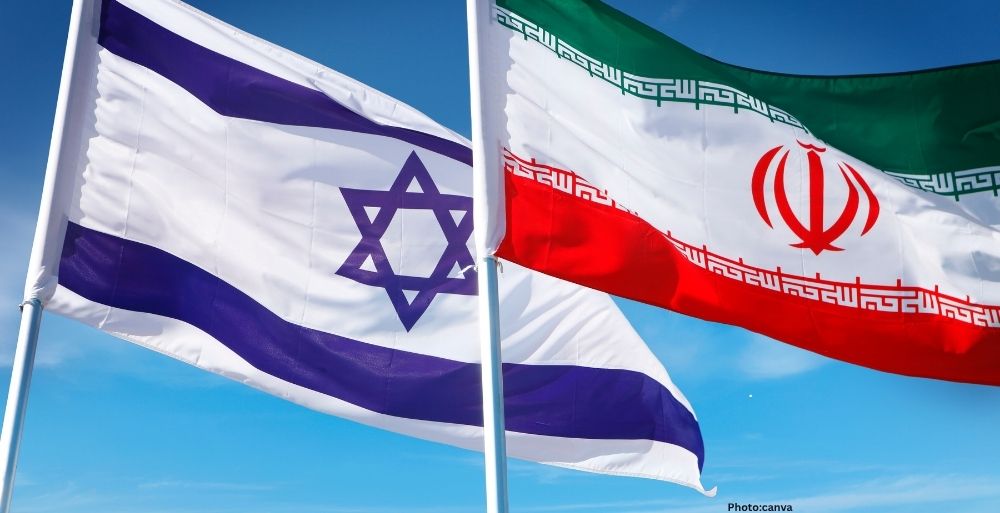
Iran and Israel have exchanged missile strikes for the first time since an April cease-fire, escalating tensions in the region amid ongoing hostilities involving Hezbollah.
TEHRAN, Iran – In a significant escalation of military tensions, Iran and Israel engaged in an exchange of missile strikes late Sunday night, marking the first such hostilities since a cease-fire was established in April 2023. The Iranian military launched ballistic missiles aimed at Israel following an Israeli airstrike targeting Hezbollah positions in southern Lebanon. The Israeli military reported that it successfully intercepted the missiles, announcing around 11 p.m. local time that residents could leave their shelters, although schools were ordered closed nationwide on Monday as a precautionary measure.
The Iranian government, specifically its Islamic Revolutionary Guards Corps (IRGC), asserted that the missile barrage was a direct response to what it termed Israeli aggression against Hezbollah, a militant group backed by Iran. In a statement, the IRGC emphasized that their acceptance of a cease-fire with the United States and Israel was contingent upon a cessation of hostilities across all fronts, warning that any further aggression would elicit a broader response. “Tonight’s operation was a warning, and if aggressions are repeated, the responses will be broader,” the IRGC declared.
Israel’s Retaliation and Broader Implications
Following the Iranian missile strikes, the Israeli military retaliated early Monday, targeting military installations within Iran. Iranian state media reported explosions in Tehran and other cities, including Tabriz and Isfahan, indicating the scale of the Israeli response. Brig. Gen. Effie Defrin, the chief military spokesman for Israel, characterized Iran’s missile attacks as a “grave error” and stated that Israel would not tolerate such direct assaults on its territory. “We will not allow that,” Defrin asserted during a televised briefing.
This escalation comes amid a backdrop of heightened political pressure on Israeli Prime Minister Benjamin Netanyahu, who faces an increasingly challenging re-election campaign. Recent polling suggests Netanyahu is trailing behind his opponents, and constituents in northern Israel have expressed significant concern over ongoing Hezbollah attacks, including rockets and drones. Last week, Netanyahu warned that he would order strikes on Beirut if Hezbollah launched further attacks on Israeli territory.
U.S. President Donald Trump, in an interview with Axios, indicated that he had intended to advise Netanyahu against a retaliatory response to the Iranian missiles. Trump reportedly stated, “I call all the shots,” suggesting that the Israeli leader had limited autonomy in military decision-making. This commentary underscores the complex dynamics of U.S.-Israeli relations, particularly as both nations navigate their respective interests in the region amidst ongoing hostilities.
Economic Impact and Global Repercussions
In the wake of Iran’s missile attacks, Brent crude oil prices surged approximately 2.9 percent, reaching $95.79 per barrel. This increase reflects the economic uncertainties stemming from the conflict, particularly given Iran’s previous closure of the Strait of Hormuz—a critical maritime route for global oil transportation—after earlier U.S.-Israeli strikes in February 2023. The ongoing blockade of Iranian ports by the United States has further exacerbated fluctuations in energy markets.
As hostilities continue, the U.S. Embassy in Jerusalem announced the closure of its consular sections and advised American citizens in Israel to shelter in place. The embassy emphasized that staff members should be prepared for potential alerts regarding missile or drone attacks, reflecting the heightened security concerns in the region.
Military Readiness and Future Developments
Israeli military officials, including Lt. Gen. Eyal Zamir, indicated a readiness to escalate military action should further provocations occur. Zamir stated that Israel would “strike the enemy with determination as soon as the order is given,” highlighting readiness for potential further conflict. In contrast, Iranian officials framed their actions as defensive, accusing the United States of complicity in Israeli violations of the cease-fire agreement.
The recent military exchanges have not only disrupted regional stability but also raised fears of a broader conflict. Since the start of fighting in March 2023, over 3,600 individuals have reportedly been killed in Lebanon, with the casualty toll continuing to rise. The Israeli military has also experienced losses, with approximately 30 soldiers killed amid the ongoing conflict.
Hezbollah’s rejection of a renewed cease-fire agreement between the Israeli and Lebanese governments has further complicated the situation. Despite the official truce, violence has persisted, contributing to the instability in the region. As the situation evolves, international reactions will likely play a critical role in shaping the next steps for both Iran and Israel.
International Diplomacy and Negotiation Prospects
The U.S. State Department reiterated its support for Israel’s right to self-defense while calling for restraint from all parties involved. The department underscored that recent violence by Hezbollah jeopardizes the negotiations necessary for a peaceful resolution, stating that the group “must stop firing immediately and allow these agreements to take effect.”
Moving forward, the potential for renewed negotiations or further military escalation remains uncertain. Both nations are navigating their strategic interests amidst regional turmoil, while the international community closely monitors the developments. As hostilities continue, the risk of broader conflict looms, underscoring the urgent need for diplomatic efforts to de-escalate the situation and prevent further loss of life in the region.