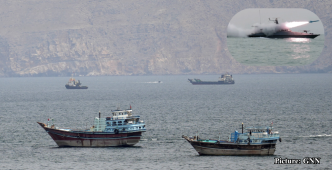

Traffic in the Strait of Hormuz has drastically decreased as President Trump acknowledges the difficulties of stabilizing the region and hints at an extended conflict with Iran.
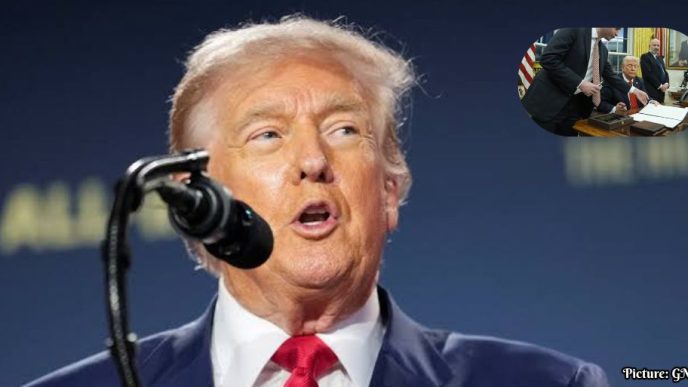
The Strait of Hormuz, a vital maritime passage for global oil, has seen a significant decline in ship traffic, reaching historic lows as geopolitical tensions escalate between the United States and Iran. On July 31, President Donald Trump indicated that the timeline for reducing Iran’s military influence in the region may stretch into the weeks ahead, as he addressed reporters during a Cabinet meeting at Camp David.
According to data from ship-tracking service Kpler, only five vessels transited the critical waterway on Thursday, a stark contrast to the pre-conflict norms where over 100 ships navigated its waters daily. This strait is crucial for the transportation of approximately one-fifth of the world’s oil supply, making its security paramount for global energy markets.
Current Status of Maritime Traffic
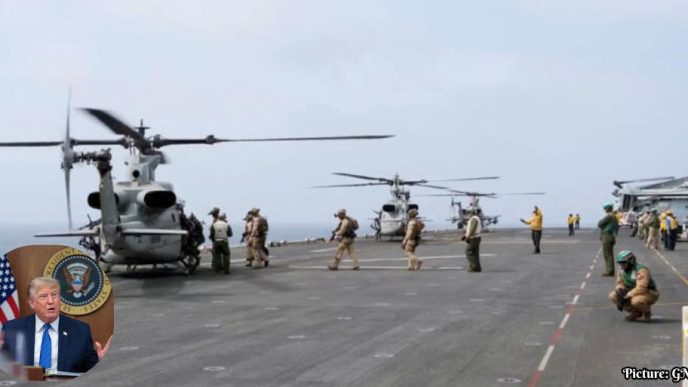
The recent drop in maritime activity in the Strait of Hormuz follows a brief ceasefire in June, which had temporarily increased vessel traffic. However, renewed hostilities have since curtailed movement, with daily transits now reported in the single digits. The vessels that did make the journey opted for a more northern route preferred by Iran, entirely avoiding a US-preferred path that runs closer to Oman. This trend suggests a strategic pivot by shipping companies, reflecting concerns over potential threats in the region amid heightened tensions.
U.S. Policy and Iran’s Military Capabilities
President Trump, when questioned about the US efforts to mitigate Iran’s capacity to disrupt maritime traffic, expressed a sentiment of uncertainty regarding the timeline for achieving stability. He remarked, “Well, you never know, most people would have given up by now,” acknowledging Iran’s resilience and military capabilities. The president noted, “They’re tough,” indicating an understanding of the complexities involved in negotiating with the Iranian regime.
Iran’s Response and Claims of Passage Infeasibility
On the same day, Iran’s nascent “Persian Gulf Strait Authority” made assertions that US actions have rendered passage through the Strait of Hormuz unfeasible, announcing plans to pause permits for transit. US officials quickly countered this claim, maintaining that the waterway remains open for commercial navigation, despite the evident decline in the number of vessels willing to traverse the area.
The contrasting narratives highlight the ongoing battle for influence in the region, as both nations seek to control the narrative surrounding maritime security and international shipping routes. Iran’s statements, coupled with its military exercises in the region, have instigated fears of further escalation.
Potential for Increased Military Engagement
During the Cabinet meeting, Trump also addressed the potential for increased military engagement, suggesting that Americans should brace for more retaliatory actions against Iran. He stated, “We’ll be hitting them very hard, and at some point they’re going to say, ‘We just can’t take it anymore.'” This declaration underscores the administration’s readiness to escalate military responses, further complicating an already volatile situation.
Public Sentiment and Political Context
Public approval for Trump’s handling of the conflict appears to be waning, with a recent Quinnipiac University poll revealing that only 28% of voters support his approach to the situation in Iran. This declining approval rating reflects broader concerns among the electorate regarding the economic implications of the ongoing war, particularly persistent inflation and a slowing economy that some analysts attribute to the conflict.
Despite these challenges, Trump expressed a diminishing faith in the prospect of diplomatic negotiations with Iran, indicating that he is uncertain whether any discussions are scheduled in the near future. His remarks suggest that the administration may be preparing for a prolonged conflict rather than a swift resolution, a perspective that could further alienate voters concerned about the economic impact of military engagements.
Implications for Global Oil Markets and International Relations
The implications of the current crisis in the Strait of Hormuz are profound, not only for regional stability but also for global oil markets and international relations. As tensions continue to escalate, the potential for conflict could disrupt oil supply chains, leading to increased prices on the global market. Additionally, the Strait of Hormuz will likely remain a focal point in discussions of international security and military strategy as nations navigate the complex geopolitical landscape.
In conclusion, the current situation in the Strait of Hormuz highlights the intricacies of U.S.-Iran relations and the challenges in securing a stable maritime environment. The decline in ship traffic serves as a stark reminder of the ongoing conflict’s impact on global commerce and underscores the importance of diplomatic efforts to address the underlying tensions.