As tensions between the United States and Iran escalate, President Donald Trump is reportedly considering military strikes on Iranian energy targets, with potential operations anticipated to begin as early as this weekend.
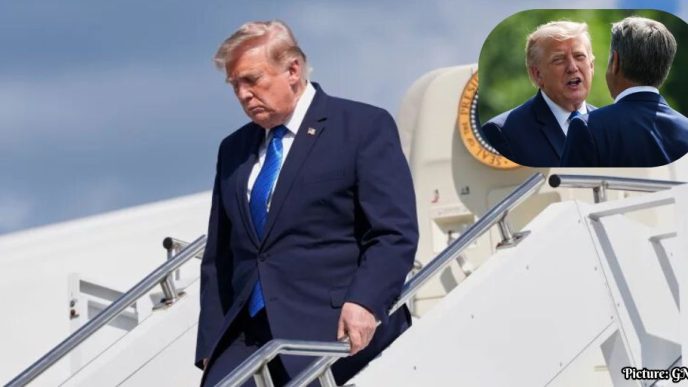
Washington, D.C.—In a marked intensification of military strategies and rhetoric, President Donald Trump is contemplating the launch of targeted strikes against Iranian energy sites. This decision, which could lead to operations commencing as soon as this weekend, has been revealed by two U.S. officials familiar with the ongoing deliberations. They noted that while planning is underway, the specific details of these military actions remain fluid and subject to change.
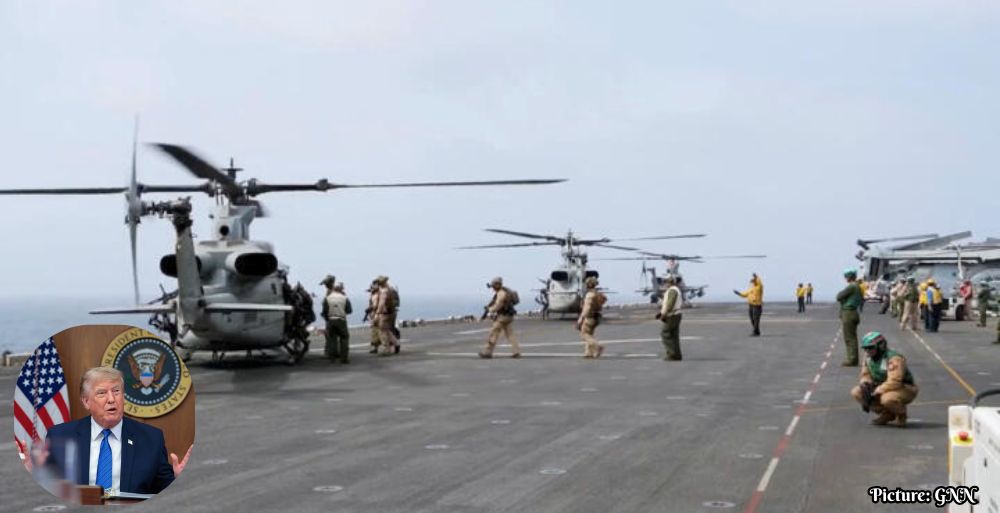
The current tensions between the U.S. and Iran are rooted in a series of military confrontations and retaliatory strikes, particularly in the strategically vital Strait of Hormuz. This narrow waterway is crucial for global oil shipments and has emerged as a central flashpoint in the escalating conflict. The backdrop of these hostilities includes President Trump’s announcement on February 28, 2026, regarding the initiation of “major combat operations” against Iran, which involved substantial joint military strikes by U.S. and Israeli forces targeting key military, governmental, and infrastructural installations across Iran.
Recent Military Incidents and Ongoing Negotiations
Despite diplomatic efforts that began in June aimed at negotiating an end to hostilities, military exchanges between the two nations have persisted. These negotiations are based on a memorandum of understanding designed to address the core issues fueling the conflict. However, both sides have continued to engage in aggressive actions, undermining the prospects for peace.
On August 1, 2026, reports emerged of Iranian drones being intercepted within Kuwaiti airspace, leading to no reported casualties but causing material damage due to falling debris from the interceptions. Major General Saud Abdulaziz Al-Otaibi, a spokesperson for the Kuwaiti Ministry of Defense, stated that the drones targeted several critical facilities, including a government site in northern Kuwait and civilian vehicles on Bubiyan Island. The exact number of drones involved in the incident remains unspecified.
Additionally, the British Maritime Safety Agency reported two separate incidents in the Strait of Hormuz on the same day. In one instance, a tanker reported a large splash and explosion nearby, while another tanker sustained damage from an unknown projectile that impacted its engine room. Fortunately, there were no casualties reported from either incident, but the regional Coast Guard has been alerted to maintain vigilance and caution in light of these developments.
Strategic Considerations for U.S. Military Action
According to sources within the administration, U.S. Central Command had previously prepared plans for an extensive two-week air campaign against Iran. However, some officials suggest that a more focused and intense strike could serve to advance negotiations more effectively. Discussions regarding the potential strikes have included consultations with Israeli officials, although it remains uncertain whether Israel would engage directly in any military actions.
In response to the prospect of U.S. strikes targeting its energy infrastructure, Iranian state media have reported that Iran has threatened retaliation against U.S. energy interests in the Middle East, as well as against Israeli targets. This escalation of threats indicates a potential widening of the conflict, raising alarms about stability in the region.
Trump’s Position on Negotiations and Military Engagement
In a phone interview aired on August 1, 2026, President Trump asserted that the U.S. would not halt military operations against Iran while simultaneously expressing a desire to secure a favorable deal. He stated, “We want to negotiate, but they keep attacking us. We have a strong position, and we have hit them hard.” Trump emphasized the military actions undertaken, claiming they have significantly diminished Iran’s military capabilities.
The President’s comments come amid a Pentagon report that revised casualty figures for U.S. servicemembers involved in the conflict, reflecting the complex dynamics surrounding military losses in the region. Trump noted that the death toll could vary based on “definitions,” acknowledging the sensitivity of discussing military casualties while attempting to frame the narrative within a broader historical context.
The ongoing situation highlights the precarious balance between military action and diplomatic efforts, as both the U.S. and Iran grapple with the implications of their military strategies. Analysts have expressed concern that further escalations could lead to a broader conflict in the region, underscoring the urgent need for effective diplomatic interventions to de-escalate tensions.
As the prospect of military action looms, the international community watches closely, aware that any military engagement could have far-reaching consequences for regional stability and global oil markets. The developments over the coming days will be critical in determining whether diplomatic avenues can be pursued effectively or whether the situation will spiral into further military confrontations.