President Donald Trump announced the cancellation of planned military strikes on Iran, contingent on progress in ongoing diplomatic negotiations. The announcement comes as tensions in the region continue to escalate, affecting global oil prices and regional stability.
In a significant development in the ongoing conflict between the United States and Iran, President Donald Trump declared on Saturday evening that he has called off military strikes initially planned against Iran. This decision is contingent upon the progress of diplomatic negotiations between the two nations, with Trump emphasizing the need for a “rapidly” reached agreement. The announcement follows a series of tense exchanges and military actions in the region, particularly surrounding the vital Strait of Hormuz.
Background of the Conflict
The conflict has intensified since early February, when fighting resumed following a breakdown of a ceasefire agreement signed in June. The ceasefire was intended to allow for negotiations aimed at a lasting resolution to the hostilities. However, renewed hostilities escalated after clashes erupted near the Strait of Hormuz, a critical chokepoint for global oil shipping, leading to increased US military actions against Iranian targets.
The Strait of Hormuz is crucial for the transport of oil, with approximately 20 million barrels passing through daily before the conflict escalated. It is estimated that about one-fifth of the world’s oil supply transits through this narrow waterway. Iranian control over the northern side of the strait has raised concerns among global powers, particularly the US and its allies.
Economic Implications
As the conflict drags on, the economic implications are becoming increasingly severe for both nations and their allies. In the United States, rising gas prices have been reported, with average prices exceeding $4 per gallon. The situation in Iran is equally dire, as the country faces mounting economic challenges, including high unemployment rates and inflation, which reportedly reached 88% in June. The Iranian economy has been further strained by the US blockade and resumption of sanctions on oil exports, which have severely limited its revenue capacity.
In response to the declining situation, the Organization of the Petroleum Exporting Countries (OPEC+) announced plans to increase oil production by an additional 188,000 barrels per day, as the strait remains a point of contention and maritime traffic continues to be disrupted.
Diplomatic Efforts and Regional Reactions
Trump’s decision to cancel the strikes was influenced by a phone call with Saudi Crown Prince Mohammed bin Salman, who reportedly urged for de-escalation in the region. Following the announcement, Iranian state media reacted with skepticism, suggesting that Tehran had not requested a halt to military actions and interpreting Trump’s retreat as a sign of weakness. Iranian officials remain adamant regarding their control over maritime traffic in the strait, which they view as critical to their national interests.
“Trump the fool has run out of steam!” exclaimed a journalist on Iranian state media, reflecting the prevailing sentiment in Tehran. The Iranian government has consistently sought to assert its influence over the strait, despite international laws that guarantee the right of innocent passage for ships.
As tensions continue to simmer, the possibility of further strikes remains contingent on the success of ongoing diplomatic discussions. Trump indicated that the US military remains prepared to act but has opted to hold back in light of the current negotiations.
International Perspectives
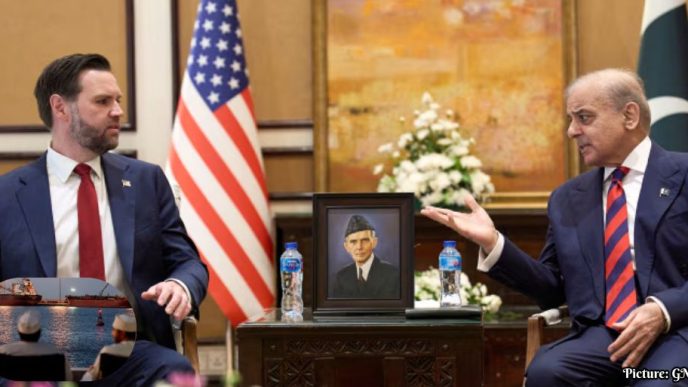
The international community remains watchful as the situation evolves. The US State Department has issued warnings to American citizens in the Middle East, advising them to exercise caution amid heightened tensions. Diplomatic channels involving regional partners, including mediators from Qatar and Pakistan, have been activated to facilitate dialogue between the US and Iran.
Meanwhile, the dynamics of the conflict are influenced not only by the actions of the US and Iran but also by the responses of regional players. Israeli leaders, closely monitoring the situation, have expressed concerns over any perceived US withdrawal from military engagement in the region, indicating that they view Iranian actions as a direct threat to their national security.
Conclusion
As of now, no strikes have been reported from either side since Trump’s announcement, indicating a temporary lull in hostilities. However, the complexities of the geopolitical landscape suggest that the path to a lasting resolution remains fraught with challenges. The interplay of military readiness, economic pressures, and diplomatic negotiations will play a crucial role in shaping the future of US-Iran relations and the broader stability of the Middle East.