As tensions escalate between the U.S. and Iran, President Trump grapples with limited options regarding the control of the strategically vital Strait of Hormuz, amid concerns over potential military escalation and domestic political repercussions.
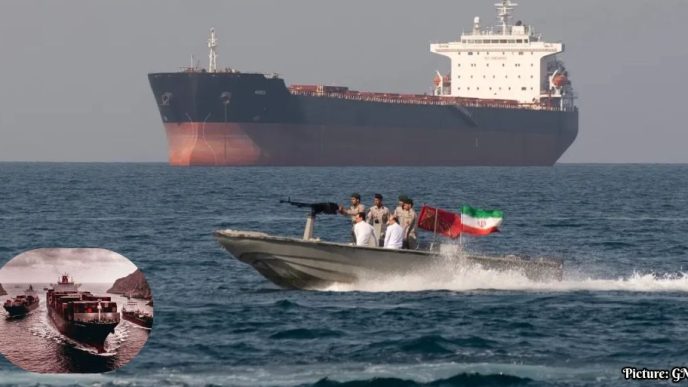
WASHINGTON – The ongoing geopolitical tensions between the United States and Iran have reached a critical juncture, as President Donald Trump navigates a complex web of military, diplomatic, and domestic pressures. In recent weeks, former officials from the Trump administration have indicated that the White House is grappling with the implications of Iran’s demands for control over the Strait of Hormuz, a crucial maritime corridor for global oil shipments.
Iran has signaled that its price for reducing hostilities involves some degree of control over the Strait of Hormuz, a prospect that poses significant political challenges for the Trump administration. According to a former administration official, who spoke on the condition of anonymity, “Iran wants the political concession of the principle that they get money for passage through the strait.” This arrangement could establish Iran’s control over the strait in diplomatic practice and customary law, complicating future negotiations.
In response to escalating tensions, Trump has employed a dual approach of issuing threats while simultaneously expressing a willingness to negotiate. Over the weekend, Trump announced on Truth Social that he had called off a planned attack on Iran, stating, “We have just been asked by Iran, and other Middle Eastern Countries, to hold off any attack in that the perimeters of a deal has been agreed to.” He emphasized the importance of an “Immediate, Complete, and Total OPENING OF THE HORMUZ STRAIT, and an end to Iran’s nuclear threat.” However, the Iranian government has not confirmed any such agreement.
Implications of Control over the Strait
The Strait of Hormuz is a critical chokepoint for global energy supplies, with approximately 20% of the world’s oil passing through it daily. The U.S. administration is wary of any resolution that grants Iran control over this vital waterway, fearing it could undermine the effectiveness of U.S. sanctions and diminish the international community’s leverage over Iran’s nuclear ambitions. Secretary of State Marco Rubio has been vocal in cautioning against any concessions that could empower Iran.
“Allowing Iran to control the strait would create a dangerous precedent,” Rubio warned, noting that it would complicate the U.S.’s ability to impose sanctions effectively. With midterm elections approaching, Republican leaders are pushing for a resolution to the conflict that would allow them to focus on domestic issues, particularly rising gas prices, which have recently surged to an average of $4.10 per gallon.
Negotiation Challenges and Iranian Leverage
As diplomatic efforts falter, experts suggest that Iran perceives itself as having significant leverage in the current situation. Alex Gray, a former National Security Council chief of staff during Trump’s first term, noted, “The Iranians certainly feel that they have leverage and they feel emboldened, and it’s leading them to refuse to make concessions that are probably in their short-term interest.” The communication breakdown within the Iranian government further complicates negotiations, creating uncertainty about their willingness to reach an agreement.
Despite the ongoing conflict, U.S. officials maintain that the Strait of Hormuz remains open for transit. An anonymous administration source reiterated, “As the President has stated, the Strait of Hormuz is open, and will remain open if people want to go through it.” However, this assertion is met with skepticism, particularly in light of recent Iranian attacks on U.S. bases and energy infrastructure in the region.
Domestic Political Ramifications
As the situation evolves, the looming midterm elections add another layer of complexity. With the potential for escalated military engagement to impact gas prices and public sentiment, the Trump administration faces pressure to find a diplomatic solution. Political analysts, including Danny Citrinowicz of the Atlantic Council, argue that Trump is confronted with “deeply unattractive choices,” as any diplomatic agreement may implicitly require recognizing some level of Iranian control over the Strait of Hormuz.
Further military action, while appealing to some within the administration, could exacerbate the situation without guaranteeing a change in Iran’s strategy. Elliott Abrams, a former U.S. special representative for Iran, outlined the stark choices facing Trump: “Back off and agree to Iran running — and monetizing — the Strait of Hormuz, hit harder and harder until Iran agrees to a real compromise deal, or play for time by continuing the blockade of their ports and the tit-for-tat exchanges.”
Future Outlook
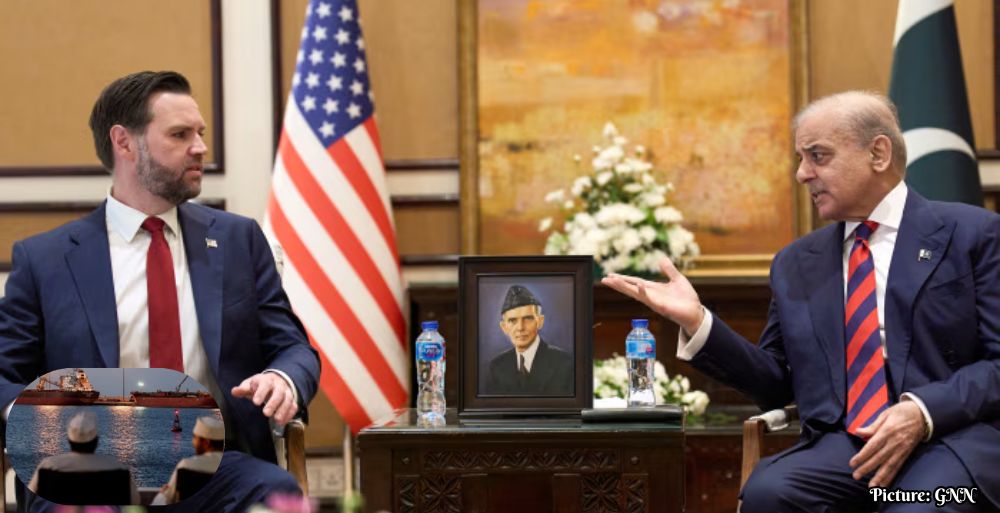
Despite the challenges, there remains a desire for a negotiated settlement. Efforts by intermediary nations, including Qatar and Pakistan, to facilitate dialogue have not yet yielded results, as previous ceasefire agreements have fallen apart. Trump appears to be weighing the political ramifications of his decisions, stating during a Cabinet meeting, “I’m losing faith in them because they do lie and they do misrepresent.”
As the situation develops, all eyes are on how the U.S. administration will navigate these treacherous waters, balancing the demands of national security, international diplomacy, and domestic political considerations in the lead-up to the midterm elections.