Iranian Supreme Leader Mojtaba Khamenei has issued a warning to the United States regarding potential military actions following the midterm elections, emphasizing an immediate and far-reaching response.
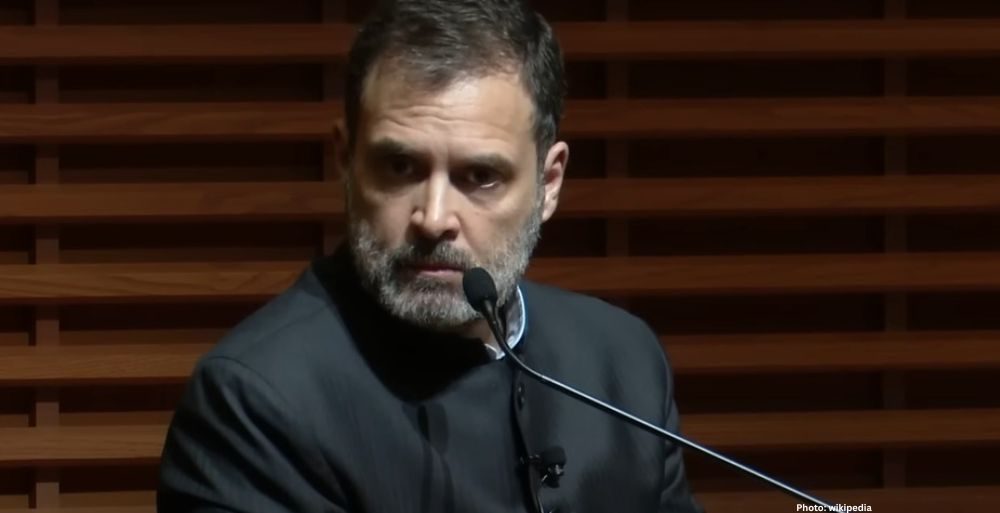
On Friday, Iranian Supreme Leader Mojtaba Khamenei conveyed a stark warning to the United States, cautioning against any military strikes that may be planned in the aftermath of the upcoming midterm elections. Khamenei’s comments, reported by the Islamic Republic News Agency (IRNA), reflect escalating tensions between Iran and the U.S., as military conflict looms in the backdrop of a protracted war that has significant implications for regional stability.
Khamenei’s Directives and Military Preparedness
During a meeting with senior military officials, Khamenei instructed them to prepare for an “immediate, impactful response without geographical limitations” should the U.S. proceed with military action. This directive signifies a notable shift in Iran’s military posture, emphasizing the need to enhance readiness to address perceived threats from American and Israeli forces. Khamenei specifically directed military leaders to update their target databases, ensuring that all physical and non-physical assets of the U.S. and Israeli forces are within Iranian reach. This strategic preparation underscores the seriousness with which Iran views potential U.S. aggression.
U.S. Military Plans in the Gulf
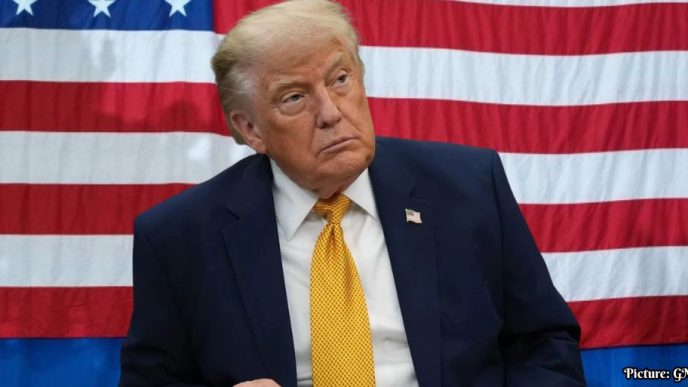
Reports from multiple news outlets indicate that the U.S. has alerted several Arab nations to prepare for a short military campaign following the November 3 elections. Three senior officials from Gulf Arab states revealed that the U.S. could initiate strikes as soon as the day after the elections. This information raises concerns about the potential for a rapid escalation in hostilities, particularly in light of President Donald Trump’s previous assertions that he would avoid military actions against Iran prior to the midterms. Trump’s stance appears to have been influenced by domestic pressures to de-escalate the conflict due to rising energy prices and economic repercussions linked to the ongoing war.
The conflict, which commenced with joint U.S.-Israeli military strikes on February 28, has now entered its eighth month. U.S. Central Command estimates that the war has cost the United States approximately $47 billion. These staggering figures prompt questions regarding the sustainability of continued military engagements in the region, particularly as public sentiment shifts amid rising costs associated with the conflict.
Trump’s Rhetoric and Operational Strategies
In a rally held last week, President Trump suggested the possibility of additional military actions against Iran, referencing a previous military operation known as “Operation Epic Fury.” He stated, “If they’re smart, they’ll just say, ‘Let’s get down to business,’” indicating his belief that Iran should comply with U.S. demands to avert further escalation. This rhetoric reflects the administration’s broader strategy that combines military readiness with diplomatic pressures aimed at constraining Iran’s regional influence.
Economic Sanctions and Their Impact on Iran
Simultaneously, the Trump administration has pursued a rigorous economic strategy to isolate Iran, termed “Operation Economic Outcast.” This initiative has entailed stringent sanctions on Iranian oil exports and the implementation of a U.S. naval blockade in the strategically critical Strait of Hormuz, through which a significant percentage of the world’s oil supply transits. A recent report from the U.S. Treasury Department indicated that these sanctions are severely impacting Iran’s economy, with inflation hitting an alarming 90 percent in September. The economic fallout from these measures raises concerns over domestic stability within Iran and the potential for increased unrest among its populace.
Broader Implications for U.S.-Iran Relations
As both the U.S. and Iran brace for potential military actions, the implications of these developments extend beyond bilateral relations and affect the broader geopolitical landscape of the Middle East. The interplay of military maneuvers, economic sanctions, and political rhetoric will continue to shape the dynamics of the region, particularly as the U.S. midterm elections approach. Observers note that any military engagement could destabilize the already volatile region, impacting not only U.S.-Iran relations but also the security of neighboring countries and global oil markets.
The current situation reflects the complexities of international relations where military strategy, economic policy, and domestic political pressures converge. As the international community watches closely, the potential for miscalculation or misinterpretation of intentions remains high, underscoring the necessity for clear communication and diplomatic efforts to de-escalate tensions. The coming weeks are critical as the U.S. navigates its post-election military strategy while Iran remains steadfast in its defense posture, setting the stage for a potentially volatile geopolitical environment.