Protests across India have highlighted the deepening youth unemployment crisis, ignited by a leaked medical entrance exam paper, which has led to calls for government accountability and reform in the education sector.
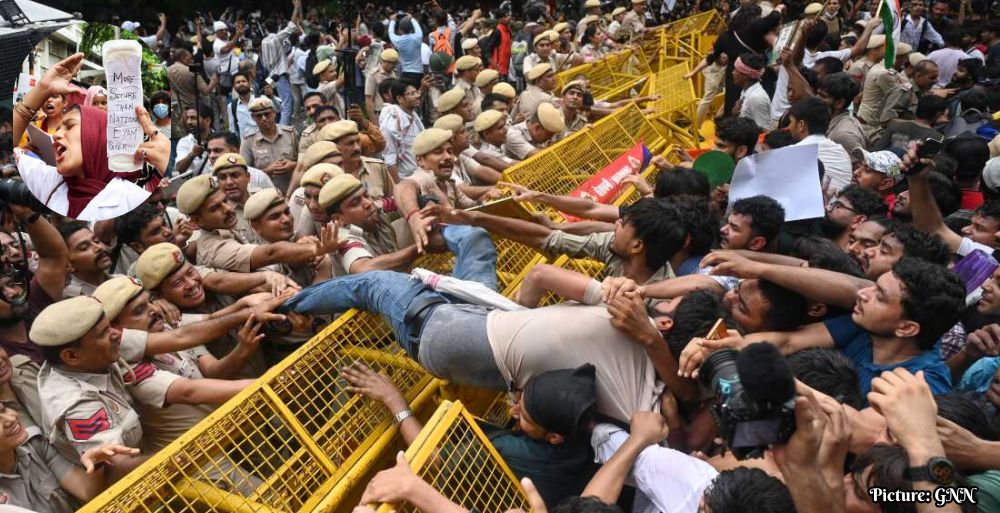
NEW DELHI, INDIA – July 20, 2026 – Protests driven by youth discontent over rampant unemployment and a recent medical entrance exam scandal have erupted in India, posing a significant challenge to Prime Minister Narendra Modi’s government. The protests, sparked by the leak of examination papers for the National Eligibility cum Entrance Test (NEET), reflect broader frustrations among young graduates struggling to secure stable and well-paying jobs in a competitive economy.
The unrest reached a peak on July 20, 2026, as students took to the streets in cities including New Delhi and Mumbai, demanding accountability from the government. The Cockroach Janta Party, a viral youth movement utilizing social media to amplify their message, has emerged as a key organizer of the protests.
Context of the Protests
The immediate catalyst for the protests was the revelation in May of leaked exam papers related to NEET, a crucial medical entrance examination. While a retest was conducted in June, the fallout was severe, with reports indicating that over 20 students took their own lives in the wake of the leak. This tragedy has resonated deeply with the youth, many of whom are already grappling with the pressures of securing a future in a challenging job market.
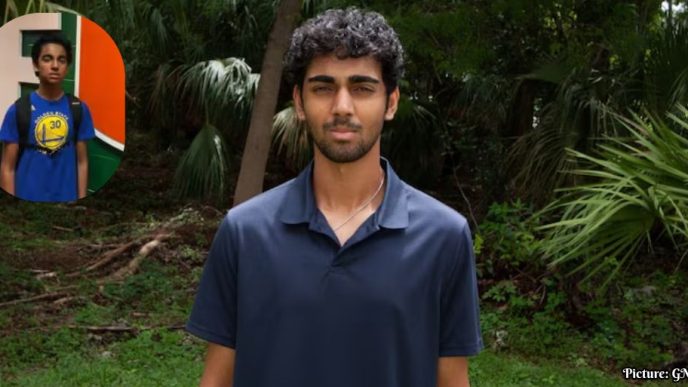
Abheet Mohanty, a 27-year-old professional from Mumbai, lamented that the protests represented a broader struggle for his generation. “I felt for the students because I was a NEET student back in 2018,” Mohanty said, reflecting on the immense pressure placed on students to succeed in these highly competitive exams.
The youth unemployment crisis in India is stark, with graduate unemployment rates for those aged 15 to 25 nearing 40%. A report from the State of Working India 2026 indicates that graduates accounted for two-thirds of the country’s unemployed in 2023. These figures reveal a troubling disconnect between the burgeoning number of graduates and the limited availability of quality employment opportunities.
Rising Competition for Limited Opportunities
The NEET exam has seen a 50% increase in applicants from 2019 to 2026, with over 2.2 million students vying for medical school placements. The competition is not limited to medicine; other prestigious entry examinations such as the Joint Entrance Examination (JEE) for the Indian Institutes of Technology and the Common University Entrance Test (CUET) are similarly oversubscribed.
Aditi Garg, a 24-year-old graphic designer in Bengaluru, shared her experiences of the job market, stating, “I have lost count of the number of jobs I applied to last year.” Garg noted the challenges young professionals face, including low salaries and a lack of negotiating power due to the oversupply of job seekers. This sentiment is echoed by many in her generation, who feel that despite their qualifications, they are often forced to accept underpaid positions.
Government Response and Future Implications
In light of the protests, India’s Education Minister Dharmendra Pradhan resigned, marking a significant political consequence of the unrest. Prime Minister Modi subsequently appointed Pralhad Joshi as the new Education Minister and announced the formation of a task force led by Indian tech entrepreneur Nandan Nilekani to reform the education system.
Furthermore, the Indian Parliament passed a bill amending anti-paper leak laws, introducing stricter penalties for those involved in examination fraud, including potential jail terms of up to ten years. However, experts caution that while these measures may address immediate concerns regarding exam integrity, they do not solve the deeper issues related to job creation and economic opportunity.
The structural challenges facing India’s job market have developed over many years. Although access to higher education has expanded, job creation has not kept pace. Between 2004 and 2023, India produced approximately 5 million graduates annually, yet only 2.8 million found jobs, with even fewer securing salaried positions. This disparity underscores the urgent need for comprehensive economic reforms that can provide sustainable employment opportunities for the youth.
Long-Term Challenges
Economists warn that if the Modi government fails to address the underlying causes of youth unemployment, it risks alienating a generation that has witnessed rising expectations but stagnant job prospects. The government’s economic policies have struggled to transition India’s workforce from agriculture, where nearly 45% of the workforce remains employed, to sectors that offer higher productivity and wages.
As India grapples with its demographic dividend, the current wave of protests serves as a critical reminder of the urgency for reform. The outcome of these movements may shape not only the future of India’s education system but also the political landscape as young voters increasingly demand accountability and action from their leaders.
In conclusion, the protests reflect a growing discontent among India’s youth regarding their future prospects. With systemic issues in the job market and education sector, the Modi government faces significant pressure to implement reforms that can restore hope and create pathways for a generation eager for opportunities.