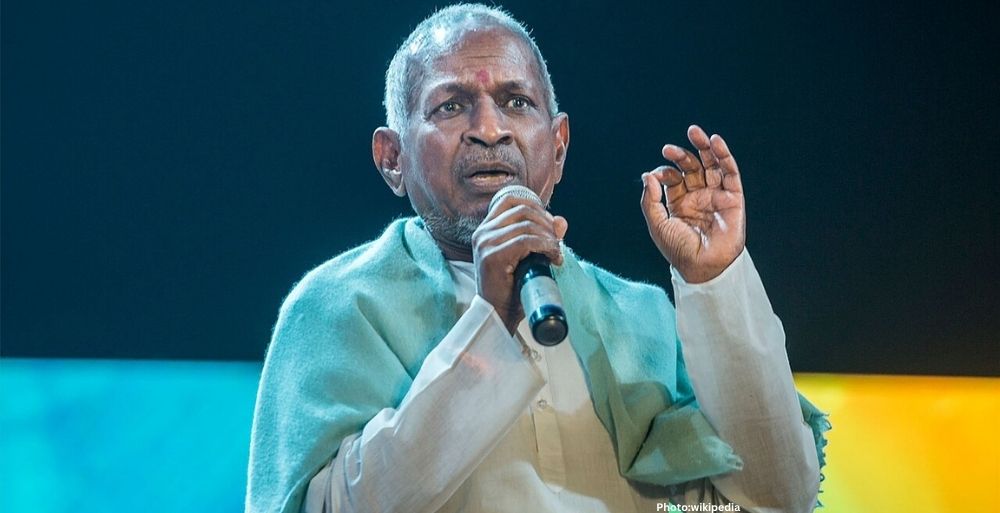
Ilaiyaraaja, a pioneering figure in Indian cinema music, has shaped the industry for over 50 years, blending traditional folk sounds with Western classical influences.
Ilaiyaraaja, often regarded as one of the most influential composers in Indian cinema, has made an indelible mark on the musical landscape of the industry over the past five decades. Renowned for his remarkable ability to fuse traditional Tamil folk music with contemporary sounds, he has composed an impressive catalog of over 8,000 songs across various languages, including Tamil, Telugu, and Hindi. His distinguished body of work includes celebrated films such as Annakili, Pathinaaru Vayathinile, Olangal, Sadma, Geetanjali, Chinna Gounder, and Nayakan.
In a landmark achievement last year, Ilaiyaraaja became the first Indian composer to compose and perform a Western classical symphony, collaborating with the Royal Philharmonic Orchestra in London. This performance was hailed as a “milestone in global music history,” signifying the growing recognition of Ilaiyaraaja’s work beyond the confines of Indian cinema and into the broader realm of international music.
Early Life and Musical Foundations
Born R. Gnanathesikan in June 1943 in Pannaipuram, Tamil Nadu, Ilaiyaraaja’s early life was marked by hardship and resilience. His father, a supervisor on a cardamom estate, passed away suddenly when Ilaiyaraaja was just seven years old. This tragic event left his mother, Chinnathayammal, to shoulder the burden of raising the family alone, leading to a challenging upbringing that would shape his character and future aspirations. Gangai Amaran, Ilaiyaraaja’s younger brother and a respected music director in his own right, reflected on their difficult childhood, stating, “My mother bore the entire burden of the household after that. We went through a difficult period.”
Despite the economic struggles, music was a constant presence in Ilaiyaraaja’s life. His eldest brother, Paavalar Varadharajan, was a singer-playwright who performed at Communist Party events in the 1950s—a time when the party had significant influence in Tamil Nadu. This exposure to music from an early age provided the foundation for Ilaiyaraaja’s future career. Amaran recounted, “We traveled from village to village with our elder brother. That’s how we learnt folk and rural musical traditions.” This immersive experience contributed significantly to Ilaiyaraaja’s compositional style, which often reflects the rich tapestry of Tamil Nadu’s folk heritage.
Career Breakthrough and Evolution
Ilaiyaraaja’s journey into the music industry truly began when he moved to Chennai in search of work, where he started to study Western music. His transition from a humble background to becoming a household name in Indian music is a testament to his extraordinary talent and unwavering determination. His breakthrough came in the 1970s with the film Annakili, which established his unique style that blended Western orchestration with Indian classical elements.
Over the years, Ilaiyaraaja collaborated with numerous esteemed filmmakers and artists, producing soundtracks that resonate with audiences across generations. His ability to capture the emotional essence of a film through music has made him one of the most sought-after composers in the Indian film industry. His innovative approach to composition has not only garnered critical acclaim but has also won him multiple National Film Awards and Filmfare Awards. His work is recognized for its complexity and depth, showcasing a masterful command of both traditional and contemporary musical forms.
Global Impact and Recognition
The recognition of Ilaiyaraaja’s work has extended far beyond the borders of India, with international audiences and musicians increasingly acknowledging his contributions to the global music scene. His recent performance with the Royal Philharmonic Orchestra marked a significant moment, highlighting the universal appeal of his music and the potential for cross-cultural collaborations. This event not only celebrated his artistic abilities but also showcased the blending of musical traditions that can transcend cultural boundaries.
As Ilaiyaraaja celebrates over 50 years in the music industry, his legacy continues to inspire a new generation of musicians and composers. His ability to weave diverse musical traditions while remaining true to his roots exemplifies the richness of Indian music and its capacity for innovation. The impact of his work can be seen in the growing interest among younger artists in exploring and integrating different musical styles.
The Future of Ilaiyaraaja’s Music
Looking ahead, Ilaiyaraaja’s influence shows no signs of waning. He continues to compose and collaborate, pushing the boundaries of music and exploring new artistic avenues. His contributions to film music and broader musical discourse affirm his position as a pivotal figure in the industry. As he embraces new challenges and projects, his ability to adapt and innovate will likely inspire future generations to explore the rich traditions of their own cultures while experimenting with new forms and styles.
In conclusion, Ilaiyaraaja’s journey from a small village in Tamil Nadu to becoming a global music icon encapsulates the transformative power of music. His contributions to the world of music remain invaluable, ensuring that his influence will be felt for many years to come. As he continues to compose and inspire, Ilaiyaraaja stands as a testament to the enduring power of creativity and the importance of cultural heritage in shaping contemporary artistic expressions.