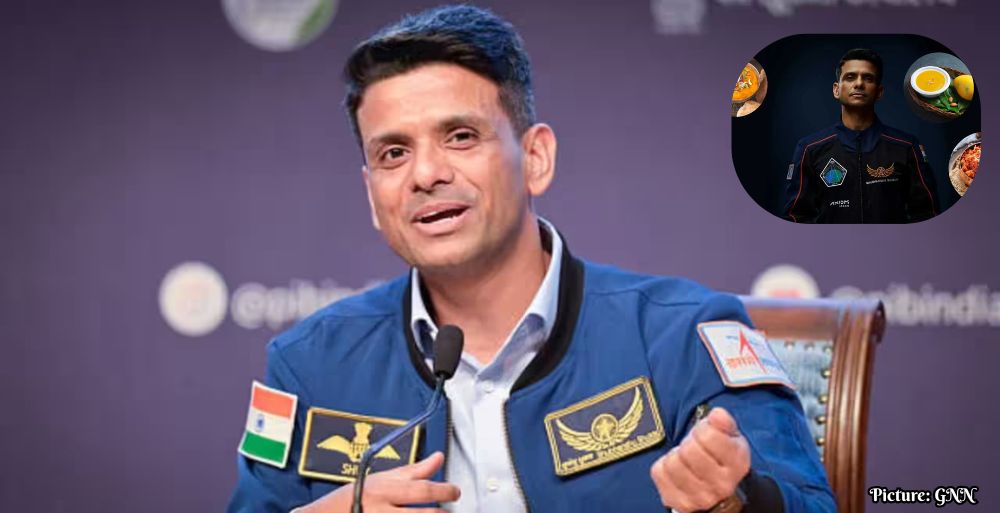
During his mission to the International Space Station, Indian astronaut Shubhanshu Shukla reflected on the complexities involved in selecting space food, revealing that only three Indian dishes were approved for his flight.
On June 2025, Indian astronaut Shubhanshu Shukla embarked on a significant mission to the International Space Station (ISS), carrying with him not only scientific instruments but also a taste of home. His journey, however, highlighted a crucial aspect of space travel: the meticulous and complex process of food selection for astronauts. Despite the efforts made by the Defence Food Research Laboratory (DFRL) to create a menu of Indian dishes suitable for space, only three items received approval for the mission.
The Space Food Selection Process
The DFRL, which operates under India’s Defence Research and Development Organisation (DRDO), prepared an extensive menu featuring beloved Indian dishes such as khichdi, pulao, and various vegetable preparations. However, after rigorous testing and evaluation, only three items—Gajar ka halwa, Moong dal ka halwa, and Aamras—were certified for Shukla’s flight. In a podcast with Raj Shamani, Shukla stated, “We tried to take Indian food. DFRL wanted to qualify as much food as possible so it could eventually be certified for space.” This limited selection underscores the stringent requirements that food must meet before being deemed suitable for consumption in space.
Shukla elaborated on the challenges associated with food approval for space travel, which extend beyond mere culinary preparation. The process requires an extensive series of tests to ensure that the food remains safe, nutritious, and stable throughout the journey. Additionally, food must be resilient to the harsh conditions of launch and microgravity, including the need to avoid floating crumbs that could interfere with spacecraft systems.
Cravings and Culinary Adjustments in Space
Despite the limited selection of Indian cuisine, Shukla experienced cravings for more familiar flavors as his mission progressed. By the 13th day, he recalled, “I started craving salty and spicy food. I even called my flight surgeon and asked if I could get something salty.” Upon returning to Earth, he received a warm welcome from his Indian flight surgeon, who greeted him with traditional snacks such as banana chips and bhakarwadi. These simple treats provided a comforting reminder of home after weeks spent in orbit.
Factors Limiting Space Food Selection
Shukla noted that the exclusion of many traditional dishes from the flight was due to a combination of factors, with time constraints being a significant challenge. He explained, “They wanted to do more tests, but we did not have enough time. So only three foods could clear all the qualification requirements.” Although Shukla himself could not consume the certified Indian dishes, he generously shared them with his international crewmates, who found them delightful. “What better way to be in space than sharing food?” he remarked.
The approval process for space food is multifaceted, requiring rigorous testing to ensure the food is safe and nutritious for long durations without refrigeration. Foods must also withstand the vibrations of launch and operate safely in the microgravity environment of space. Furthermore, the unique physiological changes experienced by astronauts in microgravity—such as fluid shifts that affect taste and smell—necessitate a preference for foods with strong flavors. As a result, traditional space meals often have lower sodium levels to promote astronaut health and well-being during extended missions.
Design Considerations in Space Food Preparation
To mitigate the risks associated with food consumption in space, certain design considerations are implemented. For instance, tortillas are preferred over bread to prevent crumbs from floating into sensitive equipment, and seasonings are often included in liquid forms rather than as shakers to minimize mess. These adjustments reflect the broader challenges faced by space agencies in ensuring that astronauts can eat safely and enjoyably while in orbit.
The Future of Indian Cuisine in Space
The experience gained from Shukla’s mission is expected to inform the ongoing development of space food by the DFRL for future Gaganyaan astronauts. The goal is to ensure that India’s first human spaceflight crew can enjoy a more varied and culturally significant menu while living and working in orbit. Lessons learned from Shukla’s mission will undoubtedly contribute to the expansion of the Indian space food repertoire, providing astronauts with a richer experience during their time in space.
Broader Implications for Space Exploration
The challenges of creating space food that meets both nutritional and culinary standards extend beyond individual missions. As space exploration continues to evolve, particularly with plans for longer missions to the Moon and Mars, understanding the dietary needs and preferences of astronauts will play a critical role in mission planning. Successful adaptation of culturally significant foods for space travel not only enhances the well-being of astronauts but also fosters a sense of connection to their home cultures, which is vital during extended missions away from Earth.
In conclusion, Shubhanshu Shukla’s experience aboard the ISS sheds light on the intricate and demanding nature of space food selection. As agencies like DFRL continue to innovate and expand their offerings, the future of Indian cuisine in space looks promising, paving the way for a more diverse and culturally inclusive approach to astronaut nutrition.