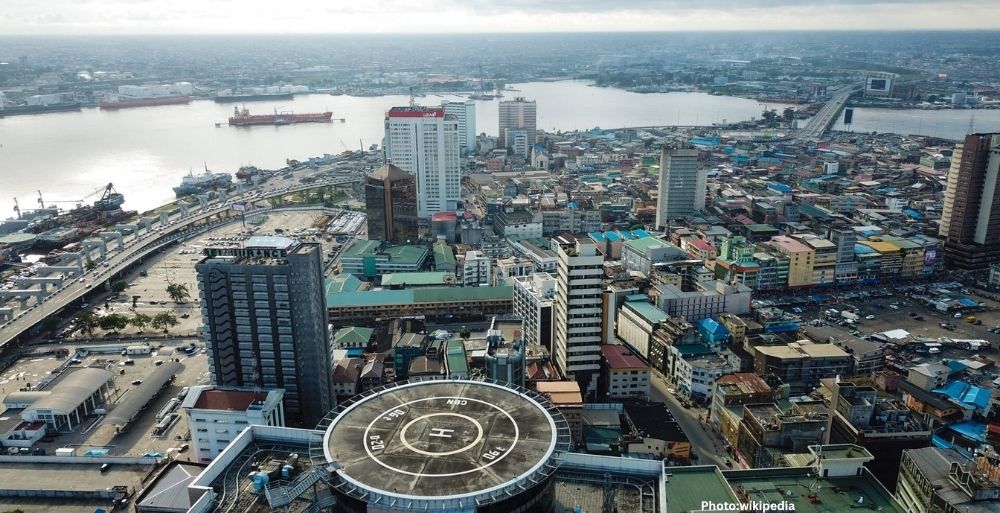
Nigeria is projected to emerge as the fifth richest country globally within the next 50 years, while Côte d’Ivoire may overtake France in wealth in around 70 years, according to forecasts presented at the ECOWAS Parliament session in Abuja.
Nigeria could ascend to the status of the world’s fifth richest and most influential nation within the next half-century, according to forecasts articulated by Dr. Kalilou Sylla, the Commissioner for Economic Affairs and Agriculture of the Economic Community of West African States (ECOWAS) Commission. This assertion was made during the 2026 First Ordinary Session of the ECOWAS Parliament held in Abuja, where discussions focused on the critical themes of regional integration and economic cooperation in West Africa.
Dr. Sylla referenced projections from the United Nations and various academic institutions, suggesting a significant economic transformation in West Africa. In addition to Nigeria’s anticipated rise, he mentioned that Ghana and Côte d’Ivoire could rank among the world’s 15 richest nations within the next 25 years. Moreover, he posited that Côte d’Ivoire could potentially surpass France economically within approximately 70 years, a claim that may raise eyebrows given France’s longstanding position as one of the globe’s largest economies by gross domestic product (GDP).
Context of Economic Projections
These remarks come at a time of heightened scrutiny of regional economic dynamics as West Africa faces political instability, currency pressures, and the challenges posed by a decelerating global economy. Dr. Sylla emphasized that while these projections are optimistic, the current trajectory of regional institutions is not sufficiently agile to keep pace with the rapid economic integration sought by both citizens and businesses.
“We are working very far from the ECOWAS citizens; the people are ahead, and we as community institutions are lagging behind,” Dr. Sylla stated, highlighting a disconnect between institutional frameworks and the aspirations of the populace. This sentiment underscores a critical challenge for ECOWAS as it strives to promote economic growth and integration among member states.
Trade Integration as a Key Factor
Dr. Sylla articulated that Nigeria’s long-term economic ambitions largely depend on establishing stronger trade and market integration within West Africa, rather than relying heavily on Western economies. He asserted, “It is not the American or English markets that will let the Nigerian market grow, but the sub-regional markets.” This statement signifies a pivotal shift towards regional collaboration for economic expansion.
He urged Nigeria to formulate a clear economic strategy that prioritizes West Africa, specifically regarding cross-border trade and market access. “If Nigeria does not establish a clear policy for West Africa, nothing will change,” he cautioned. “We cannot be the fifth most powerful country in the world in fifty years without having a clear economic interest for West Africa regarding the transfer of goods.” This emphasizes the necessity for Nigeria to strengthen its economic ties within the region.
Challenges Within Regional Markets
Furthermore, Dr. Sylla pointed out the existing barriers that hinder access to the Nigerian market for neighboring economies, despite Nigeria’s dominant position in regional trade. He noted that Nigeria is the largest economy in Africa by GDP, accounting for a substantial share of West Africa’s economic output, exports, and banking activities. Over the past decade, Nigerian banks have aggressively expanded their services across the region, thereby reinforcing the country’s financial influence.
Highlighting progress in regional trade, Dr. Sylla noted that intra-regional trade within ECOWAS has doubled to 40% over the past four years. This statistic serves as evidence of the potential for deeper economic integration; however, he acknowledged that numerous political and logistical challenges persist. “That means it is possible. We can move faster, but we are not yet there,” he stated, indicating that while progress has been made, there is still much work to be done.
Focus of the ECOWAS Parliament Session
The ECOWAS Parliament session, which convened from May 4 to 17, centered on key issues such as regional governance, trade integration, and economic cooperation. As West Africa continues to navigate a complex landscape characterized by political turbulence and economic pressures, the discussions held during this session are crucial for shaping the future of regional collaboration and economic policy.
The projections made by Dr. Sylla reflect a broader ambition among ECOWAS member states to enhance regional cooperation and economic interdependence, particularly in light of global economic challenges. The emphasis on intra-regional markets as a means to bolster economic growth highlights a strategic shift towards self-reliance within West Africa.
In conclusion, while Dr. Sylla’s projections offer a hopeful vision for West Africa’s economic future, they also underscore the urgent need for effective policy measures and structural reforms to address existing barriers and enhance regional integration. The success of these ambitions will depend on the collective efforts of ECOWAS member states to foster an environment conducive to trade and investment, as well as to address the political and logistical challenges that currently hinder economic cooperation.