Over the past decade, the United Kingdom has experienced a significant turnover in its prime ministers, with six leaders occupying the role since 2016. This instability has been shaped by major events including Brexit, the COVID-19 pandemic, and ongoing economic challenges.
London — The official residence of the British Prime Minister, located at Number 10 Downing Street, has seen an unprecedented level of turnover in its occupants over the last decade. Since 2016, the United Kingdom has had six different prime ministers, with four of them taking office in just the last four years. This rapid succession of leadership has left many questioning the stability and direction of British politics.
Understanding the Selection of British Prime Ministers
In the United Kingdom, the process for selecting a prime minister differs significantly from the direct electoral approach seen in the United States. U.K. voters elect Members of Parliament (MPs) to the House of Commons, and the leader of the party that secures a majority of seats typically becomes the prime minister. This parliamentary system allows for party leaders to be replaced without necessitating a general election, as long as they lose the confidence of party members. Consequently, a prime minister can be ousted while the government remains in power until the next general election, which is mandated to occur every five years at a minimum.
This system has contributed to a climate of political instability, as evidenced by the frequent leadership changes that have become the norm over the past decade. The implications of this instability extend beyond individual leaders to broader public sentiment and party dynamics.
The Impact of Brexit on Leadership
The tumultuous journey can be traced back to the 2016 Brexit referendum, when a narrow majority of British voters chose to leave the European Union. This pivotal decision initiated a profound realignment within British politics, particularly impacting the Conservative Party, which had been under the leadership of David Cameron. Cameron’s decision to hold the referendum was part of his 2015 re-election campaign, and he resigned shortly after the referendum results, as the outcome diverged from his pro-Remain stance.
Following Cameron’s resignation, Theresa May took over the leadership amid the monumental task of delivering on Brexit promises. However, her tenure was marked by internal party divisions and ultimately culminated in her resignation in 2019. Boris Johnson, who succeeded May, campaigned on the slogan “Get Brexit done,” and his leadership initially seemed to resonate with the electorate. Nevertheless, Johnson’s administration faced significant challenges, including record levels of immigration and allegations of rule-breaking during the COVID-19 pandemic, leading to his resignation in September 2022.
The Short-Lived Tenure of Liz Truss
Liz Truss, who succeeded Johnson, holds the record for the shortest prime ministerial term in British history, serving only 45 days. Her controversial economic policies, particularly a mini-budget that proposed unfunded tax cuts, resulted in significant market instability and rising mortgage rates, prompting her to resign in October 2022.
Rishi Sunak then assumed the role, yet he too struggled to navigate the complexities of the ongoing cost of living crisis exacerbated by the pandemic and global conflicts. After nearly two years of Sunak’s leadership, the Labour Party achieved a decisive victory in the July 2024 general election, marking a significant shift in power dynamics.
The Leadership of Keir Starmer
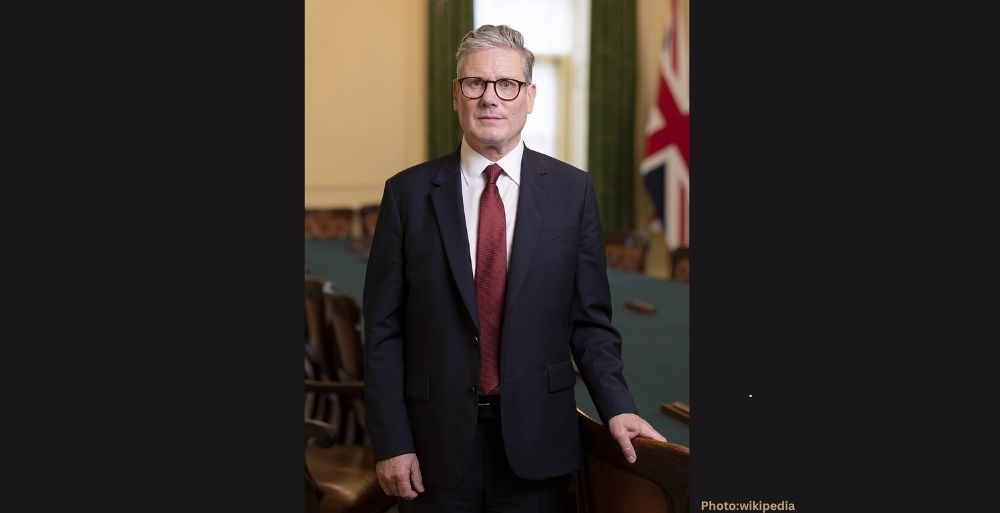
Keir Starmer, as the leader of the Labour Party, became prime minister following this electoral success. However, his administration has been marred by internal strife and controversies, including questions surrounding the appointment of Peter Mandelson, associated with Jeffrey Epstein, to a prominent ambassadorial position. The recent local election results have further compounded the challenges Starmer faces, as the Labour Party performed poorly, prompting calls for his resignation from within the party.
Despite the pressure, Starmer has resisted stepping down, although potential leadership challengers are emerging within the Labour ranks. The significance of these internal dynamics cannot be overstated, as the leader of the party with the most parliamentary seats automatically becomes the prime minister.
Emerging Political Alternatives
Amidst this backdrop of instability, Nigel Farage and his Reform UK party have gained traction, positioning themselves as a viable alternative for voters disillusioned with the traditional two-party system. Farage’s rise is indicative of the shifting political landscape in Britain, as voters increasingly seek options that reflect their frustrations with the existing parties.
Under current U.K. law, Starmer must call for a new general election by August 2029, five years after the last. However, increasing internal challenges could prompt calls for an earlier election, particularly if a new Labour leader emerges. The ongoing carousel of leadership in Britain highlights a broader breakdown of traditional political loyalties, suggesting that the landscape of British politics may continue to evolve rapidly in response to public sentiment and dissatisfaction.
“Every vote since 2016 and the Brexit referendum has effectively been a vote for change,” stated Luke Tryl, U.K. director of the opinion research organization More in Common. “People were saying, ‘We’re not happy. We don’t like the sort of structure and settlement in modern Britain.’ That change hasn’t been delivered, and I think that helps to explain this sort of instability.”