The 2025–26 sports season saw Cristiano Ronaldo emerge as the highest-paid athlete globally, with total earnings of $300 million, emphasizing the growing disparity in earnings among elite sports figures.
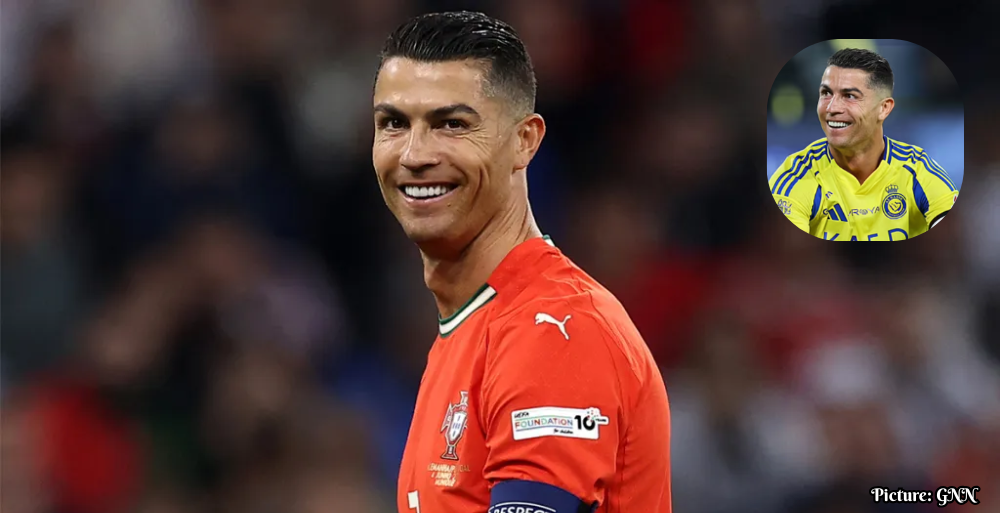
The world of professional sports experienced a remarkable financial surge in the 2025–26 season, with the ten highest-paid athletes collectively earning over $1.4 billion. This staggering figure illustrates not only the immense profitability of sports but also the increasing concentration of wealth among a select group of elite athletes. At the forefront of this financial landscape is Cristiano Ronaldo, who achieved a historic milestone by surpassing $300 million in total earnings, making him the only athlete to exceed the $200 million mark for the season.
Ronaldo’s Unprecedented Earnings
Ronaldo’s earnings were significantly bolstered by his lucrative contract with the Saudi Pro League, where he earned approximately $235 million from on-field activities. Additionally, his off-field ventures, which include endorsements and personal appearances, contributed an impressive $65 million. This combination of earnings placed him roughly $130 million ahead of his closest competitor, Canelo Álvarez, a Mexican boxer who ranked second with total earnings of $170 million, primarily derived from his boxing matches.
Top Ten Highest-Paid Athletes
The comprehensive ranking of the highest-paid athletes for the 2025–26 season, as reported by Forbes, is as follows:
- 1. Cristiano Ronaldo (Portugal) – $300 million (On-Field: $235 million, Off-Field: $65 million)
- 2. Canelo Álvarez (Mexico) – $170 million (On-Field: $160 million, Off-Field: $10 million)
- 3. Lionel Messi (Argentina) – $140 million (On-Field: $70 million, Off-Field: $70 million)
- 4. LeBron James (USA) – $137.8 million (On-Field: $52.8 million, Off-Field: $85 million)
- 5. Shohei Ohtani (Japan) – $127.6 million (On-Field: $2.6 million, Off-Field: $125 million)
- 6. Stephen Curry (USA) – $124.7 million (On-Field: $59.7 million, Off-Field: $65 million)
- 7. Jon Rahm (Spain) – $107 million (On-Field: $97 million, Off-Field: $10 million)
- 8. Karim Benzema (France) – $104 million (On-Field: $100 million, Off-Field: $4 million)
- 9. Kevin Durant (USA) – $103.8 million (On-Field: $54.8 million, Off-Field: $49 million)
- 10. Lewis Hamilton (UK) – $100 million (On-Field: $70 million, Off-Field: $30 million)
Dominance of Soccer and Basketball
The dominance of soccer and basketball is evident in the top ten, with each sport contributing three athletes to the list. Soccer’s representation includes Ronaldo, Lionel Messi, and Karim Benzema, while basketball features LeBron James, Stephen Curry, and Kevin Durant. Each of these athletes not only excels in their respective sports but also commands significant attention and financial backing through endorsement deals and sponsorships.
In contrast, the remaining four positions in the top ten are filled by athletes from boxing, baseball, golf, and Formula 1, showcasing the diversity and varying earning potentials across different sports. For instance, while boxing’s Canelo Álvarez earned the vast majority of his income from competitive bouts, Lionel Messi’s earnings reflect a more balanced distribution between on-field performance and off-field endorsement deals.
Trends in Off-Field Earnings
The trend of off-field earnings is increasingly prominent among elite athletes. Shohei Ohtani, a unique case, earned an estimated $127.6 million, with only $2.6 million attributed to on-field performance. This discrepancy results from his record-setting $700 million contract with the Los Angeles Dodgers, which is deferred and will not start generating income until 2034. As a result, Ohtani’s current earnings are heavily reliant on endorsement deals, highlighting how brand partnerships are becoming a pivotal income source for top athletes.
Similarly, LeBron James exemplifies the shift towards off-field income, with over 62% of his earnings derived from endorsements, partnerships, and personal business ventures. This trend underscores the growing importance of athlete branding and commercial endeavors in today’s sports economy.
Comparative Earnings Analysis
On the other end of the spectrum, athletes like Karim Benzema and Jon Rahm predominantly rely on their competitive performance, earning nearly all of their income from on-field activities. Benzema’s earnings are particularly noteworthy, with 96% of his income derived from his contract with Al-Ittihad in the Saudi Pro League, while Canelo Álvarez and Jon Rahm similarly see the majority of their earnings come from competition-related activities.
This disparity in income sources illustrates the diverse financial strategies employed by athletes, reflecting the varying dynamics within different sports. While some sports, like soccer and basketball, allow for significant off-field earnings through endorsements, others remain more reliant on competition-based income.
Implications for the Future
The financial landscape for athletes in the 2025–26 season not only highlights their exceptional talent and marketability but also raises questions about sustainability and equity within professional sports. The increasing concentration of earnings among top performers may have implications for emerging talent and the overall competitive balance across various sports. As brands and sponsors continue to seek athletes who can deliver both performance and marketability, the gap between elite athletes and their peers may widen further.
Conclusion
The earnings of the highest-paid athletes during the 2025–26 season reflect broader economic trends in sports, where a few elite figures dominate the financial landscape. This concentration of wealth raises important questions about the implications for athlete development, sponsorship strategies, and the sustainability of sports as a viable career path for future generations.