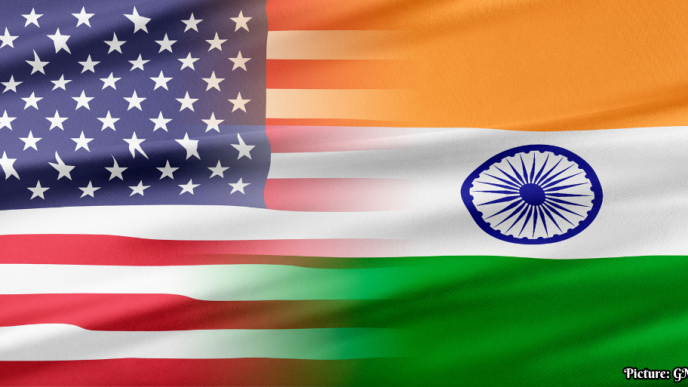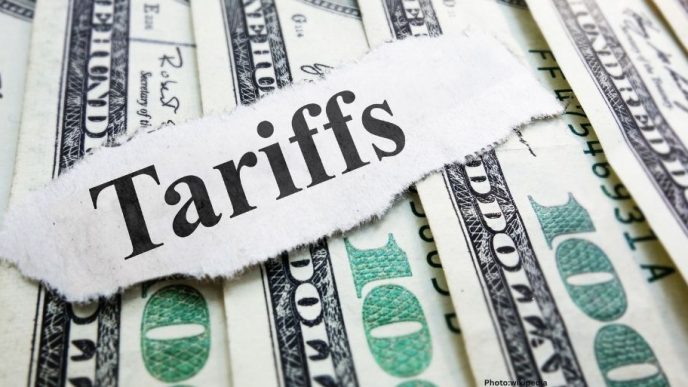
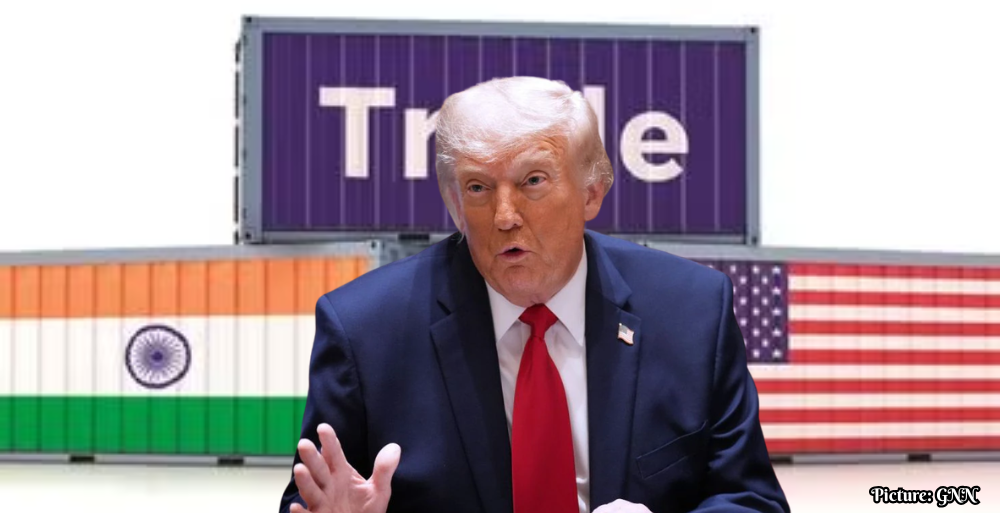
The United States has proposed a 12.5% tariff on imports from India, citing failures to address forced labor practices, complicating ongoing trade negotiations between the two nations.
NEW DELHI, June 3 (Reuters) – The United States has proposed an additional tariff of 12.5% on imports from India, declaring that the South Asian nation is among 60 economies that have not adequately addressed the importation of goods produced with forced labor. This development threatens to complicate ongoing trade negotiations currently taking place in New Delhi.
The proposal, issued by the U.S. Trade Representative’s office, emerged on the second day of a three-day meeting between Indian trade officials and a delegation from the U.S. led by Assistant USTR Brendan Lynch. The U.S. Trade Representative’s office criticized India for its insufficient enforcement of a prohibition against imports made with forced labor, labeling the country’s policies as “unreasonable” and a burden on U.S. commerce.
“The failure of our most important trading partners to address the importation of goods made with forced labor is unacceptable,” U.S. Trade Representative Jamieson Greer stated. “This creates a dynamic where American workers are forced to compete globally on an unlevel playing field.”
Background of the Tariff Proposal
The proposed tariff follows a Section 301 investigation into unfair trade practices initiated during the Trump administration. This investigation aims to reinstate emergency tariffs that had previously been overturned by the U.S. Supreme Court in February. As part of this investigation, India has been categorized alongside 54 other economies that lack a robust forced-labor import prohibition, thereby facing the proposed higher tariff.
In contrast, six other nations—Canada, Ecuador, members of the European Union, as well as Indonesia, Mexico, and Pakistan—have established such prohibitions but are subject to a lower tariff of 10% due to ineffective enforcement. This differentiation highlights the U.S. administration’s efforts to encourage adherence to labor standards in international trade.
Reactions and Implications for Trade Relations
Ajay Srivastava, founder of the Global Trade Research Initiative, expressed skepticism regarding the findings of the U.S. Trade Representative’s report. He noted that the investigation primarily focused on whether India is blocking imports associated with forced labor from other countries, rather than examining the issue of forced labor within Indian exports.
“The proposed tariffs are viewed as part of broader U.S. pressure tactics,” Srivastava articulated. “India should treat Section 301 actions and the India–U.S. bilateral trade agreement negotiations separately.”
An anonymous source within the Indian government informed Reuters that New Delhi plans to address the Section 301 investigation with Lynch’s team and is expected to request tariff relief as part of the broader two-way trade agreement discussions.
India’s Role in Global Supply Chains
The USTR report also highlighted India’s role as an intermediary in cotton supply chains that are linked to forced labor inputs from China. This complicates the narrative surrounding India’s trade practices and its commitment to addressing human rights concerns in supply chains. India’s position as a significant player in global textile production makes this issue particularly pertinent, as international buyers increasingly scrutinize supply chains for ethical compliance.
Historical Context of U.S.-India Trade Relations
The relationship between the United States and India has been marked by both cooperation and tension, particularly in trade. Historically, the two countries have sought to enhance economic ties, with various agreements aimed at reducing tariffs and facilitating trade. However, these negotiations have often been stalled by disputes over market access, intellectual property rights, and labor standards.
The proposed tariff could exacerbate existing frictions and complicate efforts to finalize a comprehensive trade agreement that has been in negotiation for several years. The U.S. has long expressed concerns about trade imbalances and practices it views as unfair, while India has been eager to bolster its economic ties with the U.S. amid rising global competition.
As the discussions continue, both nations will need to navigate these complex issues regarding labor rights and trade practices, which are likely to have significant implications for their bilateral relationship moving forward. The outcome of these negotiations may not only affect trade policies but also broader economic ties between the two countries.
Looking Ahead
The looming tariff proposal and the ongoing trade dialogue underscore the challenges both countries face in reconciling trade practices with ethical labor standards. As international scrutiny of labor practices intensifies, both the U.S. and India must find common ground to ensure that any trade agreements are mutually beneficial while also adhering to global labor standards.
In conclusion, the proposed tariff represents a critical juncture in U.S.-India trade relations, potentially reshaping the landscape of future negotiations. Both nations will have to engage in constructive dialogue to address the concerns raised by the U.S. while promoting a trade environment that supports economic growth and ethical labor practices.