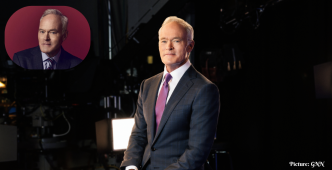
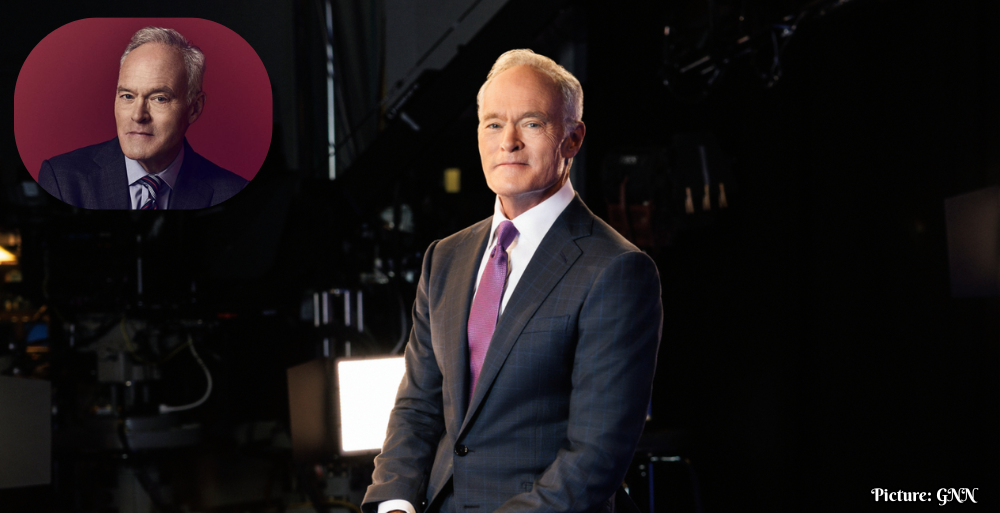
Scott Pelley, a longtime correspondent for CBS’s 60 Minutes, publicly condemned the network’s new leadership after being dismissed, alleging attempts to compromise journalistic integrity.
Scott Pelley, a veteran correspondent for CBS’s flagship investigative program 60 Minutes, was terminated on Tuesday amidst escalating tensions with the network’s new management. In a pointed statement shared on social media, Pelley accused executives of pressuring him to compromise journalistic integrity by injecting ‘falsehoods and bias’ into his reporting. This development has ignited discussions about the future of journalism at CBS and the implications of leadership changes within the network.
Pelley, who has been associated with 60 Minutes since 2004, expressed deep concerns regarding the direction of the program under the new administration. He stated, “‘60’ has been the number-one program in America for decades because our beloved audience finds integrity, quality, and humanity in our stories.” This assertion underscores the program’s long-standing commitment to thorough and unbiased journalism, which has garnered a loyal audience over the decades.
Management Changes at CBS
The leadership shake-up at CBS News began last month when the network’s executive producer, executive editor, and two senior correspondents were unexpectedly dismissed. The reasons for these firings have not been publicly disclosed, leading to speculation about the network’s strategic shift under new management. Pelley characterized these changes as detrimental, stating, “60 Minutes lost its DNA when our entire senior leadership and two of our best on-air correspondents were cruelly fired without cause.” This statement reflects the unease within the organization regarding the new direction imposed by CBS’s executives.
Pelley’s criticism extends to the management’s approach, which he believes has undermined the program’s core principles, suggesting a shift towards catering to political interests. He specifically criticized the practice of allowing politicians to select interviewers for 60 Minutes segments, asserting, “Giving politicians control over 60 Minutes interviews is not how this is done.” This concern highlights ongoing debates about the ethical boundaries of journalism, particularly in politically charged environments, where the integrity of the press is often called into question.
Details of Dismissal
Pelley’s dismissal followed a contentious meeting with CBS News executives, including newly appointed executive editor Nick Bilton and opinion commentator Bari Weiss, who was named editor-in-chief in October. During this meeting, Pelley reportedly voiced strong objections to Weiss’s influence, asserting, “She’s murdering 60 Minutes. She does not love this place. She was brought in to kill it and is doing exactly that.” This public confrontation reportedly contributed to Pelley’s termination, which he described as being communicated to him in a message from Bilton that criticized his conduct during the meeting.
In a subsequent statement, Pelley contested remarks made by Weiss during a network conference call, where she claimed efforts were made to reconcile differences before his dismissal. He countered, stating, “Bari Weiss knows what she said is not true,” and accused management of misleading staff about the circumstances surrounding his departure. Pelley’s assertion of a lack of attempts to mediate reflects broader concerns about transparency and trust within the newsroom. The implications of such a breakdown in communication could affect morale and productivity among CBS News staff.
Implications for CBS News
The ongoing turmoil at CBS News raises significant questions about the future of journalistic standards within the network. Pelley highlighted his commitment to factual reporting, stating he had consistently resisted directives to include unverified claims in his stories. He expressed dismay over the current management’s disregard for these journalistic principles, asserting, “These executives cannot gain the trust of staff with lies. This is antithetical to everything we stand for and reveals contempt for what journalists do.”
The fallout from Pelley’s dismissal may extend beyond his personal career, potentially impacting CBS News’s reputation and its standing with viewers. The program has long been revered for its investigative journalism and storytelling prowess, making any shift in editorial direction a critical point of concern for its audience. As trust in media continues to wane among the public, the challenges CBS faces in maintaining its credibility are amplified by such high-profile departures.
Reactions Within CBS
In response to the upheaval, Weiss acknowledged Pelley’s contributions to 60 Minutes, calling them “unforgettable stories.” However, she also reiterated the need for a newsroom built on trust and respect, indicating that the recent changes, including Pelley’s departure, were aligned with a new vision for the network. Her comments suggest a commitment to a transformative agenda, even as they raise concerns about the long-term implications for the program.
The contrasting perspectives from Pelley and Weiss highlight the complexities facing CBS News as it navigates internal strife and public expectations. As the network adapts to its new leadership, the implications of these decisions will likely resonate across the industry, prompting discussions about journalistic integrity, accountability, and the role of media in contemporary society. Moreover, the fallout from this incident may influence how news organizations balance editorial independence against the pressures of corporate interests and political affiliations.
Ultimately, the situation at CBS News serves as a case study in the evolving landscape of journalism, where the intersection of media, politics, and corporate governance becomes increasingly fraught. Observers will likely watch closely to see how CBS navigates these challenges and whether it can maintain its commitment to quality journalism in the face of internal and external pressures.