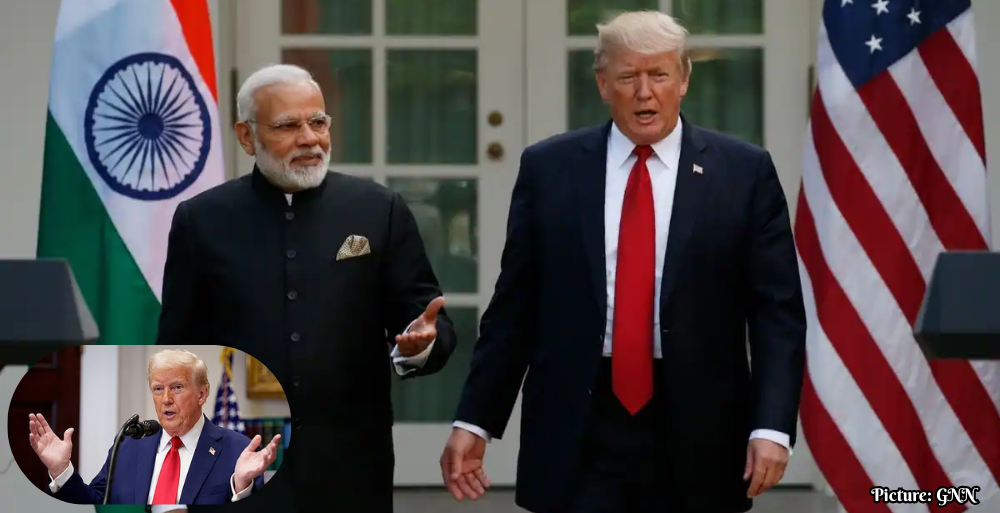
U.S. President Donald Trump expressed optimism about a forthcoming trade agreement with India, praising Prime Minister Narendra Modi and highlighting the positive momentum from recent negotiations.
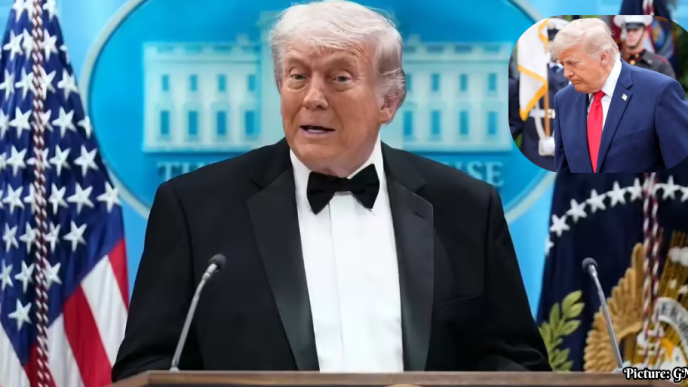
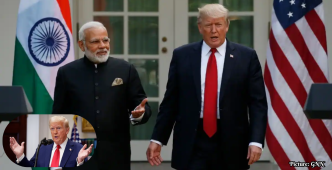
In a press briefing held in the Oval Office on June 4, 2026, U.S. President Donald Trump conveyed confidence in reaching a trade agreement with India, underscoring his personal rapport with Indian Prime Minister Narendra Modi. “We will get to a deal because I like your prime minister a lot. He is a good friend of mine. We get along great, and we are gonna make a deal,” Trump told reporters, indicating a strong commitment to concluding negotiations that have been ongoing between the two nations.
These remarks come on the heels of a U.S. delegation’s recent four-day visit to India, where discussions focused on establishing an interim bilateral trade agreement. According to India’s Commerce Ministry, the atmosphere during the negotiations was marked by cooperation and pragmatism, with both parties reiterating their dedication to forming a mutually beneficial agreement aimed at enhancing bilateral economic ties.
Historical Context and Trade Relations
The economic relationship between the United States and India has evolved significantly over the last two decades, particularly since the signing of the U.S.-India Civil Nuclear Agreement in 2008. This pivotal agreement opened pathways for increased cooperation across various sectors, including trade. However, the relationship has faced challenges, often due to disagreements over tariffs, market access, and trade imbalances.
During his briefing, President Trump criticized India’s tariff structure, claiming that it has historically placed American companies at a disadvantage. “They charged tremendous amounts of tariffs to our companies, and we didn’t charge them anything,” he stated, reflecting a common grievance voiced by U.S. businesses regarding the trade dynamics with India. This comment aligns with ongoing discussions about trade policies that have been contentious points in U.S.-India relations.
Current Trade Dynamics and Figures
As of 2025, trade between the United States and India was valued at approximately $146 billion, making both countries significant players in the global economy. This trade encompasses a wide array of goods and services, but has also been marred by disputes over agricultural products, intellectual property rights, and digital services. These issues have remained at the forefront of trade negotiations, complicating the potential for a comprehensive agreement.
The Trump administration’s approach to international trade has emphasized renegotiation of existing agreements and the establishment of new bilateral agreements that prioritize U.S. interests. This strategy aims to reduce trade deficits and increase market access for American companies, particularly in sectors where U.S. businesses face significant barriers abroad.
Implications of a Potential Trade Agreement
Should a trade agreement be finalized, it could have substantial implications for both the U.S. and Indian economies. Proponents argue that such a deal would not only bolster economic ties but also enhance the strategic partnership between the two nations, particularly in light of the increasing influence of China in the Asia-Pacific region. A formal agreement could create a framework to address critical issues such as market access for U.S. agricultural products, reductions in tariffs on industrial goods, and stronger protections for intellectual property rights.
A balanced trade relationship has been a longstanding goal of both nations, and advocates suggest that a comprehensive trade agreement could pave the way for addressing these longstanding grievances. The potential for enhanced cooperation extends beyond mere economic benefits, as it could also foster greater collaboration in various sectors, including technology, defense, and climate change.
Challenges and Future Outlook
Despite the optimistic tone from both leaders, the path to a finalized trade agreement is fraught with challenges. Domestic pressures in both countries, coupled with varying geopolitical considerations, could complicate negotiations. The complexities inherent in trade discussions often require careful navigation to reconcile differing priorities and interests.
As the U.S. and India continue their negotiations, both sides appear committed to pursuing an agreement that reflects their mutual interests. The acknowledgment of the potential benefits from enhanced cooperation suggests a recognition of the strategic importance of the U.S.-India relationship in the current global landscape.
President Trump’s recent comments highlight a critical juncture in U.S.-India relations, as both countries strive to capitalize on their economic partnership amidst a rapidly changing world. While the optimism expressed by Trump may signal positive momentum, the outcome of these negotiations will ultimately depend on the ability of both nations to engage in constructive dialogue and compromise on key issues.