
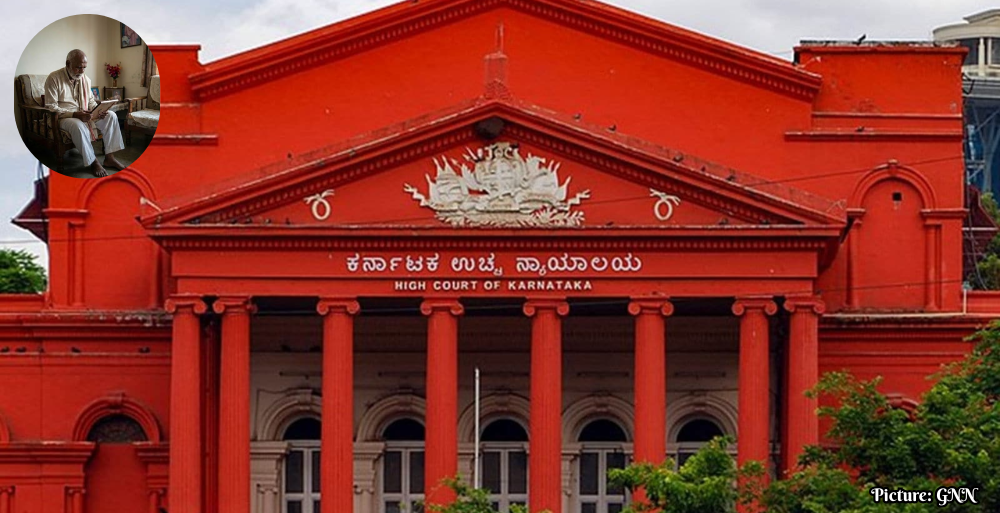
The Karnataka High Court’s recent ruling on October 20, 2023, underscores a pivotal development in the legal rights of senior citizens and Overseas Citizens of India (OCI), broadening access to welfare benefits and challenging existing interpretations of the Senior Citizens Act.
The Karnataka High Court issued a landmark ruling on October 20, 2023, that addresses the rights of senior citizens in India, particularly regarding the involvement of Overseas Citizens of India (OCI) cardholders in welfare provisions. This ruling emerged from a legal challenge initiated by a group of senior citizens who contested the Karnataka government’s restrictive interpretation of the Senior Citizens Act, 2007, which they argued excluded OCI holders from accessing vital benefits.
Background of the Senior Citizens Act
The Senior Citizens Act was established in 2007 to provide a framework for the welfare of senior citizens in India, including provisions for maintenance, support from family members, and access to various social welfare schemes. The Act reflects the Indian government’s commitment to ensuring the dignity and welfare of older adults, a demographic that has been steadily increasing. According to the 2011 Census, approximately 8.6% of India’s population was aged 60 and above, a figure projected to rise significantly in the coming years due to increasing life expectancy and declining fertility rates.
The Case at Hand
The legal dispute arose when the petitioners, a group of senior citizens, argued that the benefits enshrined in the Senior Citizens Act should extend to all senior citizens residing in India, including OCI holders. The petitioners contended that the exclusion of OCI holders from these benefits was not only discriminatory but also violated their fundamental rights. They asserted that many OCI holders have lived in India for substantial periods, contributing to the local economy and society.
Details of the Ruling
In its decision, the Karnataka High Court sided with the petitioners, affirming that the protections and benefits outlined in the Senior Citizens Act should not be limited to Indian nationals. Justice Ravi Malimath, who presided over the case, articulated that the Act’s intention was to support all senior citizens residing in India, irrespective of their citizenship status. The Court emphasized that safeguarding the rights and dignity of senior citizens is paramount, thereby reinforcing the notion that welfare provisions should be inclusive.
This ruling is viewed as a progressive step towards inclusivity, particularly for OCI holders who have established roots in India. The Court’s decision aligns with broader legal principles emphasizing the protection of rights for vulnerable populations, reflecting a shift in the judicial approach to citizenship and entitlement.
Reactions to the Ruling
The response to the ruling has been mixed. Advocates for senior citizen rights have praised the decision as a significant advancement in recognizing the contributions of non-citizens to Indian society. Dr. Anjali Rao, a prominent advocate in the field of senior citizen welfare, commented, “This decision will pave the way for more inclusive policies that recognize the contributions of all individuals, regardless of their formal citizenship status. It is a landmark ruling that reflects the changing demographics of our society.”
Conversely, some legal experts have expressed concerns regarding the potential implications of this ruling. Critics argue that extending the benefits of domestic laws to OCI holders could impose additional burdens on already stretched state resources, particularly in welfare programs that are experiencing increased demand. Professor Amit Sharma, a legal analyst, remarked, “While the ruling is commendable in its inclusivity, it raises questions about the sustainability of welfare systems if non-citizens begin to access the same benefits as citizens.” This concern echoes a long-standing debate in policy circles about the balance between inclusivity and resource allocation.
Future Implications
The Karnataka High Court’s ruling not only sets a significant precedent for senior citizens but also raises important questions about the broader legal landscape for OCI holders in India. As the population of OCI cardholders continues to grow, this decision may inspire additional legal challenges regarding the rights of non-citizens across different contexts, including social security, health care, and immigration policy.
Moreover, as India navigates its path toward a more globalized society, the implications of this ruling could resonate across various sectors. Policymakers and legal experts will need to closely monitor the developments following this ruling to gauge its impact on future legislative actions and judicial interpretations. The government may also need to reassess existing policies to effectively incorporate the rights and needs of OCI holders, ensuring that social welfare frameworks remain sustainable in light of evolving demographic realities.
As discussions continue, the balance between protecting the rights of senior citizens and managing state resources will remain a central theme. Stakeholders in the legal and political arenas will undoubtedly engage in ongoing dialogue to address the complexities inherent in this ruling and its potential ramifications for India’s social welfare landscape.