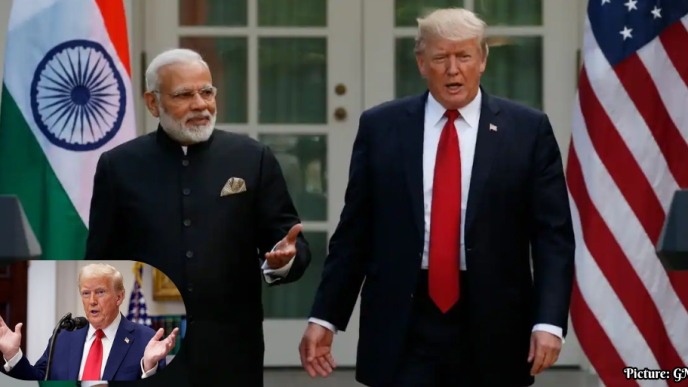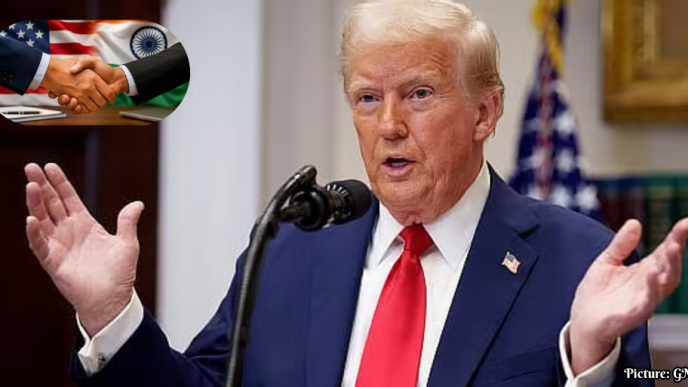
The US Trade Representative has proposed additional duties of 12.5% on 54 countries, including India, citing their failure to effectively prohibit the import of goods produced with forced labour, a claim India has strongly denied.
On June 7, 2025, the Office of the United States Trade Representative (USTR) announced a significant proposal to impose additional tariffs of 12.5% on goods imported from 54 nations, including major economies such as India, China, Brazil, and Japan. This move is part of a broader strategy to address concerns related to forced labour in international trade and follows investigations into these countries’ enforcement of bans on such imports.
USTR’s Position on Forced Labour
Ambassador Jamieson Greer, the US Trade Representative, articulated the USTR’s rationale, stating, “The failure of our most important trading partners to address the importation of goods made with forced labour is unacceptable. This creates a dynamic where American workers are forced to compete globally on an unlevel playing field. We will no longer tolerate this disparity.” Greer’s remarks underscore a commitment to enhance fair trade practices and to hold international partners accountable for labor standards that violate human rights.
Scope of Investigations and Findings
The USTR had previously launched investigations involving 60 countries regarding their compliance with trade laws prohibiting the importation of goods produced with forced labour. The findings revealed a concerning trend: while several countries, including Canada and members of the European Union, have made progress through frameworks like the United States-Mexico-Canada Agreement (USMCA), a significant number of nations have failed to impose or adequately enforce these prohibitions. Specifically, the USTR identified six economies—Canada, Ecuador, the European Union, Indonesia, Mexico, and Pakistan—as not effectively enforcing existing bans on forced labour imports.
Response from India
In response to the USTR’s proposal, the Indian government firmly rejected the allegations, asserting that it does not condone forced labour and is committed to improving labour rights. Officials from India urged the United States to address these issues within the framework of ongoing bilateral trade negotiations, emphasizing the importance of dialogue in resolving trade-related concerns. The Ministry of Commerce of India expressed disappointment over the unilateral nature of the USTR’s proposal, advocating for a collaborative approach to address such critical issues.
Proposed Tariff Structure
The proposed duties will vary based on the compliance levels of individual countries. For nations that have made partial commitments to prohibiting forced labour imports, the USTR suggested a reduced additional duty of 10%. Conversely, the full 12.5% tariff will apply to the remaining countries, including India, which are seen as non-compliant. This substantial increase in tariffs aims to incentivize nations to enhance their enforcement of labour standards and align with international human rights expectations.
Textile Mechanism and Next Steps
In conjunction with the proposed tariffs, the USTR introduced a textile mechanism that would allow a limited volume of apparel and textile imports from certain economies at reduced tariff rates. This mechanism is intended to balance trade relations while encouraging compliance with labour standards. The USTR has called for public comments and requests from interested parties to participate in hearings regarding these investigations, with submissions due by July 6, 2025, and hearings scheduled for July 7, 2025. The outcomes of these discussions are expected to significantly influence US trade policies and its diplomatic relationships with the affected nations.
Implications for Global Trade
The proposed tariffs and ongoing investigations by the USTR reflect a growing trend among Western nations to integrate human rights considerations into their trade policies. As global supply chains come under increased scrutiny, countries may face mounting pressure to address labour rights concerns more robustly. Analysts suggest that this could lead to substantial shifts in trade dynamics, impacting not only the economies of the implicated nations but also the global market for ethically produced goods. The USTR’s actions could serve as a precedent for future trade negotiations, as countries may be compelled to demonstrate compliance with human rights standards in order to maintain favorable trading conditions.
As discussions progress, the effectiveness of the USTR’s proposals will largely depend on the responses from the affected countries and their willingness to engage in constructive dialogue regarding forced labour practices. The outcome of these negotiations could redefine relationships between the US and its trading partners, shaping the landscape of global trade in the years to come.