U.S. Secretary of State Marco Rubio asserts that Iran is willing to negotiate aspects of its nuclear program, despite Tehran’s recent announcement to halt peace talks and bolster its military posture in the Strait of Hormuz.
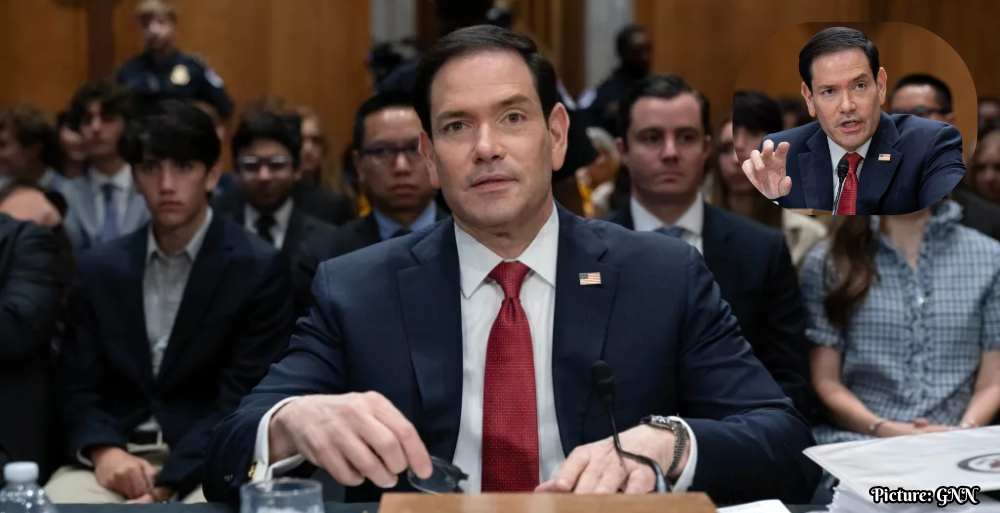
On Tuesday, U.S. Secretary of State Marco Rubio testified before the Senate Foreign Relations Committee, marking his first appearance in this role since the Trump administration initiated military operations against Iran in February. Rubio presented an optimistic view, asserting that Iran has agreed to negotiate elements of its nuclear program, a significant shift from its previous stance just a month ago.
Rubio’s assertions come in the context of escalating tensions in the region, particularly following a report from Iran’s state-affiliated Tasnim News Agency, which indicated that Tehran would cease communication with Washington through intermediaries. This announcement was framed by Iranian officials as a reaction to what they perceived as violations of a ceasefire agreement by Israel, particularly in light of ongoing military operations in Lebanon.
Prospects for Negotiation
In a statement reflecting the administration’s hopeful outlook, Rubio emphasized the possibility of imminent progress in negotiations, stating, “There is the prospect before us, which could happen today, it could happen tomorrow, it could happen next week – that for the first time, certainly in my memory, they have agreed to negotiate aspects of their nuclear program that just a month ago they said they would not.” This claim raises questions about the timing and sincerity of Iran’s willingness to engage in discussions, especially given the backdrop of military conflict.
Leadership Dynamics in Iran
During the hearing, Rubio also addressed the leadership of Iran, specifically mentioning Mojtaba Khamenei, who succeeded his father, Ali Khamenei, after the supreme leader’s death during U.S.-Israeli strikes on February 28. Rubio suggested that Mojtaba Khamenei has been increasingly involved in the regime’s decision-making processes, stating, “I think there are indications out there that he is increasingly engaging at some level.” This observation points to potential shifts in the Iranian leadership structure, which may influence future negotiations.
Assessing Military Capabilities
Rubio provided an assessment of Iran’s military capabilities, claiming that the country’s missile program has been “substantially degraded” and that its drone production capacity has been “eroded.” He stated, “There is no Iranian navy. It lies at the bottom of the ocean and will soon, within a number of years, be prime fishing spots, because they’ll turn into reefs.” However, these assertions have been met with skepticism. A report from The New York Times earlier this year indicated that Iran retains approximately 70% of its prewar missile stockpile. Analysts have noted that while the physical destruction of Iran’s military assets may be significant, the ability to replace these capabilities remains severely compromised, with over 85% of Iran’s ballistic missile, drone, and naval defense industrial base reportedly damaged or destroyed.
Two-Phase Negotiation Framework
In outlining a two-phase framework for negotiations, Rubio provided more detailed conditions than previously disclosed by the administration. He stated that reopening the Strait of Hormuz is a prerequisite for any discussions, emphasizing that Iran must commit to not imposing tolls, assist in removing mines, and refrain from aggression against vessels passing through the strait. “That’s the predicate that opens the door to phase two,” he explained.
Phase two would involve Iran’s commitment to disposing of its stockpile of highly enriched uranium and negotiating long-term limitations on enrichment activities. In a discussion with Senator Chris Murphy, a Democrat from Connecticut, Rubio clarified that any potential sanctions relief would be contingent on Iran’s compliance with nuclear program restrictions. He stated, “Any sanctions relief is condition-based,” reinforcing that this has been the longstanding basis for sanctions against Iran.
Ceasefire Agreements and Economic Implications
Notably, an earlier ceasefire agreement reached in April included an Iranian commitment to reopen the Strait of Hormuz. However, President Trump later accused Iran of “knowingly failing” to uphold this pledge, which led to the U.S. launching a counter-blockade against ships attempting to access Iranian ports. This blockade has resulted in substantial economic losses for Iran, with Rubio estimating that it is costing the country “hundreds of millions of dollars a day” in lost oil revenue.
The Broader Context of U.S.-Iran Relations
Rubio concluded his remarks by reiterating the U.S. position on the Strait of Hormuz, stating, “If they’re going to shut down the straits for everybody, we’re going to shut down the straits for them.” As tensions escalate, the dynamics of U.S.-Iran relations remain precarious, with ongoing military actions and diplomatic negotiations shaping the future of regional stability. The potential for renewed dialogue on Iran’s nuclear program may hinge on the broader geopolitical context, including the role of Israel in the region and the impact of U.S. sanctions.
The implications of these developments extend beyond immediate security concerns, as the potential for a nuclear agreement could reshape alliances and influence global energy markets. As the situation continues to evolve, stakeholders in both the U.S. and Iran will be closely monitoring each other’s actions and rhetoric, highlighting the intricate balance of power in the Middle East.