South Korea’s KOSPI index experienced a significant drop of 2.3%, driven by a sell-off in the technology sector, reflecting broader global economic concerns and investor sentiment.
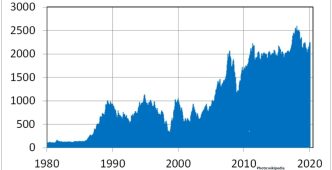
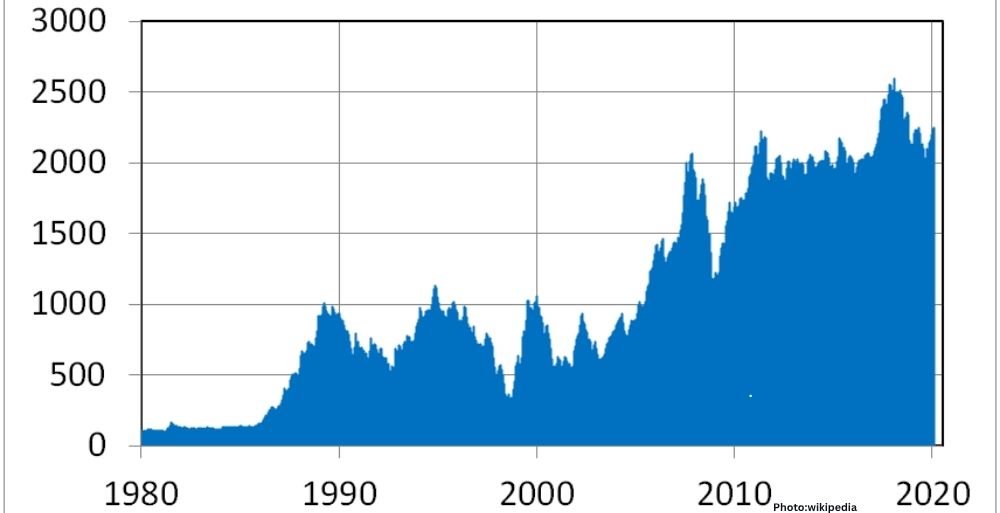
SEOUL, South Korea — On Wednesday, the South Korean stock market faced a notable decline as the benchmark KOSPI index dropped by 2.3%, closing at 2,400 points. This downturn is primarily attributed to a significant sell-off in the technology sector, which has historically been a cornerstone of the country’s economic growth.
Market Overview and Key Players
The KOSPI index tracks the performance of the top 200 companies listed on the Korea Exchange and has shown increasing volatility in recent weeks. This latest decline mirrors trends observed in global markets, particularly affecting technology stocks that have been sensitive to rising interest rates and inflation concerns. Major players in South Korea’s technology landscape, such as Samsung Electronics and SK Hynix, witnessed considerable stock price reductions, compounding the overall market decline.
Specifically, Samsung Electronics recorded a 3.5% decrease in its share price, while SK Hynix’s stock fell by 4.1%. Collectively, these declines reflect a significant loss in market capitalization, amounting to billions of dollars, and highlight the precarious position of investors amid shifting economic indicators. The sell-off in these tech giants underscores the fragility of investor confidence in a challenging economic climate.
Broader Economic Context
The current market conditions are indicative of broader global economic challenges. Analysts point to the tightening monetary policy in the United States as a catalyst for heightened investor anxiety. The Federal Reserve’s recent indications regarding potential further interest rate hikes have prompted a reevaluation of previously lucrative technology stocks, leading to a flight to safer investments.
South Korea’s economy, heavily reliant on exports, is particularly vulnerable to fluctuations in the global tech market. In 2022, technology exports constituted approximately 28% of South Korea’s total exports, highlighting the sector’s critical role in the nation’s economic health. Consequently, developments in international technology markets have immediate and profound implications for South Korea’s economic stability.
Investor Sentiment and Future Outlook
Amid these developments, investor sentiment appears to be waning, with many stakeholders expressing uncertainty regarding the near-term recovery of the technology sector. “The current environment is challenging for tech stocks, and investors are understandably cautious,” stated Lee Joon-seok, a senior analyst at a prominent investment firm. “The volatility we are witnessing is likely to continue as market players adjust to the new economic realities.”
In addition to interest rate concerns, geopolitical tensions in the Asia-Pacific region are also dampening investor confidence. Heightened tensions between the U.S. and China, alongside ongoing issues related to North Korea, have contributed to an atmosphere of uncertainty that deters investment in riskier assets, including technology stocks.
Government Response and Market Resilience
The South Korean government is acutely aware of the challenges currently facing the market and is actively monitoring the situation. Economic policymakers have indicated a willingness to intervene if necessary to stabilize the market and support economic growth. Historical precedents suggest that government intervention can significantly mitigate the impact of market downturns. For example, during the 2008 financial crisis, South Korea implemented various fiscal measures that helped its economy recover more swiftly than many other nations.
As analysts speculate about the potential need for similar interventions in the current economic landscape, discussions are intensifying regarding what measures could be effective in restoring investor confidence and stabilizing the market.
Implications for South Korea’s Economic Future
The decline in the KOSPI index and the broader sell-off in the technology sector raise critical questions about South Korea’s economic trajectory. If the tech sector continues to struggle, the implications for the overall economy could be severe, impacting employment and consumer spending. Furthermore, the interconnectedness of global markets means that South Korea’s economic challenges could have ripple effects on its trading partners and the global economy at large.
As investors and analysts brace for potential further volatility in the coming weeks, the focus will be on how South Korea’s government responds to these challenges. The effectiveness of any proposed interventions will likely shape market dynamics and investor sentiment in the near future.
Conclusion
The recent decline in South Korea’s stock market underscores the delicate balance between domestic economic conditions and global market trends. As the technology sector faces mounting pressures, the implications for South Korea’s economic outlook remain uncertain. Investors will need to navigate a landscape marked by heightened volatility, geopolitical tensions, and evolving economic policies in both domestic and international arenas.