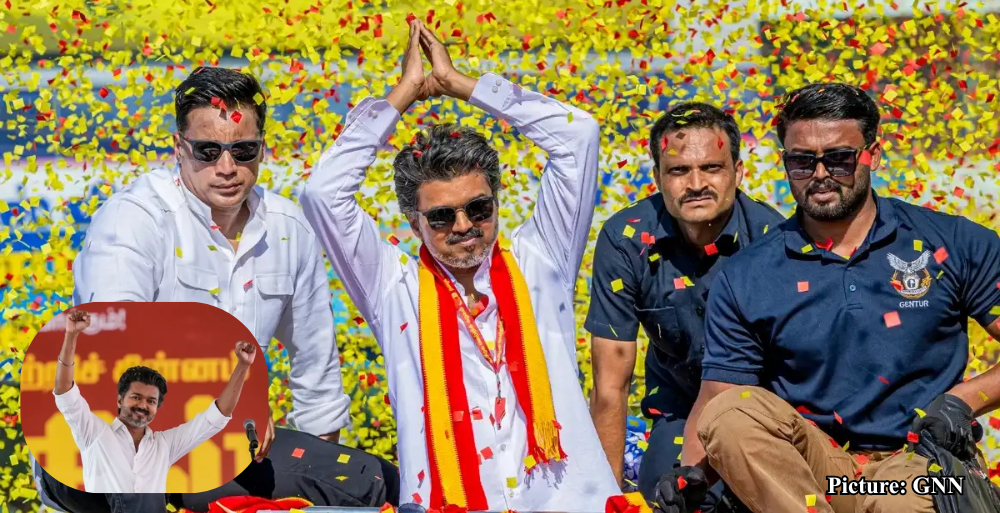
A comprehensive analysis reveals how Vijay’s Tamil Nadu Thalapathi Katchi (TVK) has effectively structured its political campaign, potentially leading to a significant shift in Tamil Nadu’s power dynamics.
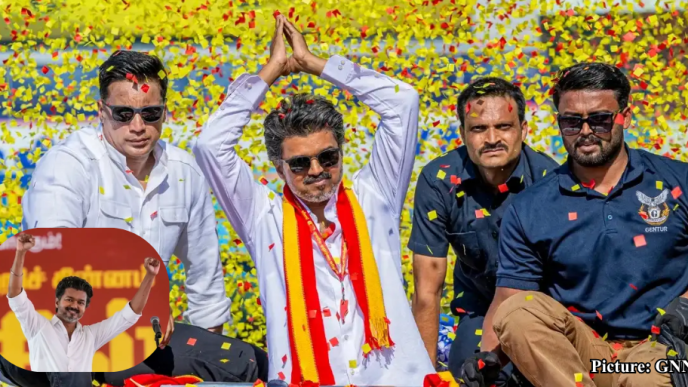
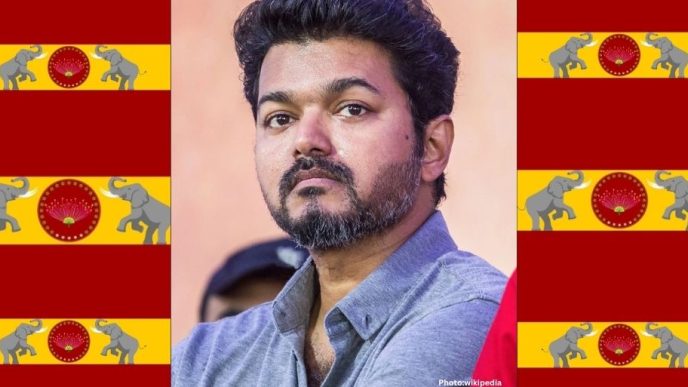
The Tamil Nadu Thalapathi Katchi (TVK), spearheaded by the acclaimed actor Vijay, is on the verge of securing a simple majority in the upcoming Tamil Nadu Assembly elections. Current projections indicate that TVK could attain approximately 118 seats, while the ruling Dravida Munnetra Kazhagam (DMK) alliance may drop to around 70 seats and the All India Anna Dravida Munnetra Kazhagam (AIADMK) is expected to secure only 51 seats. This potential transformation of political power in Tamil Nadu is not simply a byproduct of the current electoral climate but rather the result of a meticulously crafted strategy developed over several years.
Phase One: Transforming Fandom into Political Infrastructure
Vijay’s journey began with an extensive fan base that he successfully organized into local community units known as rasigar mandrams throughout Tamil Nadu. This grassroots network, initially established for film promotion, has evolved into structured welfare organizations engaging in various community services. These initiatives include blood donation camps, disaster relief efforts, and educational programs, reflecting a shift from sporadic gestures to a sustained presence in local communities. This foundational phase marked the transition of Vijay’s fandom into a platform for political engagement.
Phase Two: Testing the Waters in Local Elections
In 2021, Vijay strategically tested his political network by allowing members of his fan associations to run as independent candidates in local body elections. Without formally launching a political party or conducting a full-scale campaign, approximately 169 candidates contested, with 115 winning their seats. This success was a significant breakthrough, demonstrating the effectiveness of his network in managing candidate selection, booth operations, and voter mobilization without requiring a party symbol, thereby reshaping the political landscape in Tamil Nadu.
Phase Three: Refining Candidate Selection
As the 2026 elections approach, the focus has shifted from merely expanding the network to refining its components. The TVK has instituted a corporate-style candidate screening process that includes interviews and background checks. This new approach emphasizes organizational discipline over mere popularity, ensuring that individuals in key roles, such as ward in-charges and booth agents, are selected through a systematic evaluation process. This strategy allows the movement to maintain its emotional engagement with supporters while enhancing operational efficiency and effectiveness.
Phase Four: Symbolism and Cultural Resonance
A critical element of TVK’s campaign strategy is the introduction of the whistle symbol, which is designed for quick recognition and easy replication. This symbol has transcended its initial political branding, becoming a cultural motif as women across local neighborhoods began to draw whistle-shaped kolams outside their homes, effectively creating visible maps of support throughout the state. This grassroots mobilization, which incorporates both online and offline efforts, showcases the strategic utilization of local units that have historically organized film-related events, further cementing Vijay’s connection to the electorate.
Phase Five: A Robust Campaign Network
Behind the vibrant visuals of the campaign lies a well-established operational framework. Long-standing WhatsApp groups, initially formed for community engagement, have been repurposed as campaign channels. Volunteers are mobilized to manage logistics, including flag distribution, transportation, and daily outreach initiatives. This pre-existing network enables door-to-door campaigning without starting from scratch. At the helm, Vijay has centralized control through closed-door meetings with local leaders, ensuring that insights from booth-level operations inform campaign strategies while emphasizing key issues such as corruption, welfare, and youth engagement.
Phase Six: The Emergence of a Collective Identity
Throughout this multi-phase strategy, a distinct identity has emerged among Vijay’s supporters, often referred to as “Anil,” a term with historical roots in Tamil political discourse. Initially coined in a derogatory context by rival camps during the 2011 Tamil Nadu elections—when Vijay’s faction supported J. Jayalalithaa and the AIADMK—the term evokes the imagery of the squirrel from the Ramayana, which aided Lord Rama in constructing a bridge to Lanka. Over time, what began as mockery has evolved into a badge of honor for Vijay’s supporters, signifying their collective strength in pursuit of a larger victory.
As Tamil Nadu approaches its elections, the sophisticated and layered approach taken by Vijay and the TVK underscores a significant shift in the state’s traditional political landscape. If successful, the implications of this strategy could redefine not only political allegiances but also the manner in which local governance is approached in Tamil Nadu. This potential transformation poses questions about the future of established political parties and their ability to adapt to the evolving dynamics of voter engagement.