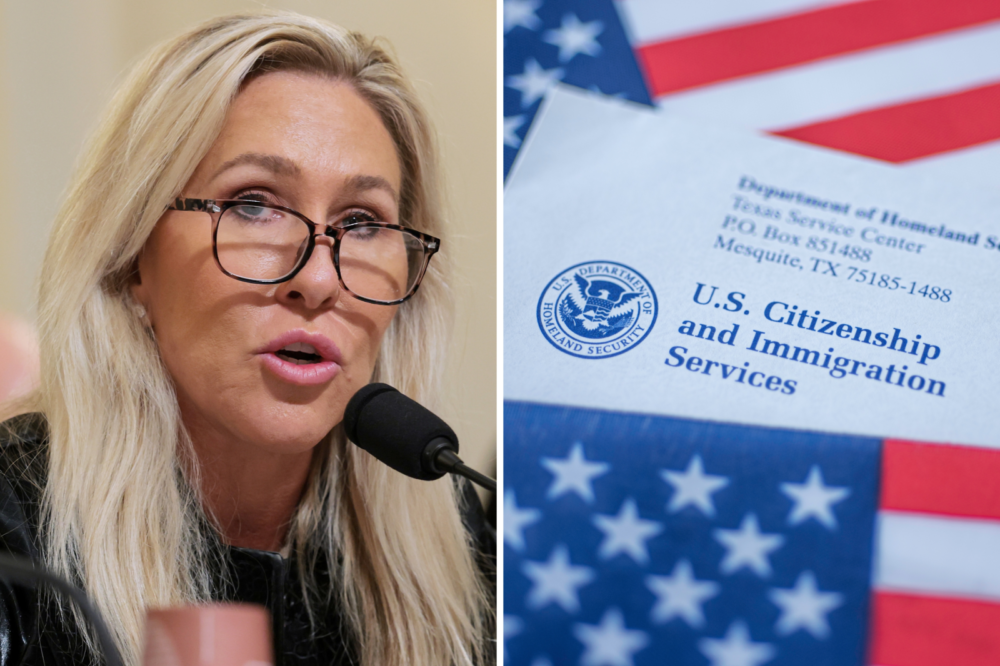
U.S. immigration authorities have issued a clarification regarding H-1B visa holders’ pathways to permanent residency, reversing long-established practices and potentially requiring many to leave the country for the green card application process.
The United States Citizenship and Immigration Services (USCIS) recently announced significant changes to the process by which H-1B visa holders can transition to permanent residency. This policy clarification, issued on a Friday, represents a departure from decades of immigration practices, which allowed many temporary visa holders to adjust their status while remaining in the U.S.
Zach Kahler, a spokesman for USCIS, explained in an email to Newsweek that the agency is reaffirming what it interprets as Congress’s original intent concerning the adjustment-of-status process. “People who present applications that provide an economic benefit or otherwise are in the national interest will likely be able to continue on their current path,” Kahler stated. He noted that others might be required to apply abroad, depending on their individual circumstances.
A Shift in the Green Card Pathway
Under the new guidance, the USCIS is reshaping the transition from temporary nonimmigrant status to permanent residency. Historically, this adjustment process was often a straightforward administrative procedure. However, USCIS now asserts that Congress did not intend for temporary visitors—including H-1B professionals, L-1 corporate transferees, and students—to automatically use their temporary stay as a stepping stone to permanent residency.
Instead, the agency is establishing consular processing abroad as the new default requirement, reserving domestic adjustment of status for exceptional cases only. Kahler emphasized this shift in an earlier press release, stating that “most nonimmigrants would now be expected to return to their home countries to complete the process.” He added, “We’re returning to the original intent of the law to ensure aliens navigate our nation’s immigration system properly.” This formal position marks a significant policy shift, indicating that temporary visa holders should not expect to adjust their status in the U.S. unless they meet very specific criteria.
Economic Implications and Operational Uncertainty
The implications of this policy change could be far-reaching. The determination of whether an applicant must depart the U.S. could hinge on whether their role meets the criteria of providing an “economic benefit” or serving the “national interest.” This consideration is particularly crucial for H-1B visa holders, who are integral to many sectors, including technology, engineering, research, finance, and healthcare.
The practical ramifications of this policy shift include:
- Extended Travel Risks: Many applicants come from countries that are already experiencing significant visa backlogs or travel restrictions. A mandatory departure from the U.S. could leave skilled professionals stranded abroad for extended periods.
- Human and Corporate Toll: Legal and industry experts warn that this policy could lead to increased family separations and operational challenges for American employers, who rely on the skills of H-1B workers.
- Lack of Regulatory Clarity: The immigration system currently lacks a clear timeline for implementation and lacks detailed criteria for determining who qualifies for the domestic processing exemptions.
Understanding the H-1B Visa
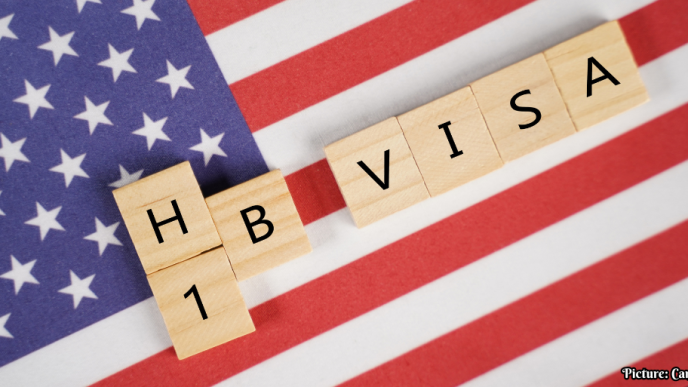
The H-1B visa is a nonimmigrant, employment-based visa that permits U.S. companies to hire foreign workers for specialty occupations, typically for a period of up to three years, with the possibility of extension to a maximum of six years in most cases. According to USCIS data, the program is governed by several structural parameters:
- Statutory Caps: The program is capped at 85,000 new visas per year, which includes 20,000 reserved for individuals holding U.S. master’s degrees or higher. The demand for these visas consistently exceeds supply, leading USCIS to implement a lottery system each spring.
- Educational Criteria: To qualify for an H-1B visa, the job must typically require a degree in a specific field, and the worker must possess that degree or an equivalent combination of education and experience.
- Employer Obligations: Employers seeking to hire H-1B workers must meet federal requirements, including offering a position that meets the specialty occupation standard and paying the prevailing wage for the area.
Key Takeaways
The recent policy shift by USCIS marks a significant change in the landscape for temporary visa holders seeking permanent residency in the U.S. The transition to consular processing as the default requirement could have profound implications for the H-1B visa program, as well as the individuals and companies that rely on it. With the potential for extended family separations and operational disruptions for U.S. businesses, the lack of clear criteria for exemption and a definitive timeline for implementation raises concerns among legal and immigration experts alike.